
Maase Inc. raises $50m PIPE to expand edge computing and LLM push
Maase Inc. (NASDAQ: MAAS), a China-based artificial intelligence infrastructure and digital-systems operator, has signed a securities purchase agreement to raise approximately $50 million through a private investment in public equity (PIPE) transaction. The company will issue 3,878,856 Class A ordinary shares at $12.89 per share to a single unnamed financial institution described as focused on AI infrastructure. Closing is expected in October 2026, subject to standard conditions, and the shares will be locked up for 36 months.
The investor's identity was not disclosed in the announcement, a departure from the norm for larger PIPE transactions, where named institutional backing typically serves as a market-confidence signal. The 36-month lock-up, however, is notably longer than the 6-to-12-month periods common in comparable deals, suggesting the investor intends to maintain a strategic rather than speculative position.
Use of proceeds
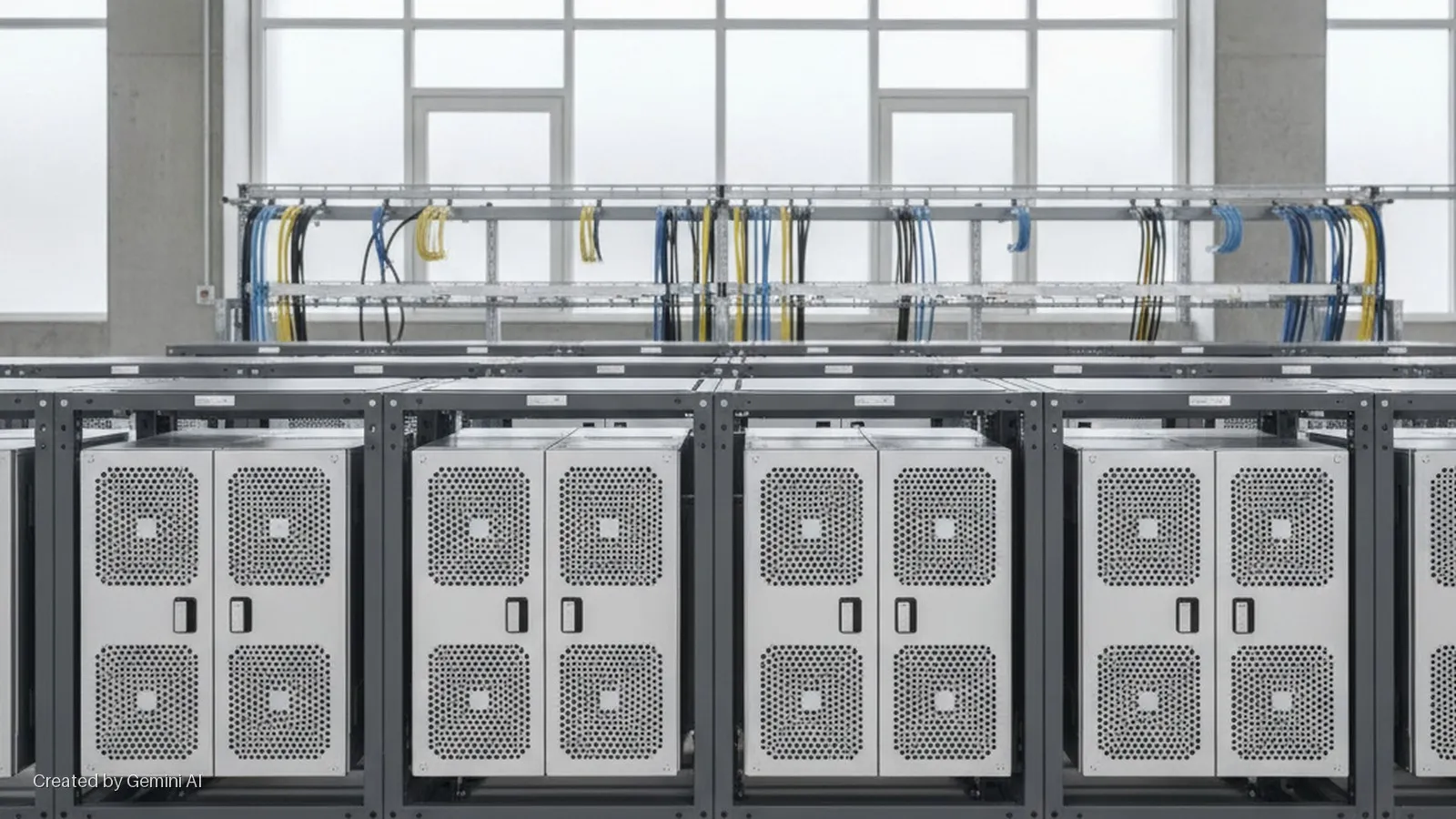
Maase has earmarked the bulk of the capital for two parallel programmes. The first is the expansion of its Star Distributed Intelligent Computing Centers, which the company describes as a network of containerised, modular edge computing nodes. Planned spending covers new node procurement and deployment, upgrades to a unified computing capacity-scheduling platform, and integration of green energy and energy-storage systems at those sites. The company says existing enterprise computing-services contracts are already in the fulfilment pipeline, and the additional capacity is intended to meet further demand.
The second priority is the research, development and commercialisation of Lingyanmiaoyu, or Lingyan, a Mixture-of-Experts large language model the company is positioning around AI security and privacy-preserving computing. Investment in this programme will cover enterprise private-deployment versions, a consumer-facing access portal, proprietary dataset construction, and a dedicated AI security laboratory. The company says the model will support AI token services and bespoke LLM customisation for enterprise clients.
Zhifeng Li, chief technology officer at Maase, said the financing "reflects the investor's recognition of the Company's strategic direction and business growth prospects," adding that the company intends to maintain disciplined capital allocation while pursuing the next stage of growth.
Market context
Maase's dual focus on edge computing infrastructure and proprietary LLM development places it in two intensely competitive segments simultaneously. In the edge-computing space, it competes with a growing field of modular, containerised compute providers targeting enterprises that cannot or will not route sensitive workloads through hyperscaler public clouds. The integration of on-site energy storage and green-power systems adds a differentiation angle that resonates with enterprise buyers facing rising power costs and ESG reporting obligations.
On the LLM side, the Mixture-of-Experts architecture is well-established among frontier model developers as a route to better inference efficiency relative to dense transformer models, but the field is crowded. Security-focused, privately-deployable LLMs are an emerging niche with genuine enterprise pull, particularly in regulated industries in China and markets sensitive to cross-border data transfer. Whether Maase can carve durable commercial ground against better-resourced domestic competitors will depend on the pace of enterprise customer wins rather than the technical roadmap alone.
Regulatory considerations
As a China-headquartered, NASDAQ-listed company, Maase operates across a complex dual regulatory environment. US SEC disclosure obligations apply to its PIPE mechanics, while China's increasingly active AI governance framework, including the Interim Measures for the Management of Generative AI Services that came into force in 2023, governs the deployment and content policies of its Lingyan model within the Chinese market. Enterprise customers evaluating the private-deployment version will likely scrutinise both the data-handling architecture and any licensing conditions attached to the underlying model weights.
The company has not disclosed revenue figures, existing contract volumes, or a commercialisation timeline for Lingyan in this announcement. Those metrics will be the near-term benchmarks investors and enterprise buyers watch most closely.