
Zeo Energy and Ewyze team up on off-grid AI data-centre power
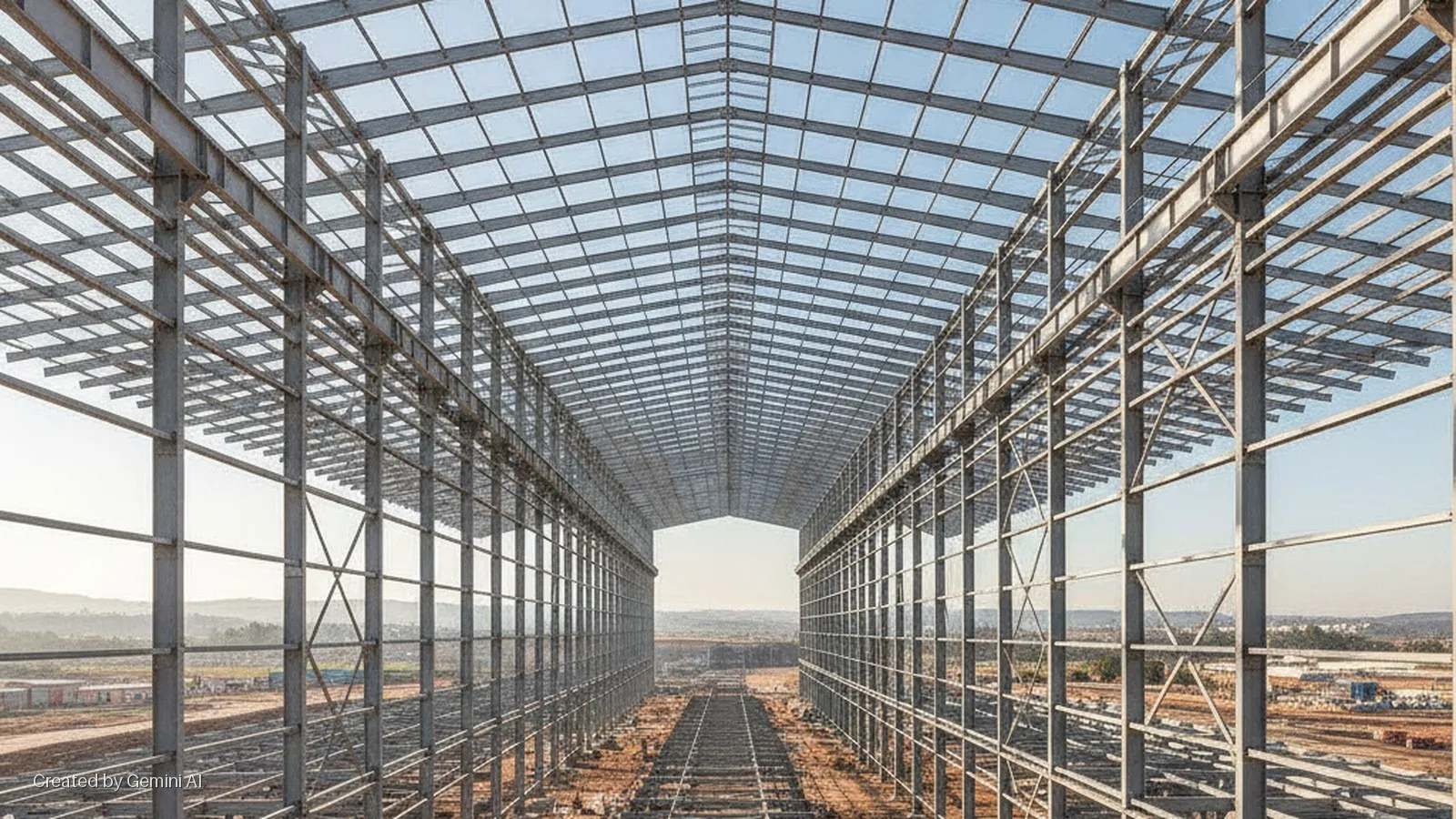
Zeo Energy Corp. (Nasdaq: ZEO) has entered into a cooperation agreement with Ewyze Corp. to jointly develop integrated off-grid power and data-centre infrastructure, the companies announced on 22 September 2026. The partnership is initially focused on the United States, with scope to extend into selected international markets where conditions are judged favourable.
Under the agreement, the two companies intend to collaborate across the full project lifecycle: site identification, land acquisition, permitting, engineering, construction, financing and commercialisation with data-centre operators and hyperscale customers. Zeo brings its public-market profile and existing strategic relationships; Ewyze contributes what the release describes as a proven renewable development track record, having developed approximately 1.7 GW of renewable power solutions across international markets over more than 18 years.
The integrated infrastructure model
Ewyze's model centres on co-locating dedicated off-grid microgrids with data-centre assets rather than waiting for grid-connection approvals. Each microgrid combines solar photovoltaic generation with battery energy storage and a dispatchable backup source, which may be a grid tie, natural gas, or geothermal power, to deliver continuous power capacity. The company says this approach can bring data-centre capacity online within roughly two to three years from project initiation, subject to land, permitting, financing and technical conditions, compared with interconnection queue times that can stretch five to ten years in many US regions.
Timothy Bridgewater, chief executive of Zeo Energy, said the partnership is "an important and strategic step in Zeo's evolution toward larger-scale renewable energy and power infrastructure opportunities," adding that Ewyze's integrated model "positions the partnership to address one of the most significant infrastructure bottlenecks of our time."
Svante Kumlin, chief executive of Ewyze, framed the challenge in stark terms: "The artificial intelligence revolution is fundamentally a power challenge. AI workloads demand vast amounts of reliable, cost-effective energy, and the existing grid simply cannot deliver it at the speed or scale the market requires."
Market context and competitive landscape
The agreement lands in a crowded and fast-moving segment. Hyperscalers including Microsoft, Google and Amazon have each announced multi-gigawatt power procurement programmes, while a wave of independent data-centre developers is racing to secure sites with direct power access outside congested grid queues. Off-grid and behind-the-meter approaches, combining renewables with long-duration storage or gas peakers, have gained traction precisely because US transmission and interconnection infrastructure has not kept pace with AI-driven demand growth.
Zeo's existing subsidiary Heliogen, a long-duration energy generation and storage business, gives the company some operational grounding in high-demand power applications, though the scale of integrated data-centre development envisaged with Ewyze would represent a material expansion of its activity. The release does not disclose any committed project sites, capital investment figures, target capacity in megawatts, or signed offtake agreements with data-centre customers, which means the partnership is at an early, pre-revenue stage.
Regulatory risk warrants attention. Off-grid projects that include a grid-connection option still require FERC and state-level approvals; projects using natural gas backup will face permitting scrutiny in states with aggressive carbon targets. The US Inflation Reduction Act's investment tax credits for standalone battery storage and solar remain supportive of the economics, but tariff uncertainty on imported solar modules and battery cells is a material cost variable.
The next near-term milestones investors and customers will watch for are named project sites, committed financing, and evidence of signed heads-of-terms with hyperscale or colocation tenants. Without those, the cooperation agreement is a statement of intent rather than a commercial programme.