
Locus Technologies adds AI photo capture to refrigerant tool
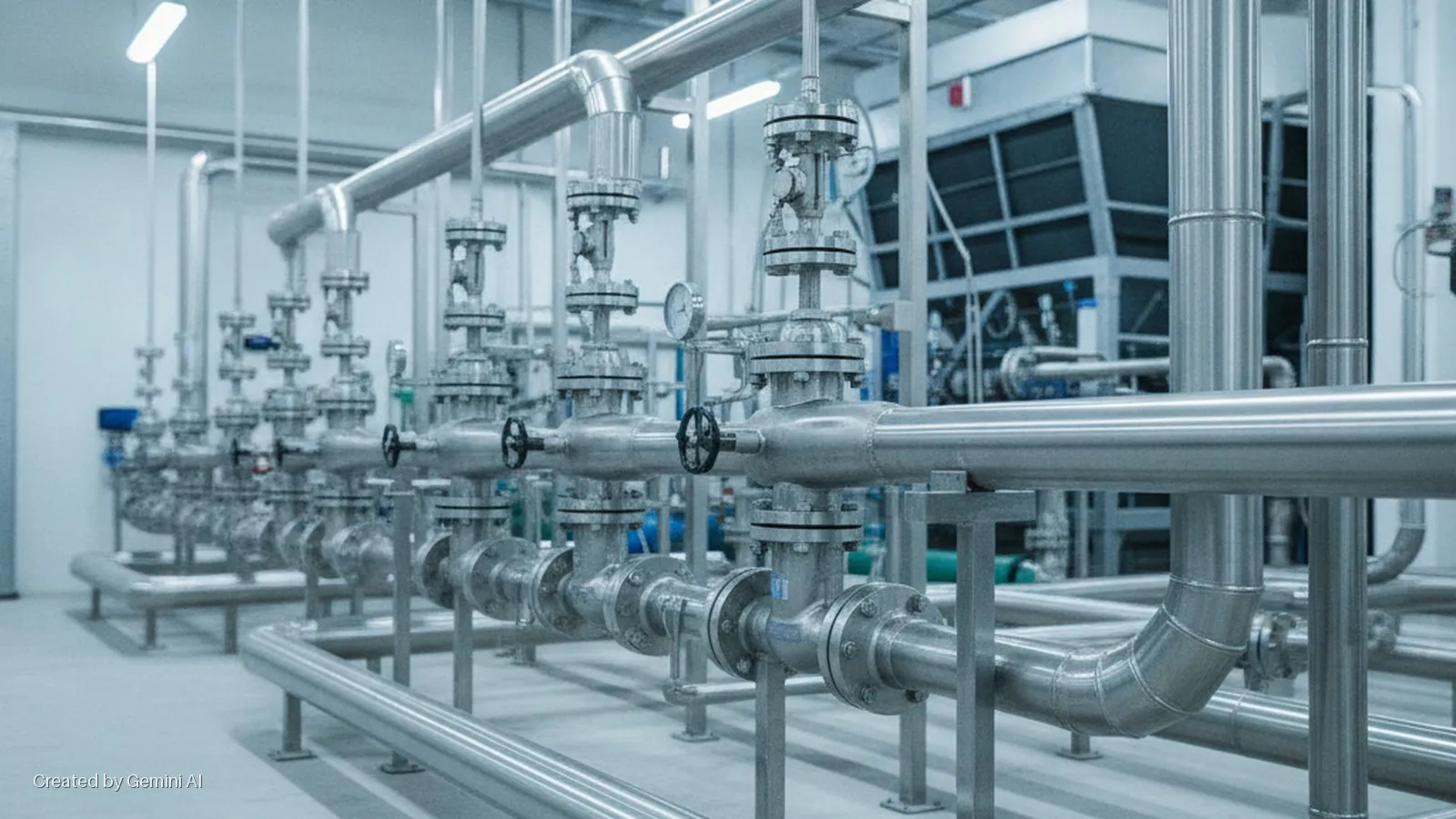
Locus Technologies has added a multimodal AI image interpretation capability to its Locus Refrigerant Management application, allowing field technicians to photograph equipment nameplates and printed service records and have the software extract and populate structured compliance fields automatically.
The Mountain View-based environmental health and safety (EHS) software vendor said the feature supports two primary workflows. In the first, a technician photographs an appliance nameplate; the system identifies relevant equipment data and maps values to the corresponding form fields. In the second, a photograph of a printed or handwritten service record is processed in the same way. Both workflows return a confidence score for each extracted value, with visual indicators to flag results that require human review before the record is saved.
Siena Duplan, VP of AI and Strategic Operations at Locus Technologies, said the goal was to make AI useful at the point of work. "A technician already standing in front of an appliance should be able to photograph the information that is there and have the software do most of the data entry," she said. "We can reduce repetitive work while still giving the professional clear visibility into what the AI interpreted and where their judgment is needed."
Architecture and model flexibility
The capability is built on a reusable Locus AI architecture that the company says can be adapted to other EHS use cases by changing the instructions sent to the underlying model and adjusting the expected structured output. Google Gemini is the initial model for the Refrigerant Management application, but Locus said customers can work with the company to evaluate alternatives or configure a model of their own choosing.
Duplan noted that a model-agnostic approach was a deliberate architectural decision. "Enterprise AI is moving too quickly for software architecture to assume that one model will always be best for every problem," she said. "We evaluate models against the task they are being asked to perform, then combine the selected model with structured outputs, application logic, confidence and quality scoring, and human review."
Locus did not disclose the number of customers currently using the Refrigerant Management product, nor did it provide benchmark data on extraction accuracy or processing speed.
Market context
EHS and environmental compliance software is a relatively mature but actively consolidating segment. A number of enterprise platform vendors, including dedicated EHS suites and broader GRC players, are racing to embed AI-assisted data capture as a differentiator. The use of multimodal models for document and label digitisation is an increasingly common pattern across regulated industries, from pharmaceutical batch records to construction site safety inspections.
For refrigerant management specifically, regulatory pressure is rising. In the United States, the EPA's Section 608 rules under the Clean Air Act mandate detailed record-keeping for refrigerant purchases, recovery, and service, with penalties for incomplete or inaccurate records. The EU's updated F-Gas Regulation similarly tightens reporting requirements as part of its phase-down schedule for high-GWP refrigerants. Accurate, audit-ready digital records are therefore not a convenience but a compliance obligation, which strengthens the business case for AI-assisted data capture at the equipment level.
Locus said it plans to extend the photo interpretation framework to additional applications across its environmental software portfolio. The company previously launched a LocusAI Report Agent for Environmental Information Management earlier in 2026 and has been expanding its AI development resources. Founded in 1997, Locus describes itself as the longest-serving pure-play SaaS provider in the EHS sector.