
Sio Silica and Arctic Gateway sign MOU for Churchill silica exports
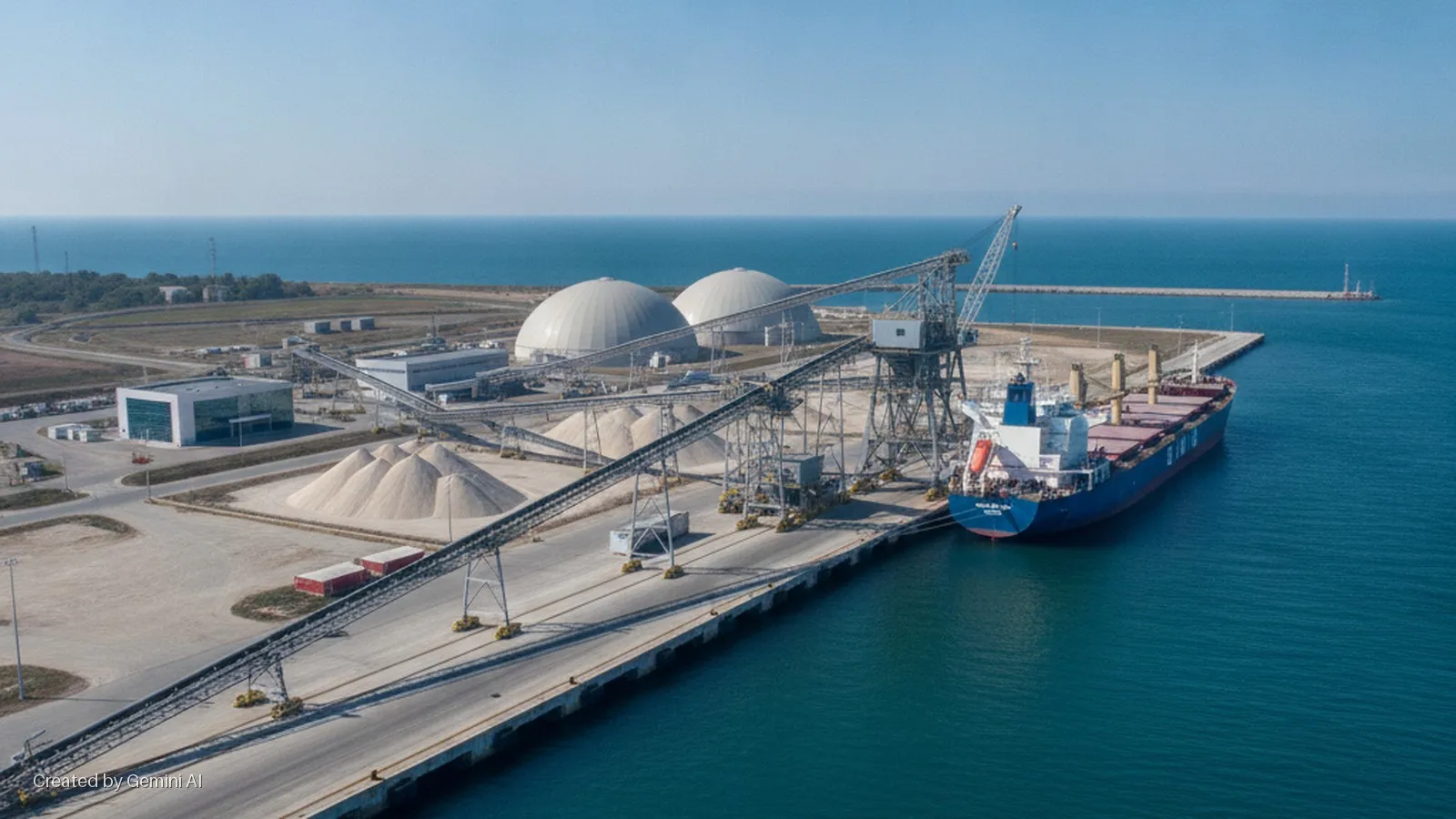
Sio Silica Corporation and Arctic Gateway Group (AGG) have signed a memorandum of understanding to jointly plan export infrastructure at the Port of Churchill in northern Manitoba, targeting shipments of high-purity quartz to European buyers. The agreement is non-binding but sets out a framework for what could become a significant private-sector investment in Canada's Arctic trade corridor.
Under the proposed scheme, Sio Silica would invest between $110 million and $124 million in new port infrastructure, encompassing enclosed storage domes, rail unloading systems, conveyor equipment, ship-loading facilities, utility upgrades, and a super-sack bagging facility. Sio has already secured a long-term offtake agreement with RCT Solutions in Germany, which the company says would support roughly four vessels per year through Churchill once operations begin. A timeline for construction and first shipment has not been disclosed; Sio is still working through an environmental review process.
Feisal Somji, chief executive of Sio Silica, described the deal as an opportunity for Canada and Manitoba to lead in the global critical minerals economy, adding that the partnership demonstrates what Arctic trade corridor development can look like in practice, with "Manitoba resources, infrastructure, jobs and Indigenous partnership, supporting global supply chain security."
Strategic context
High-purity quartz, also known as high-purity silica or HPQ, is a relatively narrow but strategically significant material. It sits upstream of several technology supply chains: crucibles for silicon-wafer production, fibre-optic preforms, photovoltaic cell manufacturing, and certain advanced defence optics all depend on consistent, contamination-free feedstock. As Western governments accelerate efforts to diversify supply away from a small number of incumbent producers, Canadian deposits have attracted growing interest from both private developers and allied government procurement bodies.
AGG is an Indigenous and community-owned entity that operates the Port of Churchill, the Hudson Bay Railway, and the Churchill Marine Tank Farm. The organisation has positioned the port as a year-round gateway connecting Canadian resources to Atlantic shipping lanes, though the facility's operating season and ice conditions remain logistical constraints that any commercial tenant must accommodate. Chris Avery, president and chief executive of AGG, noted that the MOU allows both parties to begin planning infrastructure and logistics requirements "while Sio Silica continues its environmental review processes."
Supply-chain and regulatory read-across
The announcement lands against a backdrop of intensifying critical-minerals policy on both sides of the Atlantic. The European Union's Critical Raw Materials Act, which entered into force in 2024, sets a target of sourcing at least 10 per cent of the EU's annual consumption of strategic raw materials from domestic extraction and reducing dependence on any single third country to below 65 per cent of supply. High-purity quartz is listed among the strategic materials covered. Canadian producers stand to benefit from the EU's preference for allied-nation suppliers, and the Canada-EU Comprehensive Economic and Trade Agreement (CETA) removes most tariff friction on mineral exports.
From a semiconductor-supply-chain perspective, the downstream relevance is real but indirect. Wafer-grade quartz crucibles are a consumable input in silicon-crystal growing; disruptions to HPQ supply have previously caused production bottlenecks at fabs. The MOU does not specify which end-use markets RCT Solutions in Germany intends to serve, and Sio has not disclosed the contracted volumes or pricing terms of the offtake agreement.
The project would also generate an estimated 20 permanent jobs in Churchill during operations, alongside hundreds of construction and mining roles, according to the companies. Sio describes the Phase 1 infrastructure as scalable and capable of supporting larger volumes and additional commodities over time, though no further phases have been announced.