
Fitch: AI data centre boom complicates Australia's energy shift
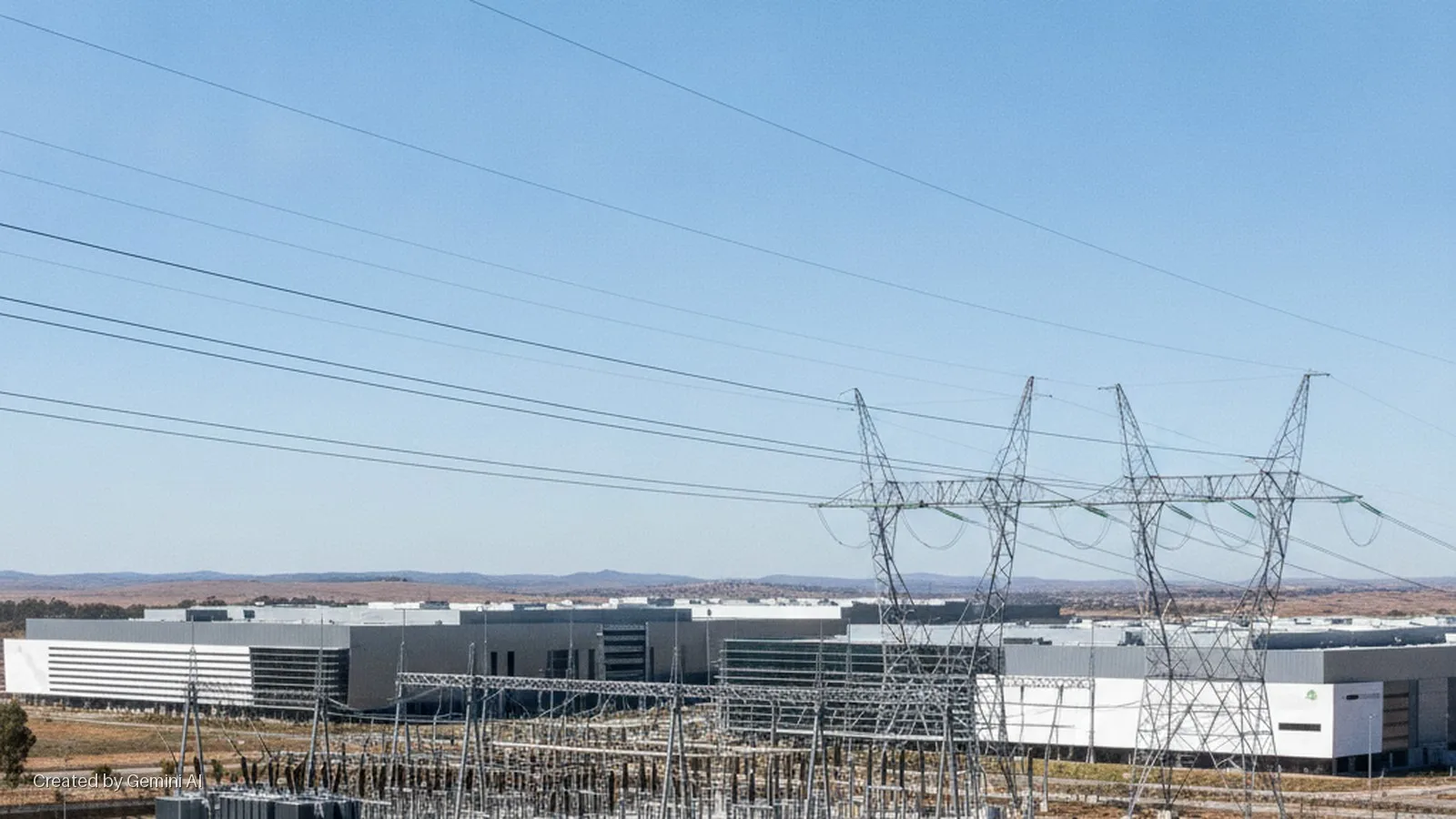
Australia's fast-expanding data centre sector is creating fresh tension with the country's energy transition, according to a Fitch Ratings commentary published on 26 May 2026. The credit rating agency says rising electricity demand from cloud migration and AI workloads is intensifying pressure on a power system already navigating a complex shift away from fossil fuels.
Fitch cites Australia's national electricity market as the central pressure point. Federal and state governments have established incentive schemes to promote renewable generation, storage and transmission investment, but the agency says the pace of deployment would need to accelerate for legislated emission-reduction and renewable-energy targets to be met. Transmission bottlenecks and permitting delays are identified as the primary structural obstacles, even as rooftop solar uptake and broader renewable investment have recorded strong growth.
Demand projections and grid stress
The scale of the demand challenge is quantified in the Australian Energy Market Operator's Draft 2026 Integrated System Plan, which Fitch references in its commentary. AEMO forecasts that business and industry grid consumption will rise to 253TWh by 2050, up from 133TWh today. Data centres supporting AI and cloud services are projected to account for 29TWh of that increase, a figure that underscores the sector's growing footprint on national generation and transmission capacity.
AI workloads are identified as significantly more power-intensive than conventional cloud services, requiring higher rack densities, advanced cooling systems and low-latency connectivity. Fitch expects AI to represent a rising share of future capacity additions, even as traditional cloud services remain the largest demand category overall. The convergence of these factors increases competition for grid access, renewable energy supply and capital, all of which are already under pressure from the broader energy transition programme.
Financing structures and market positioning
Fitch's commentary draws a distinction between the risks and opportunities the data centre build-out creates for different parts of the market. For utilities, stronger demand from hyperscale operators could support investment in new renewable generation, storage and transmission assets. Long-term power purchase agreements may improve revenue visibility for renewable and battery projects, helping to accelerate deployment. However, Fitch cautions that the credit benefits for utilities will depend on whether regulatory frameworks allow efficient and timely cost recovery for grid upgrades required to accommodate large new loads.
For data centre developers, Fitch notes that construction risk remains relatively low compared with other infrastructure asset classes, given shorter build schedules and limited technical complexity. Pre-leasing practices, where sponsors secure land before commencing construction on receipt of a tenant commitment, continue to provide demand visibility. In primary markets, future expansion potential is described as largely a function of secured land, power availability and regulatory approvals. Growing barriers to entry in top-tier locations are already pushing new developments towards secondary markets where power, water and land constraints are less acute.
Looking further ahead, Fitch expects future projects to require sponsors to fund infrastructure well beyond buildings and fittings, potentially including transmission upgrades, firming capacity, renewable procurement and water infrastructure linked to cooling requirements. These additional cost burdens may drive more diverse funding structures. The agency anticipates that Australian data centre financing will broaden to encompass senior debt, asset-backed lending, project financing, green financing and private credit. Larger platforms with established lender relationships and a demonstrated track record of securing power at scale are positioned as better placed to navigate these conditions.
Regulatory and competitive read-across
Australia is not alone in grappling with this dynamic. Similar grid-pressure debates are active in the United States, Ireland, the Netherlands and Singapore, where regulators and grid operators have imposed moratoria or tightened connection requirements for large digital loads. The Australian Energy Regulator and AEMO will face increasing pressure to develop transparent frameworks for allocating grid access and recovering network upgrade costs, particularly as hyperscale operators compete for a constrained pool of renewable energy certificates to meet their own net-zero commitments. How that regulatory framework evolves will materially affect the relative attractiveness of Australian data centre assets to international capital.