
GlobalFoundries and MPS partner to scale power chips in Singapore
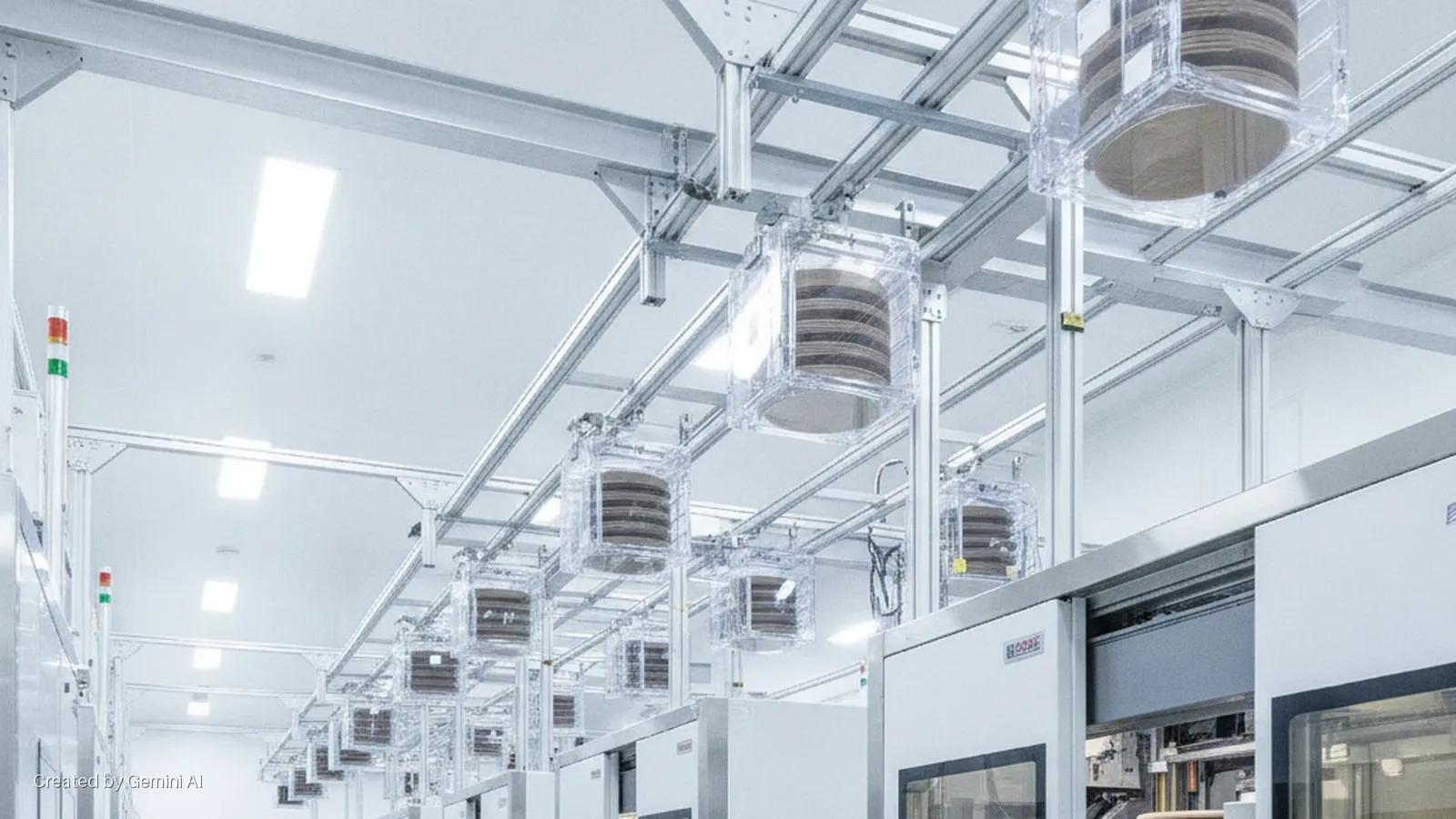
GlobalFoundries (GF) and Monolithic Power Systems (MPS) have signed a long-term manufacturing agreement that will deploy MPS's proprietary process technology inside GF's 300mm fabrication facility in Singapore. Both companies said they expect the collaboration to expand production capacity for power management chips across several high-growth end markets from early 2027.
MPS is a fabless semiconductor company whose products cover power delivery for data centres, automotive platforms, industrial robotics and consumer electronics. By licensing its process technology to GF's Singapore site, MPS gains additional wafer capacity without building its own fab; GF gains a differentiated technology node to attract and retain a major fabless customer.
The deal
Products slated for the Singapore facility include next-generation automotive power architectures, smart power stages for AI servers and cloud infrastructure, and components for industrial automation. Neither company disclosed financial terms, minimum volume commitments, or the specific process node being transferred.
Deming Xiao, executive vice president of global operations at MPS, said the arrangement would "deliver global scale with local support, and uncompromising power performance." Pradip Singh, chief manufacturing officer at GF, framed the agreement as evidence of GF's ability to take customer-owned technologies into high-volume production, noting that "performance and reliability define competitive advantage" in the target markets.
Market context
The agreement reflects two converging pressures in the power semiconductor supply chain. First, AI server buildouts have dramatically increased demand for high-efficiency voltage regulators and smart power stages; hyperscalers and their ODM partners have been signalling multi-year procurement commitments that strain existing foundry capacity. Second, automotive electrification continues to pull in dedicated power-management silicon with stringent reliability and longevity requirements, creating a sustained premium on proven, qualified manufacturing lines.
GF occupies a distinct position in the foundry landscape. Unlike TSMC or Samsung, which compete primarily on leading-edge logic nodes, GF focuses on differentiated, feature-rich processes in the 12nm-and-above range, where power management, RF, and embedded non-volatile memory applications cluster. That positioning makes it a natural partner for fabless power vendors that need specialised process capability rather than raw transistor density.
MPS sits in a competitive segment alongside Texas Instruments, Infineon, and a number of well-funded fabless challengers. Its proprietary process technology is a core differentiator; licensing that technology to a third-party foundry is an unusual move that carries both opportunity and risk. Supply diversification benefits are clear, but the arrangement requires careful IP management and process-qualification discipline to maintain product consistency.
Regulatory and supply-chain read-across
Singapore's role as a manufacturing hub for both companies carries geopolitical weight. US export-control policy, administered by the Commerce Department's Bureau of Industry and Security, has tightened restrictions on advanced semiconductor equipment and technology flows in recent years. Both GF and MPS will need to ensure the process technology transfer complies with applicable controls, particularly given MPS's fabless model and global customer base. GF's Singapore facility already serves a broad range of automotive and industrial customers, providing an existing compliance and quality framework on which the new partnership can build.
The two companies said they will provide further detail on product availability timelines as the programme ramps toward its early-2027 target date.