
Applied Digital signs 210 MW lease at Delta Forge 2 for fifth AI campus
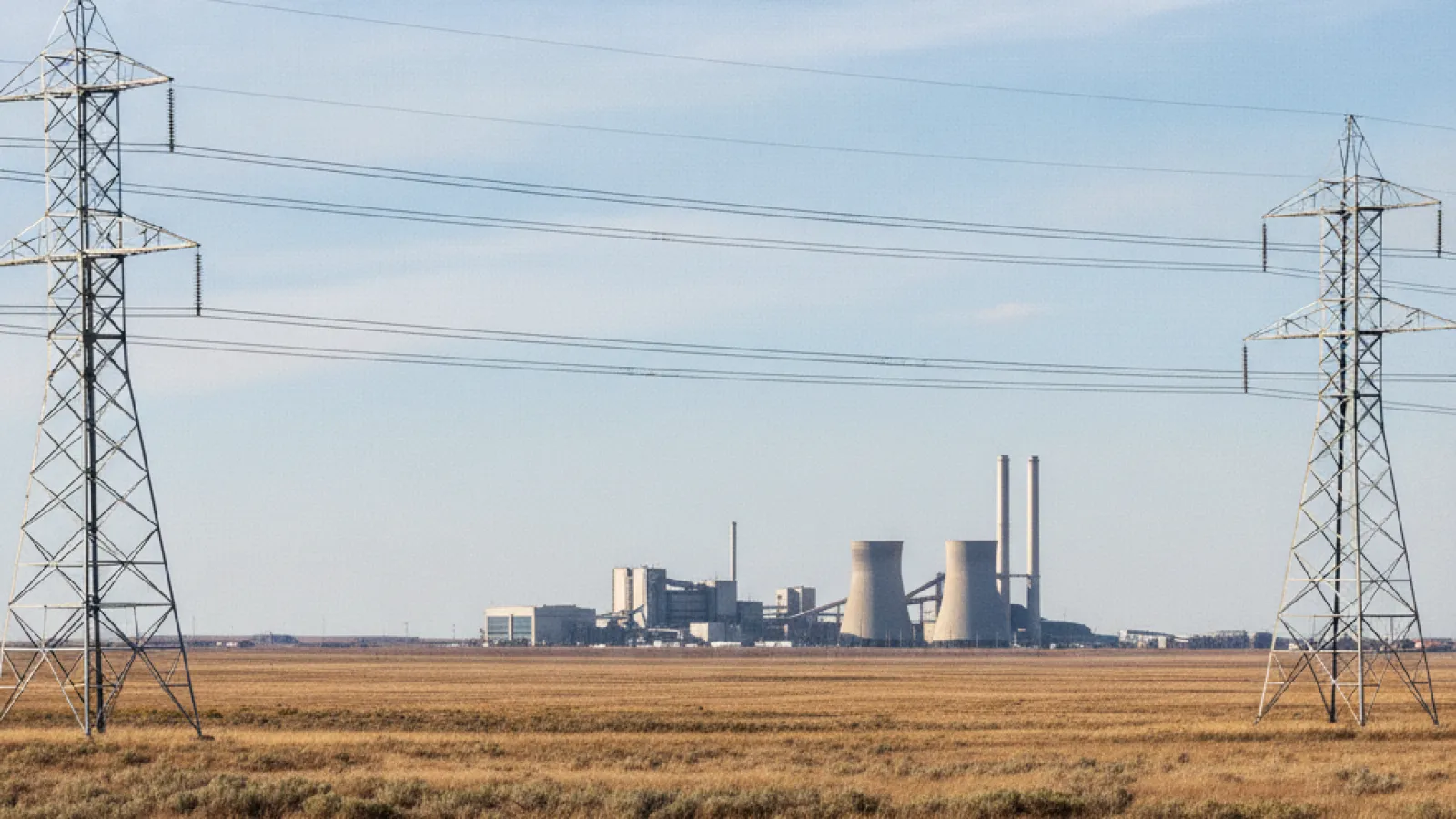
Applied Digital (NASDAQ: APLD) has signed a long-term lease at Delta Forge 2, a purpose-built AI Factory campus in an undisclosed southern US state, adding 210 MW of critical IT load to its growing portfolio. The agreement is with a US-based investment-grade hyperscaler — the company's third long-term deal with the same unnamed tenant — and marks Applied Digital's fifth AI Factory campus overall.
The 15-year take-or-pay structure carries approximately $5.2 billion in base-term contracted revenue, rising to roughly $12.7 billion if all renewal options are exercised over a 30-year total term. Initial operations at Delta Forge 2 are anticipated to commence in Q1 2028, with the campus incorporating Applied Digital's proprietary waterless cooling technology and high-density power infrastructure designed for large-scale AI training and inference workloads.
The deal in numbers
Across its five AI Factory campuses, Applied Digital now reports approximately $36 billion in total contracted base-term lease revenue, or $86 billion including all renewal options. The portfolio spans 1.4 GW of critical IT load and roughly 2.15 GW of gross grid-connected utility power. Approximately 70% of contracted revenue is backed by US-based investment-grade hyperscalers, a concentration the company positions as a credit-quality argument rather than a customer-diversification risk.
Chairman and chief executive Wes Cummins described the company's approach as a deliberate franchise model. "Two years ago, we made a deliberate decision to build a company that scales, not just builds data centres," he said. "A core team of design, construction, and operations professionals replicated across every campus, in every market. Continued demand from leading hyperscalers across five campuses is strong validation of our model."
Applied Digital did not name the hyperscaler tenant, the specific southern state for Delta Forge 2, or the exact site location, citing what is standard practice for deals of this nature ahead of formal planning and permitting.
Market context
The announcement lands as hyperscaler capital expenditure on AI infrastructure continues at a pace that has outstripped available colocation supply in the US. The demand-supply imbalance has been a key driver of long-tenor, take-or-pay deal structures — arrangements that transfer construction and financing risk to the operator in exchange for contracted revenue certainty. Applied Digital's franchise model, which standardises site design and operations playbooks across geographies, is one of several capital-light-adjacent strategies being pursued by specialist data-centre developers; competitors including Iron Mountain, DataBank, and a cohort of private-equity-backed greenfield operators are pursuing similar hyperscaler anchor-tenant strategies.
Power availability and grid interconnection remain the principal constraint on new AI campus development in the US. Applied Digital's stated preference for underserved communities — where large-scale infrastructure investment offers meaningful local economic impact — also reflects a site-selection calculus driven partly by where grid capacity and political will to fast-track interconnection agreements are most readily available. The company's waterless cooling claim is noteworthy given that water consumption is an increasingly scrutinised sustainability metric for data centres, though the release provides no third-party certification or quantified PUE figures to support the broader efficiency positioning.
Regulatory and financial read-across
Applied Digital includes a standard forward-looking-statement disclaimer noting that renewal options may not be exercised — a material caveat when headline revenue figures extend to $86 billion over 30 years. Investors will weigh the base-term contracted revenue of $36 billion as the more conservative underwriting figure. The company will also need to continue raising project finance to fund campus construction, a dependency flagged explicitly in its SEC filings and reiterated in the release's risk factors.
The scale of contracted revenue — if delivered — would represent a significant de-risking of the company's balance sheet. Near-term milestones to watch include the formal site announcement for Delta Forge 2, any named tenant disclosure, and progress on construction financing for the campus ahead of the Q1 2028 operational target.