
Quantinuum, Rolls-Royce and Riverlane target quantum fluid dynamics
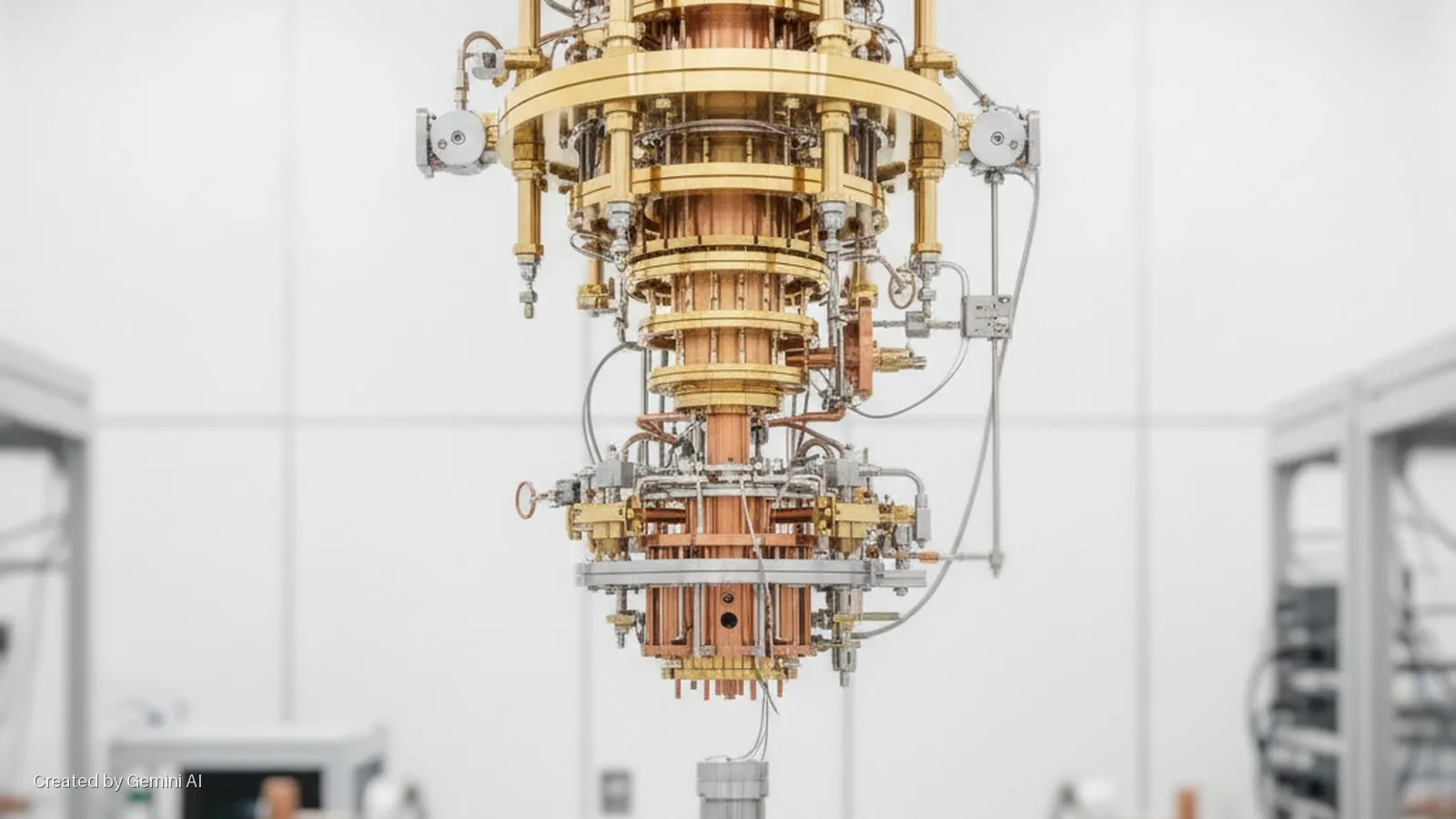
Quantinuum, Rolls-Royce, Riverlane and EPCC, the UK National Supercomputing Centre at the University of Edinburgh, have signed a multi-year collaboration agreement to explore how fault-tolerant quantum computers could accelerate industrial fluid dynamics simulations, with gas turbine design as the lead use case.
Under the arrangement, Quantinuum provides access to its Helios trapped-ion quantum system and associated software environment. Rolls-Royce contributes industrial design use cases and domain knowledge. Riverlane brings quantum error correction and algorithmic expertise. EPCC adds high-performance computing capability and the hybrid workflow integration needed to connect quantum and classical resources across pre- and post-processing stages.
The technical challenge
Complex fluid dynamics simulations are computationally intensive, and the compute demands scale sharply as models become more detailed. Classical supercomputers can struggle with the full fidelity required for next-generation gas turbine design. The consortium will test key algorithmic building blocks on Helios, which Quantinuum says currently supports 98 physical qubits, and assess how those building blocks could scale onto its planned future systems, named Sol and Apollo.
Leigh Lapworth, Fellow in Computational Science at Rolls-Royce, noted that Rolls-Royce and Riverlane have spent almost five years developing and testing algorithms using classical emulators in collaboration with EPCC. "Applications development is a multi-year activity and if we want to be in a position to benefit from teraQuOp devices, we have to start now, co-developing the algorithms, hardware and software," he said.
The "teraQuOp" milestone refers to the UK Government's quantum computing mission target: a UK-based quantum system capable of one trillion error-free operations. The collaboration is explicitly framed as supporting that national goal and reflects a broader policy emphasis on moving the UK quantum ecosystem from foundational research toward industrially deployable hybrid applications.
Market and regulatory context
This agreement arrives at a moment when the industrial quantum sector is shifting emphasis from qubit count toward error correction and practical hybrid workflows. Competitors including IBM, IonQ and Quantinuum itself have each released roadmaps describing progressively fault-tolerant systems, but enterprise customers remain watchful for demonstrated performance on domain-specific workloads rather than synthetic benchmarks.
For aerospace and energy applications, quantum simulation sits alongside a cluster of adjacent compute priorities: climate modelling, materials discovery, and the optimisation problems common in supply-chain and propulsion engineering. Rolls-Royce's involvement is notable because large industrial companies have historically been cautious participants in early-stage quantum programmes, preferring to wait for hardware maturity.
The UK regulatory and funding environment supports this kind of consortium structure. The National Quantum Strategy committed £2.5 billion of public investment over ten years from 2023, and collaborative projects linking university supercomputing centres with commercial hardware vendors and industrial end-users are a preferred model for Innovate UK and EPSRC funding bodies, even where the partners have not disclosed whether public funding is involved here.
EPCC's Oliver Thomson Brown, who leads the university's quantum group, emphasised that quantum computing will deliver most value when it is embedded in wider computing environments, noting that EPCC has been pursuing hybrid HPC and quantum integration since his appointment as a Chancellor's Fellow in 2023.
The consortium has not disclosed financial terms, a defined research budget, or a target date for publishing results. Investors and industrial observers will look for early benchmark data and named sub-milestones as the programme progresses toward the teraQuOp-scale ambitions underpinning the UK's national quantum mission.