
K-Tech and Aurora begin 5 MW Alberta data centre proof-of-concept
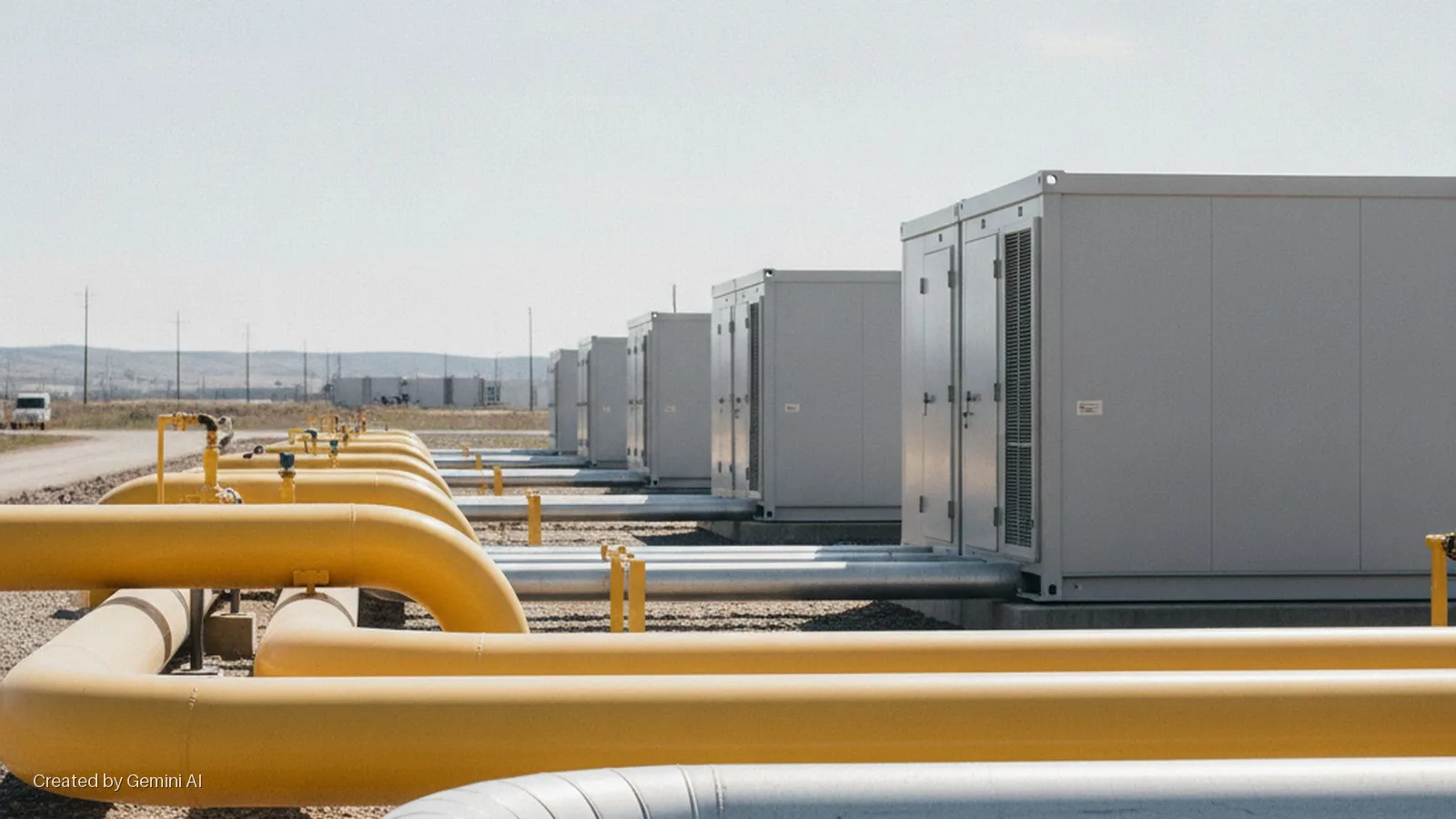
K-Tech Solutions (Nasdaq: KMRK) and Calgary-based Aurora AZ Energy have confirmed that construction is under way on the first 5 MW phase of a joint venture data centre in Alberta, Canada. The two companies said onsite technical testing has also commenced, with the goal of validating the integration of Aurora's wellhead-sourced natural gas power supply with K-Tech's high-density computing systems.
The 5 MW build is described by the partners as a proof-of-concept for a larger 100 MW flagship deployment, itself the opening phase of an agreed framework to deploy up to 500 MW of IT capacity over time. Testing is focused on power efficiency, environmental compliance, and the cost profile of drawing electricity directly from a natural gas wellhead rather than connecting to a conventional grid supply.
An unusual pairing
The partnership is notable for the distance between K-Tech's core business and its new data-centre ambitions. The Nasdaq-listed company is principally a toy-products firm, engaged in design, development and sale of plastic and electromechanical toys, with a particular focus on infant and pre-school educational products. Its customers are predominantly European and North American brands. The company has not disclosed how it intends to fund or operate large-scale computing infrastructure, nor which customers or workloads the Alberta facility is intended to serve.
Aurora, incorporated in Canada in 2023, is positioned as an energy infrastructure company converting wellhead gas into power for high-density computing applications including AI and high-performance computing workloads. The wellhead-power model has attracted interest across North America as a way to monetise stranded or flared gas and sidestep constrained grid capacity, though it also draws scrutiny from emissions regulators given ongoing methane and CO2 concerns.
Market and regulatory context
The Alberta data centre market has seen growing interest from AI-workload operators attracted by relatively low land costs and existing energy infrastructure, though the province's electricity grid is under increasing pressure and the provincial regulator has been reviewing large industrial power connections. Wellhead gas projects sit in a regulatory grey zone: they may reduce flaring emissions compared with doing nothing, but they do not align neatly with net-zero commitments adopted by a growing number of hyperscaler and colocation operators.
More broadly, the model of a small-cap company pivoting into AI infrastructure has become a recurring pattern on US exchanges since 2023, and investors have grown more sceptical of announcements that lack named customers, committed capital, or third-party offtake agreements. The release contains none of those elements. The joint venture partners have not disclosed the total capital committed to the 5 MW phase, the timeline to completion, or any indication of who will consume the compute capacity once operational.
The companies said the current testing phase is designed to optimise power efficiency and verify cost-efficiencies before scaling to broader data centre environments. Independent verification of those efficiency claims has not been provided. Investors and prospective tenants will be watching for a named anchor customer and published power-usage effectiveness figures as the next meaningful milestones in a project whose ambitions significantly outpace its disclosed foundations.