
GL Communications launches 400 Gbps duplex packet capture platform
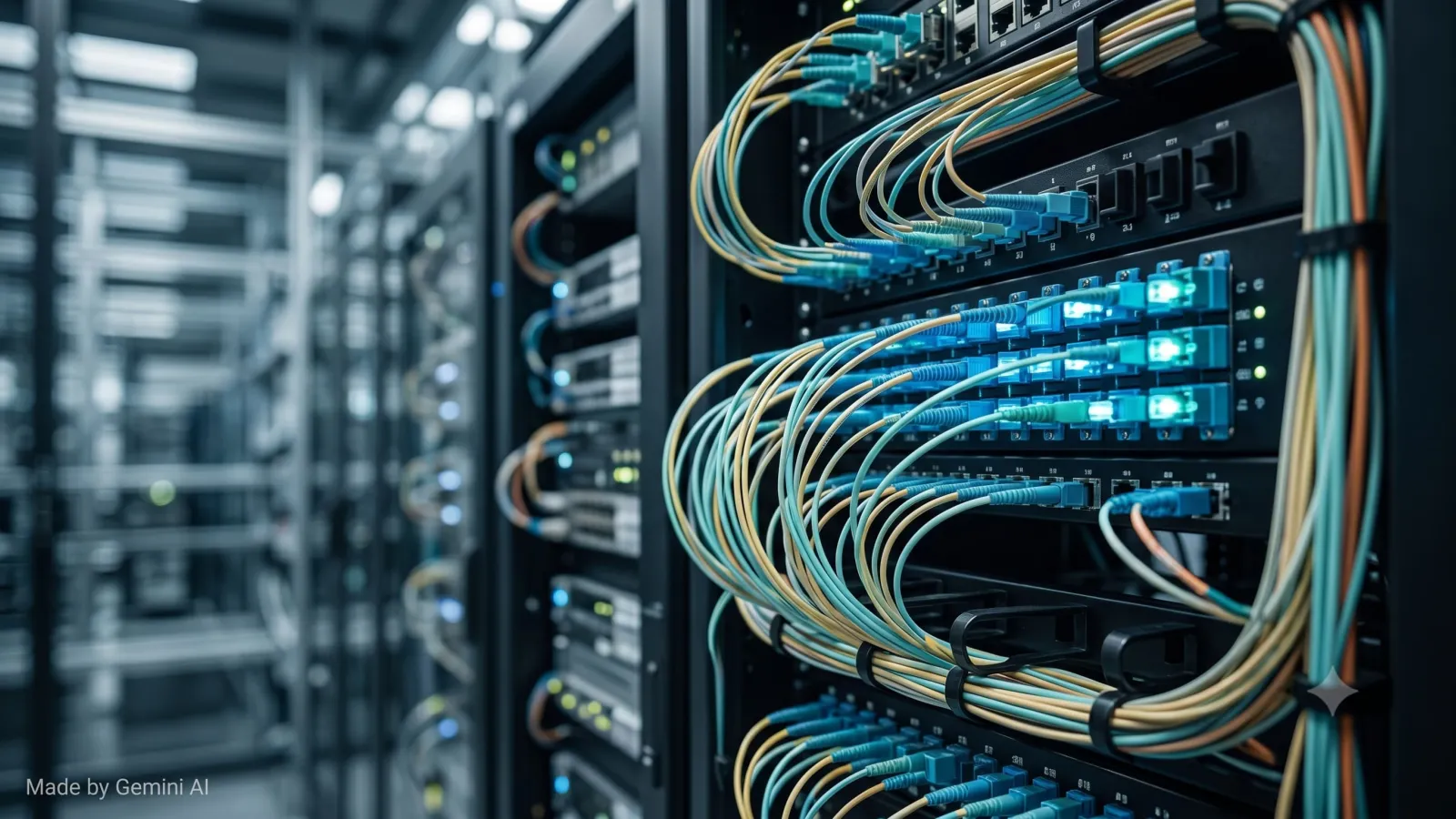
GL Communications has released a duplex 400 Gbps packet capture and extraction solution aimed at network engineers managing ultra-high-speed Ethernet and IP infrastructure. The Gaithersburg, Maryland-based test and measurement vendor says its FastRecorder and PacketExtractor platform can sustain full-duplex capture across two 400 Gbps links simultaneously — 800 Gbps aggregate — without dropping packets, and record at rates of up to 6 TB per minute.
The product targets operational teams in AI infrastructure deployments, hyperscale data centres, cloud environments and telecom backbone networks that have migrated to 400G Ethernet and need continuous packet visibility for performance monitoring, troubleshooting, cybersecurity investigations and regulatory compliance. Vikram Kulkarni, Sales Director at GL Communications, described the platform as "a versatile tactical recording device for a variety of civilian and defence-related use cases."
Technical specifications
The FastRecorder platform is built on SmartNIC acceleration hardware paired with an optimised NVMe storage architecture, enabling recording sessions lasting anywhere from days to months. The system supports event-triggered and circular recording modes, nanosecond-precision timestamping, and multi-port traffic merging with synchronised timestamps. Hardware-assisted filtering operates across Layer 2 through Layer 4, covering MAC addresses, VLAN tags, IPv4/IPv6, tunnel traffic, TCP and UDP parameters — allowing engineers to isolate relevant sessions from high-volume streams before committing them to storage.
A browser-based dashboard provides real-time visibility into capture rates, throughput, link utilisation, frame statistics and dropped-packet counts. The Linux-based platform supports centralised remote management, multi-user access and REST API integration for deployment across enterprise and service-provider environments.
The companion PacketExtractor tool processes recorded datasets offline, extracting specific packets, sessions or protocol flows into PCAP and PCAPNG formats. Extracted traces can be fed into GL's own PacketScan HD appliance or into Wireshark for further protocol-level analysis.
Market context
The 400G capture market sits at the intersection of network observability, cybersecurity forensics and regulatory compliance tooling — three categories that have all seen elevated enterprise spending in recent years. Legacy 10G and 40G capture appliances are rapidly becoming inadequate as AI training clusters and hyperscale interconnects adopt 400G and 800G Ethernet as their standard fabric; analyst estimates consistently point to 400G optics and switching overtaking 100G as the dominant data-centre speed class by 2027.
GL Communications competes in this space against a range of specialist vendors offering high-speed packet brokers and capture appliances, as well as SmartNIC-centric software platforms from companies targeting the same network visibility gap. The defensibility of a hardware-appliance approach in this market is a live question: several software-defined capture frameworks have demonstrated line-rate capture on commodity NVMe servers, which could compress margins for purpose-built appliance vendors over the medium term.
From a compliance angle, organisations subject to NIS2 in Europe or DORA in financial services are under increasing obligation to demonstrate network monitoring and incident-response capability, which creates a pull-through demand for tools capable of high-fidelity packet recording. Defence and government buyers — a segment GL explicitly names — typically require on-premises, air-gapped capture with chain-of-custody audit trails, criteria that tend to favour dedicated appliances over cloud-native alternatives.
GL Communications has not disclosed pricing, named any reference customers, or indicated channel partnerships for the new platform. The company did not share independent benchmark results, and performance figures cited in the release are vendor-stated.