
Microchip's Nantes plant wins QML Class Y certification for aerospace
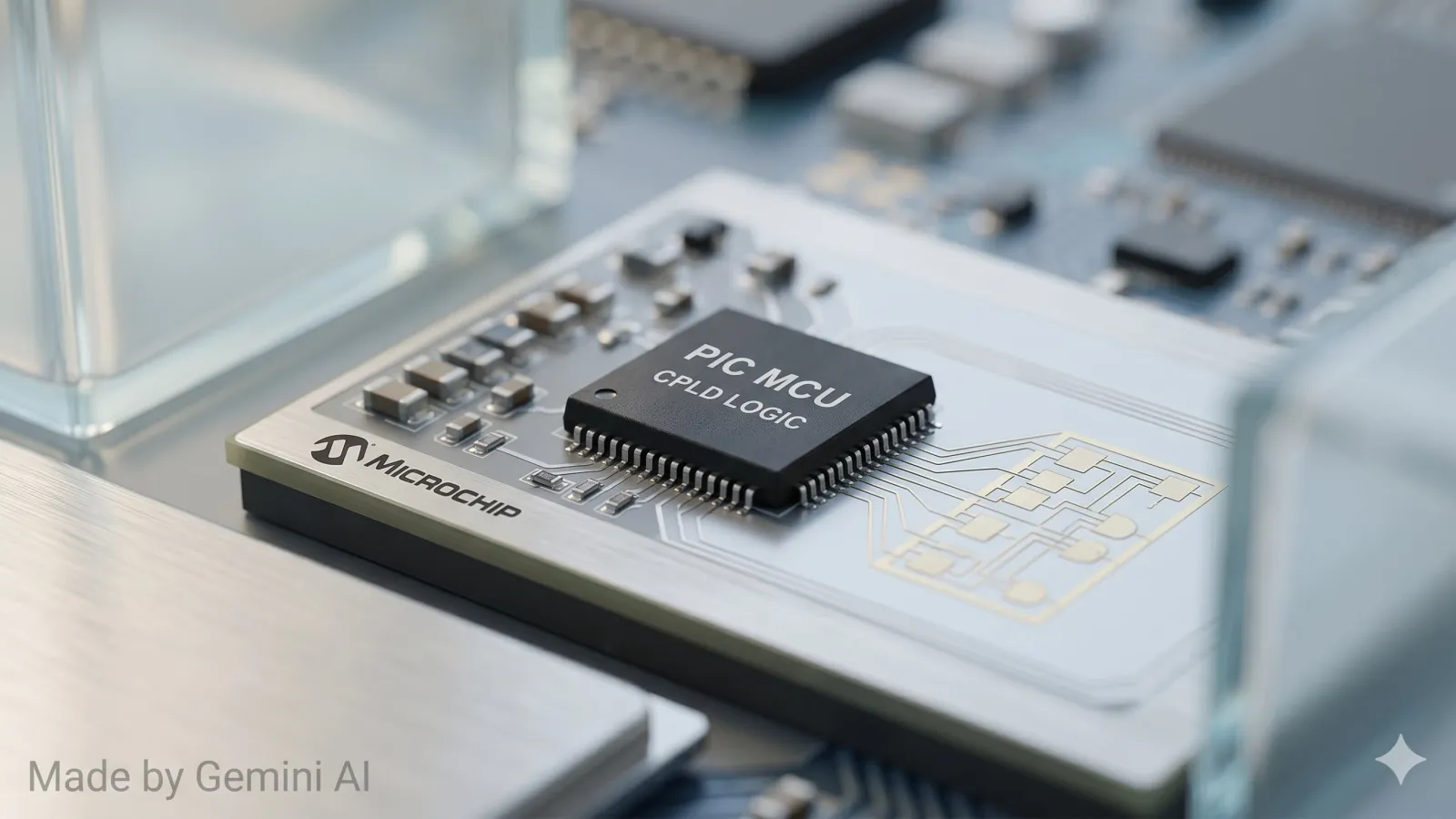
Microchip Technology (NASDAQ: MCHP) has announced that its Nantes manufacturing site in France has expanded its Qualified Manufacturers List (QML) certification under MIL-PRF-38535 to include Class Y, adding to the facility's existing Classes Q and V accreditations, which the site has held since 1999. The move broadens the Nantes facility's scope to cover additional packaging technologies, including non-hermetic solutions, enabling higher levels of integration suited to next-generation military and space programmes.
The Nantes site already holds ESCC QML and AS9100:2018 certifications, placing it among Microchip's most heavily accredited manufacturing locations. The facility is now equipped to support qualification and electrical testing of the company's PIC64 High-Performance Spaceflight Computing series, a line of radiation-hardened and radiation-tolerant 64-bit microprocessors designed for space exploration applications in harsh operating environments.
Expanding the European high-reliability footprint
Patrick Johnson, senior corporate vice president of Microchip's Aerospace and Defense Group, said the company was "in most military applications, and in space, virtually in everything that leaves Earth." The quote signals a strategic confidence in Microchip's position as a systems-level supplier rather than a component vendor, though the claim is broad and not independently benchmarked.
The Class Y expansion fits within a wider network of Microchip qualification sites across the US and Europe. In the United States, the San Jose facility holds Classes Q, V and Y for advanced digital and space applications; Garden Grove covers Class Q for analogue and mixed-signal devices; and the Lawrence, Massachusetts site operates under MIL-PRF-19500 and MIL-PRF-38534 Classes H and K for discrete and hybrid microelectronics. In Europe, the Ennis site in Ireland carries MIL-PRF-19500 for discrete manufacturing. The Nantes addition means Microchip now offers Class Y capability on both sides of the Atlantic.
Market context and regulatory backdrop
The high-reliability semiconductor market for aerospace and defence is a structurally distinct segment from commercial silicon, defined by stringent qualification standards, long product lifespans and limited approved-supplier lists. Key competitors in this space include BAE Systems Electronic Systems, Renesas (via its acquisition of ISL and Intersil heritage lines), Honeywell and a number of specialist radiation-hardened suppliers, though consolidated approved-supplier lists and long qualification cycles create meaningful barriers to entry that tend to favour incumbents.
The timing of the Nantes certification is notable in the context of European strategic autonomy in defence technology. The EU and several member states have intensified efforts to reduce dependence on non-European semiconductor suppliers for critical defence applications, particularly following the disruptions of the 2021-2022 global chip shortage. A European facility holding the same QML Class Y standing as Microchip's US sites gives the company a competitive argument for programmes that carry domestic-content or allied-nation sourcing requirements under frameworks such as ITAR and the EU's emerging Defence Industrial Strategy.
Microchip also points to more than 60 years of space heritage and a broad portfolio spanning radiation-tolerant and radiation-hardened MCUs, MPUs, FPGAs, Ethernet PHYs, power devices, RF products, timing solutions and discrete components. The PIC64-HPSC, now formally tied to the Nantes qualification capability, is positioned as a high-compute option for next-generation space exploration missions where processing demand is increasing faster than the availability of traditional rad-hard devices. Investors and programme managers will be watching for named mission wins and confirmed qualification timelines as the PIC64 family moves through the certification process.