
Diraq appoints Scott McGregor as chairman amid US expansion push
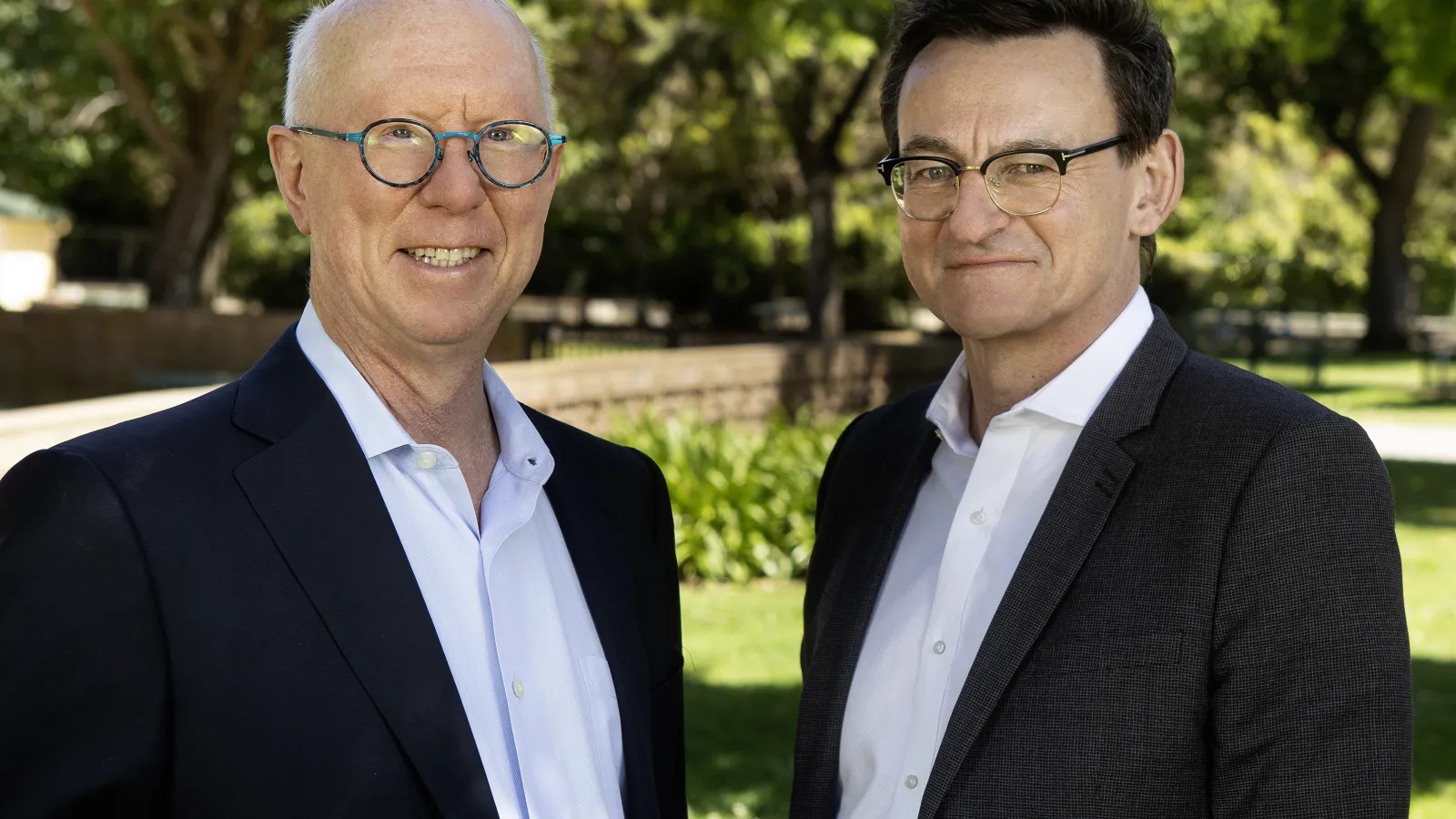
Diraq has appointed Scott A. McGregor as chairman of its board of directors, replacing the Hon. William Jeffrey, who will remain a board member. McGregor, who led development of Microsoft Windows 1.0 before serving as chief executive of both Broadcom and Philips Semiconductors — now NXP — brings decades of experience scaling CMOS-based semiconductor businesses globally, a background that Diraq says directly maps to its silicon-spin-qubit approach.
The Sydney-founded company is targeting deployment of quantum computing systems into data centres worldwide by 2029, a date by which it claims its hardware will be capable of outperforming supercomputers for workloads in finance, healthcare and energy. Diraq uses standard CMOS manufacturing processes — the same fabs that produce today's conventional chips — and says its quantum-dot architecture can support millions of qubits on a single chip.
The appointment and strategic context
Chief executive and founder Andrew Dzurak framed the hire as a deliberate escalation of commercial ambition. "Scott's deep experience in leading global semiconductor giants matches this moment," Dzurak said, noting that McGregor's track record of scaling global hardware businesses will be critical as the company moves from research to product.
McGregor was direct in his competitive framing: "The quantum computing race will closely mirror the evolution of the classic semiconductor industry, and the ultimate winners will have the most scalable manufacturing economics." The incoming chairman argued that CMOS compatibility gives Diraq a structural cost and manufacturability advantage over rival architectures.
The announcement coincides with a period of significant commercial momentum. Diraq has partnerships in place with Nvidia, Dell and GlobalFoundries, and has signed a letter of intent with the US Department of Commerce for up to $38 million in proposed federal funding from the CHIPS Research and Development Office. In-Q-Tel, the strategic investor aligned to the US intelligence community, is also on the cap table — a signal of national-security interest in the technology. To date, Diraq has raised over $100 million from investors including Quantonation, Morgan Creek Digital, imec.xpand, and Australian pension funds Hostplus and UniSuper.
Market and competitive landscape
Silicon-spin qubits compete with superconducting approaches (IBM, Google), trapped-ion systems (IonQ, Quantinuum) and photonic architectures (PsiQuantum, Xanadu) for what most analysts expect will be a winner-takes-most manufacturing infrastructure. Diraq's central thesis — that CMOS compatibility lowers the cost curve in the same way it did for classical chips — is compelling in theory but remains unproven at commercial scale. No quantum vendor has yet shipped a system that demonstrably outperforms classical supercomputers on a commercially meaningful workload.
The appointment of a semiconductor industry veteran with experience at companies that have navigated global foundry relationships, export-control regimes and mass-market pricing pressure suggests Diraq is seriously preparing for the industrialisation phase rather than simply the research phase. McGregor's Broadcom tenure in particular involved managing complex chip-supply relationships and large-scale licensing portfolios — skills that will be relevant as quantum hardware moves toward foundry-based volume production.
DARPA's Quantum Benchmarking Initiative, which former chairman William Jeffrey helped prepare Diraq for, adds a further institutional dimension. Federal procurement interest, combined with the CHIPS Office letter of intent, positions Diraq within the broader US effort to develop sovereign quantum capability — an agenda that has only intensified under recent export-control tightening and the US-China technology competition.
Investors and prospective customers will be watching for the publication of qubit-fidelity benchmarks and the naming of a first commercial customer as Diraq works towards its 2029 target.