
Qrent pushes circular IT as a core business strategy for African firms
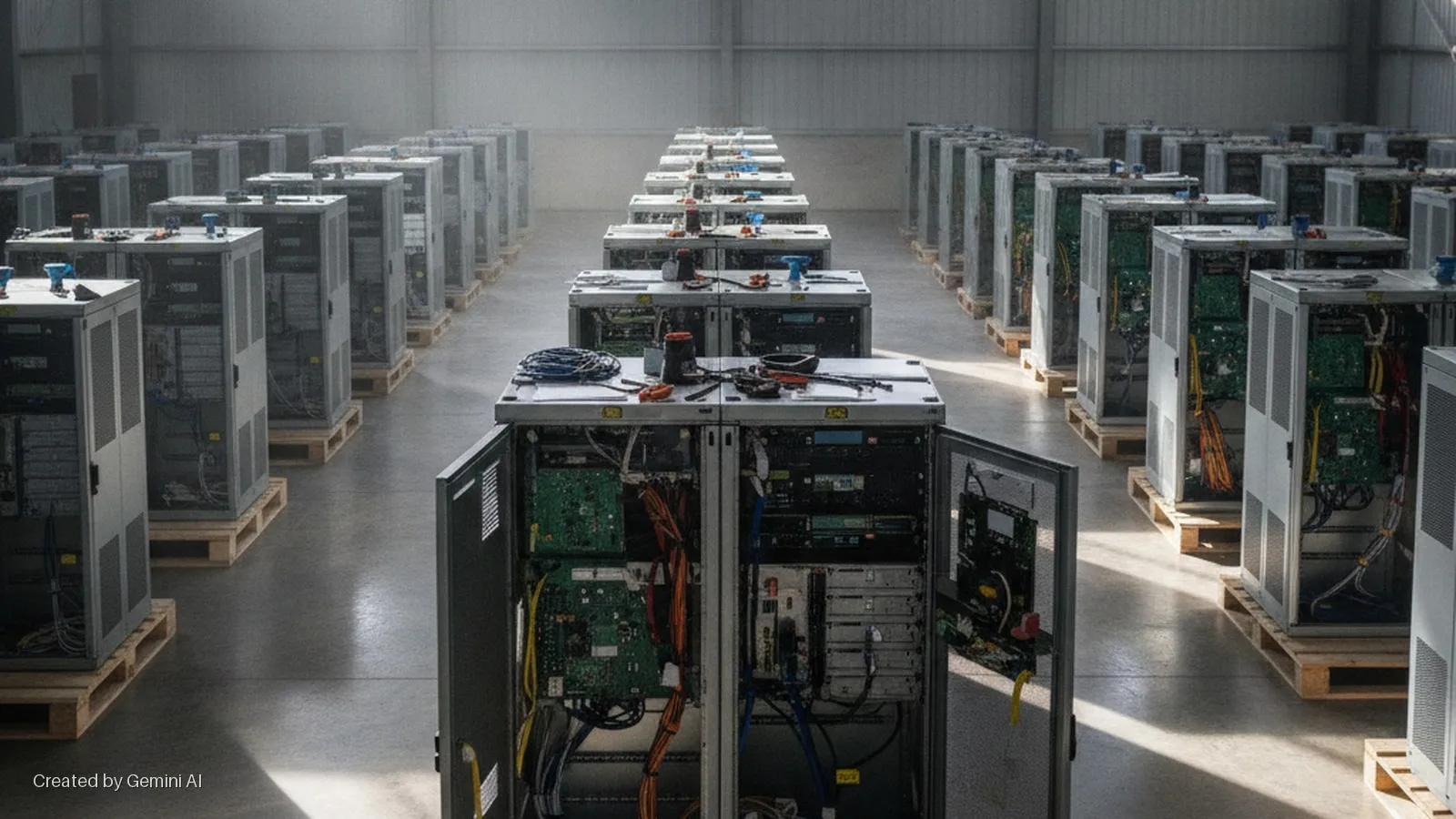
Qrent, a Johannesburg-based provider of refurbished IT hardware and asset lifecycle management services, is making the case that circular IT has moved beyond sustainability optics and into mainstream procurement strategy. The company says converging pressures across African markets, including rising hardware costs, currency volatility and tightening ESG disclosure requirements, are arriving on the same desk at the same time, making refurbished technology commercially compelling rather than merely environmentally motivated.
The argument centres on three overlapping pressures. Hardware manufactured offshore and priced in US dollars creates significant exchange-rate exposure for African enterprises operating in local currencies. Refurbished equipment procured through local-currency rental or leasing arrangements removes that exposure entirely. At the same time, extending device lifecycles reduces the demand for new manufacturing, cutting what Qrent describes as a quantifiable portion of an organisation's Scope 3 emissions, the category most organisations currently struggle to measure and report.
ESG obligations tighten the procurement case
Regulatory pressure is adding urgency to the commercial argument. JSE-listed companies in South Africa are subject to climate-related disclosure requirements aligned to IFRS S2. Multinationals with South African operations face growing ESG compliance demands from global parent companies at a supply chain level, and public sector entities are increasingly required to demonstrate sustainability credentials in bid evaluation frameworks.
Kwirirai Rukowo, Managing Executive for MEA at Qrent, said the framing of circular IT has shifted inside boardrooms. "For a long time, circular IT was something organisations did for their sustainability report. That is changing. Boards and finance teams are now asking the same question their IT and procurement teams have been asking for years: how do we do more with less, faster, and with less exposure? Circular IT answers all three."
Qrent also points to e-waste liability as an underappreciated risk. Africa generates a substantial volume of electronic waste but formal recycling infrastructure remains limited across most markets. The company offers IT asset recovery and responsible recycling services designed to provide a documented chain of custody from deployment through to end-of-life disposal, which it says gives organisations the audit trail needed to demonstrate environmental compliance.
Market context and competitive landscape
The refurbished and circular IT market is not unique to Africa, but the structural conditions on the continent, longer infrastructure investment cycles, constrained capital budgets and supply chain fragility, make the value proposition particularly acute. Globally, circular IT has been gaining traction among large enterprises seeking to reduce Scope 3 footprints as voluntary and mandatory sustainability reporting frameworks converge. In Europe, the Corporate Sustainability Reporting Directive (CSRD) is already driving equivalent procurement reviews; African organisations operating within multinational supply chains are increasingly pulled into the same compliance perimeter.
Qrent's model spans refurbished hardware sales, short and long-term rentals, asset recovery, recycling and lifecycle management. That breadth positions it closer to managed IT lifecycle providers than to traditional resellers, competing in a space where a number of pan-African IT services firms and international refurbishment specialists are also active. The company does not disclose revenue figures or customer numbers in this release, making independent assessment of its market share difficult.
Forward look
The near-term catalyst for Qrent is the phased introduction of mandatory sustainability disclosure across African capital markets and the ripple effect through corporate supply chains. As IFRS S2 alignment deepens and Scope 3 reporting scrutiny grows, IT procurement decisions that have historically sat outside the ESG function are likely to come under greater review. Rukowo's closing argument reflects that trajectory. "The organisations that will lead on sustainability in Africa are not the ones with the most ambitious targets. They are the ones that have built sustainability into the way they actually procure and manage technology."
Whether the market responds at scale will depend on how quickly African enterprises formalise their Scope 3 measurement practices. Until that reporting infrastructure matures, Qrent's pitch will compete as much on cost and currency-risk reduction as on ESG credentials.