
Acer Predator Atlas 8 handheld targets MEA market with Intel Arc
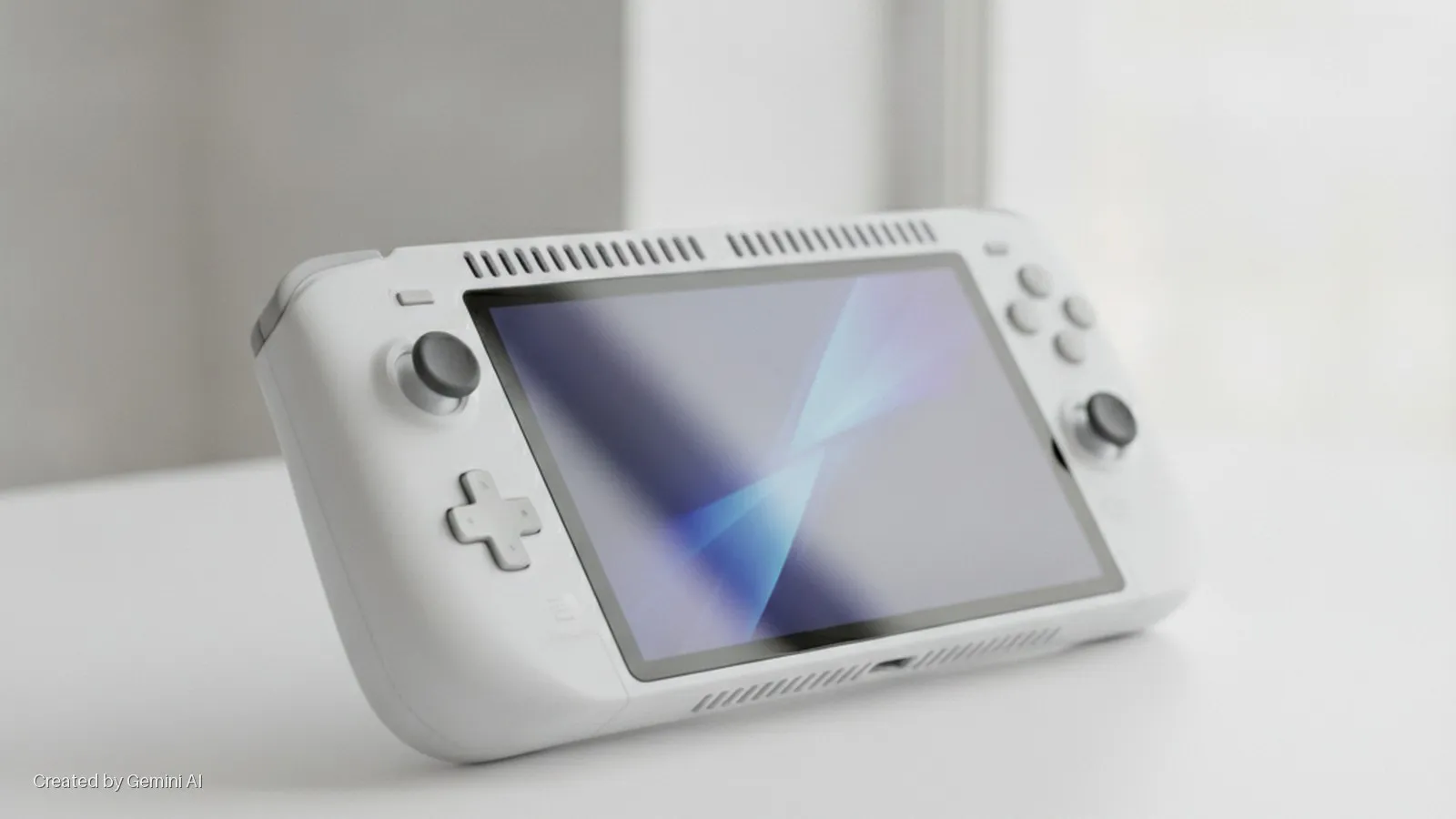
Acer has unveiled the Predator Atlas 8 (PA08-I51), a handheld gaming PC powered by Intel's Arc G-Series processors, adding to its Predator gaming line-up. The device is scheduled to go on sale across the Middle East and Africa region in October 2026; pricing was not disclosed in the announcement.
The unit pairs Intel Arc G3 Extreme silicon with a discrete Intel Arc B390 graphics solution that supports ray tracing and Intel's XeSS 3 AI-based upscaling technology. Acer positions the combination as capable of delivering desktop-adjacent visual fidelity within the power envelope of a handheld form factor. An 80 Wh battery and Intel's Endurance Gaming power-management layer are intended to extend play sessions without a wired connection. No independent benchmark results or frame-rate figures were included in the release.
Hardware and design
The 8-inch display runs at WUXGA resolution with a 120 Hz panel, variable refresh rate support, 500-nit peak brightness and a 16:10 aspect ratio protected by Corning Gorilla Glass Victus with DXC coating. Connectivity includes two Thunderbolt 4 ports, Intel Killer Wi-Fi 7, Bluetooth 5.4, and a UHS-II microSD slot.
Cooling is handled by the AeroBlade dual-fan system, which Acer says is the first to use a metal fan blade in a handheld gaming device. The precision-machined fan carries 89 blades at 0.1 mm thickness, with Acer claiming up to a 10 per cent airflow gain compared with a standard plastic fan. A secondary plastic fan and angled internal airflow channels are intended to exhaust heat more quickly under sustained gaming loads.
Controls include full-size analogue sticks and a dual-mode trigger mechanism that can switch between a micro-switch click for first-person shooters and a Hall-effect analogue range for racing and simulation titles. The PredatorSense software platform, previously available only on Predator laptops, appears here for the first time on a Predator handheld, offering real-time system monitoring, performance-mode switching and RGB customisation.
The device ships with Windows 11 and includes an Xbox Game Pass subscription, giving buyers immediate access to a broad library of titles without additional purchases.
Market context
The handheld gaming PC segment has gained significant commercial momentum since Valve's Steam Deck demonstrated sustained consumer appetite for the category. Competitors now include Asus with its ROG Ally and ROG Ally X, Lenovo with the Legion Go, and MSI with the Claw series. Most of these devices run AMD Ryzen Z-series silicon, making the Predator Atlas 8 one of the first handhelds to deploy Intel's discrete Arc G-Series platform at launch, a meaningful differentiator that will be tested by independent reviewers once units ship.
Intel's Jim Johnson, senior vice president and general manager of the Client Computing Group, said the combination of Arc G-Series and XeSS 3 is designed to deliver "smooth, high-quality gaming and exceptional battery life in a device you can take anywhere," framing the handheld form factor as central to Intel's client roadmap rather than a peripheral use case.
For Acer, the MEA-first availability window and the absence of a price point at announcement make it difficult to gauge competitive positioning against established rivals already on shelves. Buyers in the region will also need to weigh Windows 11 device management overhead against the more locked-down, console-like experience that competing SteamOS-based handhelds offer. How the Arc B390 performs relative to AMD's RDNA 3-based handheld solutions in real-world thermal conditions will be a critical data point when independent reviews emerge ahead of the October on-sale date.