
Elmet Technologies wins $4.3m US defence molybdenum contract
Elmet Technologies, the sole US-owned vertically integrated tungsten and molybdenum manufacturer, has been awarded a $4.3 million government contract to develop and expand domestic manufacturing capabilities for molybdenum-based components used in critical defence systems. The contract was issued by the United States Department of War and announced on 9 June 2026.
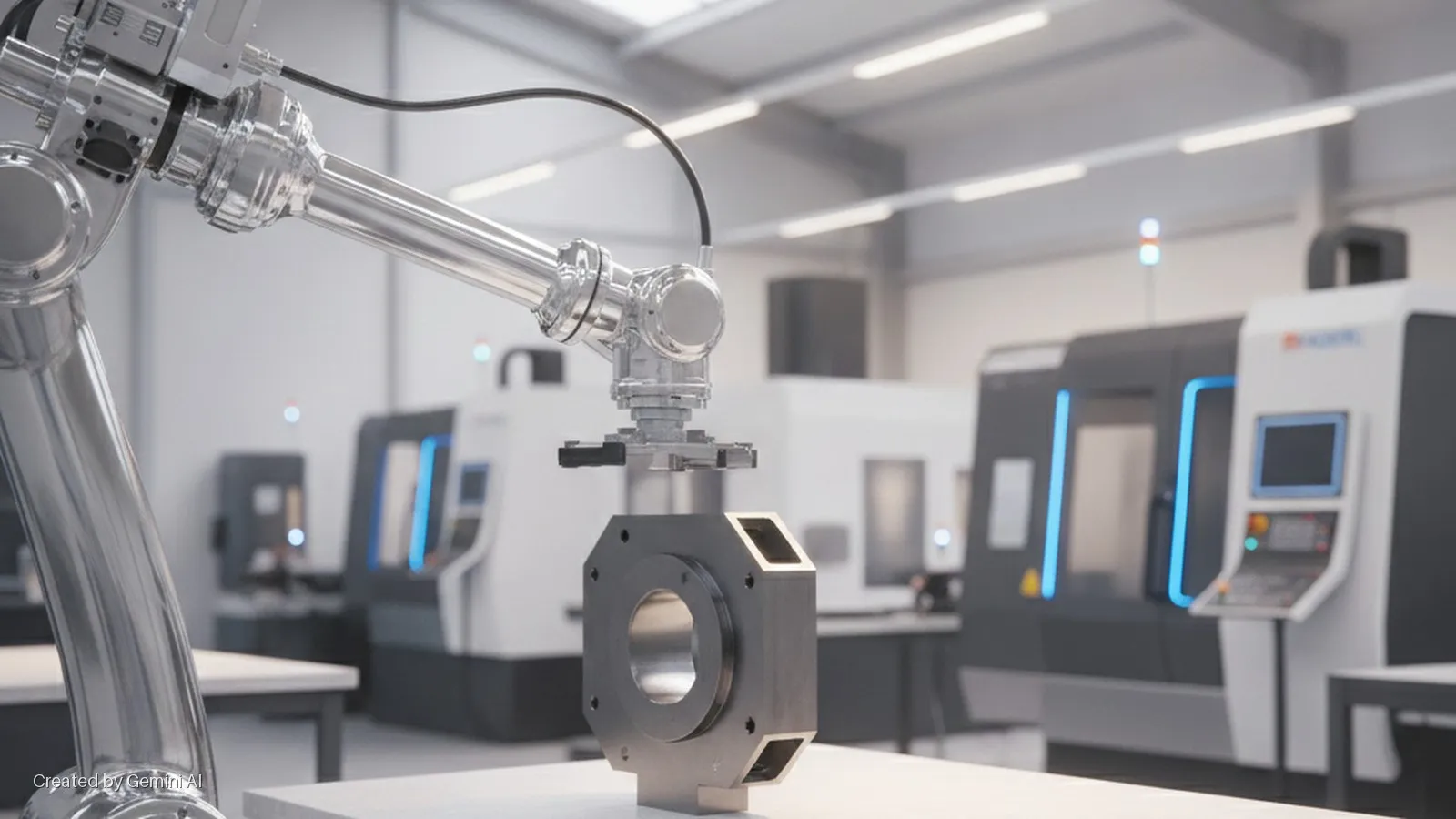
The funding is directed at targeted capital investments across Elmet's Maine, Ohio and Michigan facilities, with the stated aim of improving precision machining, production automation, additive manufacturing, material feeding, post-processing, and inspection systems. The company says the work is intended to support US defence interceptor programmes that depend on refractory metal components as core materials.
The contract
Derek Fox, President of Elmet Technologies and head of The Elmet Group's Critical Materials Components division, said the award "directly supports our mission of securing the critical materials and components supply chain in the US" and would enable the company to deploy advanced manufacturing technologies in support of defence initiatives.
The contract scope covers both capacity expansion and manufacturing readiness — language that signals the Pentagon's interest in ensuring redundancy and long-term supply security for refractory metals, rather than simply procuring finished parts. Elmet holds ISO 9001, AS9100 and ITAR registrations, making it eligible for sensitive defence manufacturing work. The company employs approximately 400 people across its three facilities, totalling more than 500,000 square feet of production space.
Market context
Molybdenum is a critical refractory metal used in high-temperature applications including rocket nozzles, missile components, and particle accelerators. The United States has become increasingly attentive to refractory metal supply chains following broader concerns about dependence on foreign — particularly Chinese — sources for critical minerals. China dominates global molybdenum mining and processing, and Washington has in recent years used defence procurement contracts as a lever to incentivise domestic capacity investment.
Elmet's position as the only US-owned, vertically integrated producer of both tungsten and molybdenum gives it a structural advantage in defence procurement, where ITAR compliance and domestic-ownership requirements can effectively exclude foreign competitors. That said, the $4.3 million contract value is modest by defence programme standards; it is more consistent with a capability-development award — sometimes called an "OTA" or other transaction agreement — than a large-scale production contract. Investors will want to watch whether this award leads to follow-on production orders as the interceptor programmes it supports move through their development cycles.
Regulatory and policy read-across
The contract aligns with the broader thrust of US industrial policy under successive administrations to re-shore production of materials deemed critical to national security. The Defence Production Act and the National Defence Authorisation Act have both been used to channel funding toward domestic critical-materials producers, and awards of this kind typically require recipients to maintain ITAR registration and submit to periodic compliance audits.
For The Elmet Group (NASDAQ: ELMT), which operates a second segment — Engineered Microwave Products — alongside its Critical Materials Components division, the contract reinforces the defence-industrial positioning that underpins the company's investment case. The near-term milestone to watch is whether Elmet publishes updated production-throughput figures or announces a named programme customer once the work advances beyond the capability-development phase.