
APSEZ extends Kaleris deal to cover 15 terminals in AI push
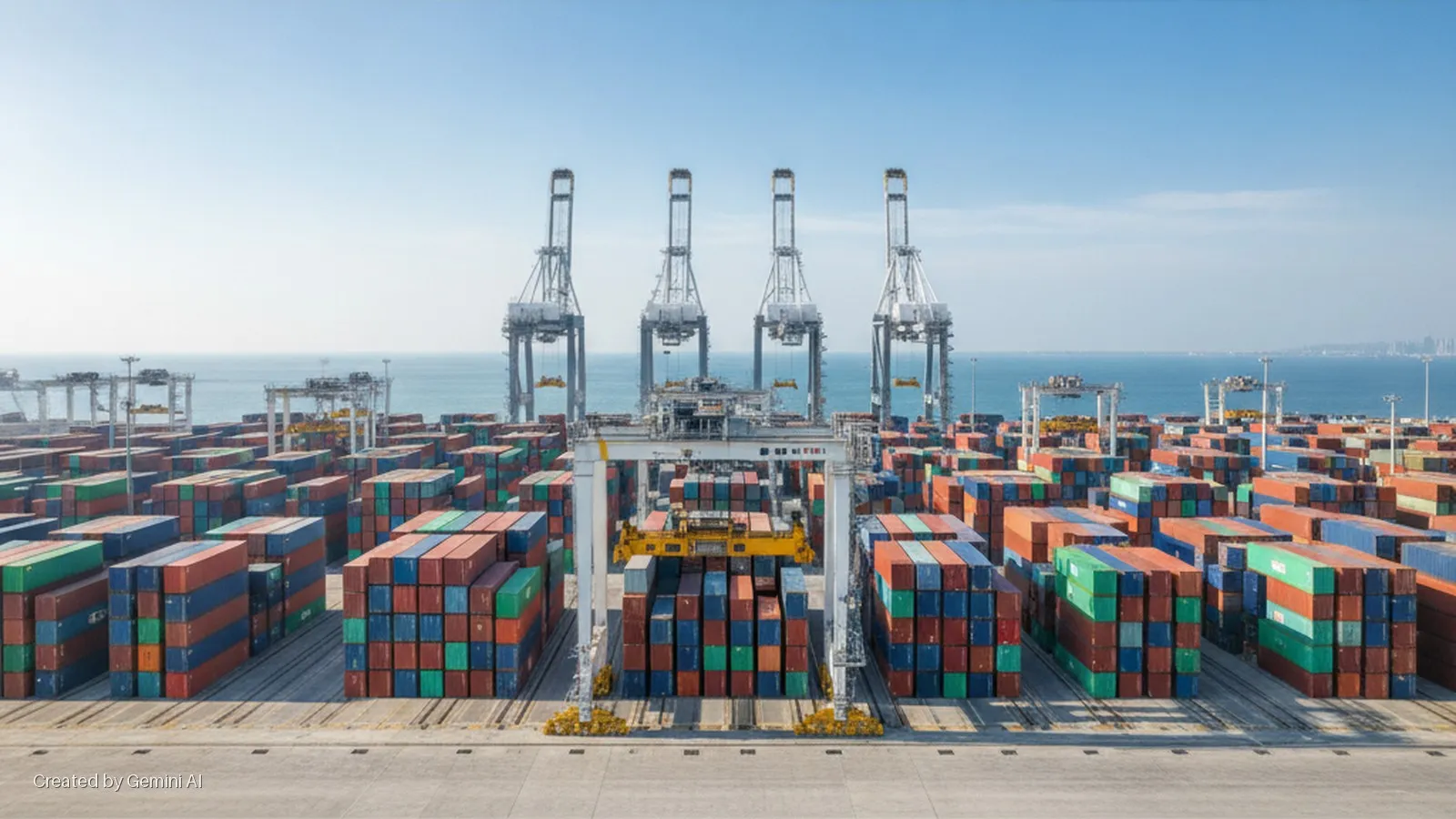
Adani Ports and Special Economic Zone (APSEZ), India's largest integrated port operator, has expanded its multi-year technology partnership with Atlanta-based Kaleris to cover its full network of 15 container terminals across nine domestic and international ports. The agreement extends a Phase 1 deployment that had already reached six ports, and will see Kaleris's N4 Terminal Operating System alongside its Advanced Optimisation suite rolled out across APSEZ's maritime and logistics estate.
The expanded deal sits inside a broader USD 850 million capital programme APSEZ has committed to technology and decarbonisation ahead of its 2031 ambition. Up to USD 100 million of that envelope, split across two phases, is earmarked specifically for automation and optimisation work tied to the Kaleris collaboration. The commercial terms of the software contract itself were not disclosed.
What the technology is expected to deliver
APSEZ says the Kaleris deployment is projected to deliver up to a 20% improvement in Rubber Tyred Gantry crane productivity and up to 14% improvement in terminal truck productivity. The company is targeting an additional 91 million metric tonnes of cargo handling capacity by 2030, roughly 10% of its current installed base, and expects the Kaleris rollout to accelerate that trajectory.
The platform integrates terminal operations management with AI-augmented planning and real-time optimisation, drawing on IoT sensor data and computer vision to manage yard utilisation and vessel turnaround. APSEZ's stated goal is one billion tonnes of annual cargo throughput by 2030, up from a current licensed capacity of 653 million tonnes. Ashwani Gupta, Whole-time Director and CEO of APSEZ, said the Kaleris integration would "enhance productivity, improve turnaround time, and consistently deliver a superior customer experience," adding that AI-enabled automation would "define the next frontier of competitiveness in ports and logistics."
Kirk Knauff, President and CEO of Kaleris, noted that expanding to all 15 terminals "reflects the results already achieved and the trust behind this partnership."
Market context and competitive positioning
Port technology modernisation has become a priority across global container handling as shipping lines and shippers demand tighter end-to-end visibility and shorter dwell times. Kaleris competes in a market that includes Navis (now part of Cargotec's Kalmar division), TBA Group and a growing field of AI-native logistics software vendors. The N4 TOS is one of the more widely deployed platforms at scale, with Kaleris reporting more than 680 customer organisations across 105 countries, which gives APSEZ a relatively lower integration risk than a greenfield system would carry.
For APSEZ, the technology investment is also a competitive positioning play in the context of India's broader port modernisation agenda. The Indian government's Sagarmala programme and successive national logistics policy revisions have pushed port operators to cut logistics costs as a share of GDP, and private operators such as APSEZ, which handles approximately 27% of India's total port volumes, face pressure to demonstrate productivity gains that justify their infrastructure dominance.
The partnership also carries a sustainability dimension. APSEZ was ranked in the top 5% of global transportation and infrastructure firms in the 2025 S&P Global Corporate Sustainability Assessment, and the USD 850 million technology-and-decarbonisation programme bundles emissions reduction alongside operational efficiency. Five of its ports are listed in the World Bank's Container Port Performance Index 2024, providing an external benchmark against which future productivity improvements can be measured.
Investors and supply chain customers will watch for independently verified throughput data and named productivity milestones as the Phase 2 rollout progresses. Neither company disclosed a deployment timeline for the expanded terminal network.