
Eco Wave Power uses NVIDIA digital twins to optimise wave energy
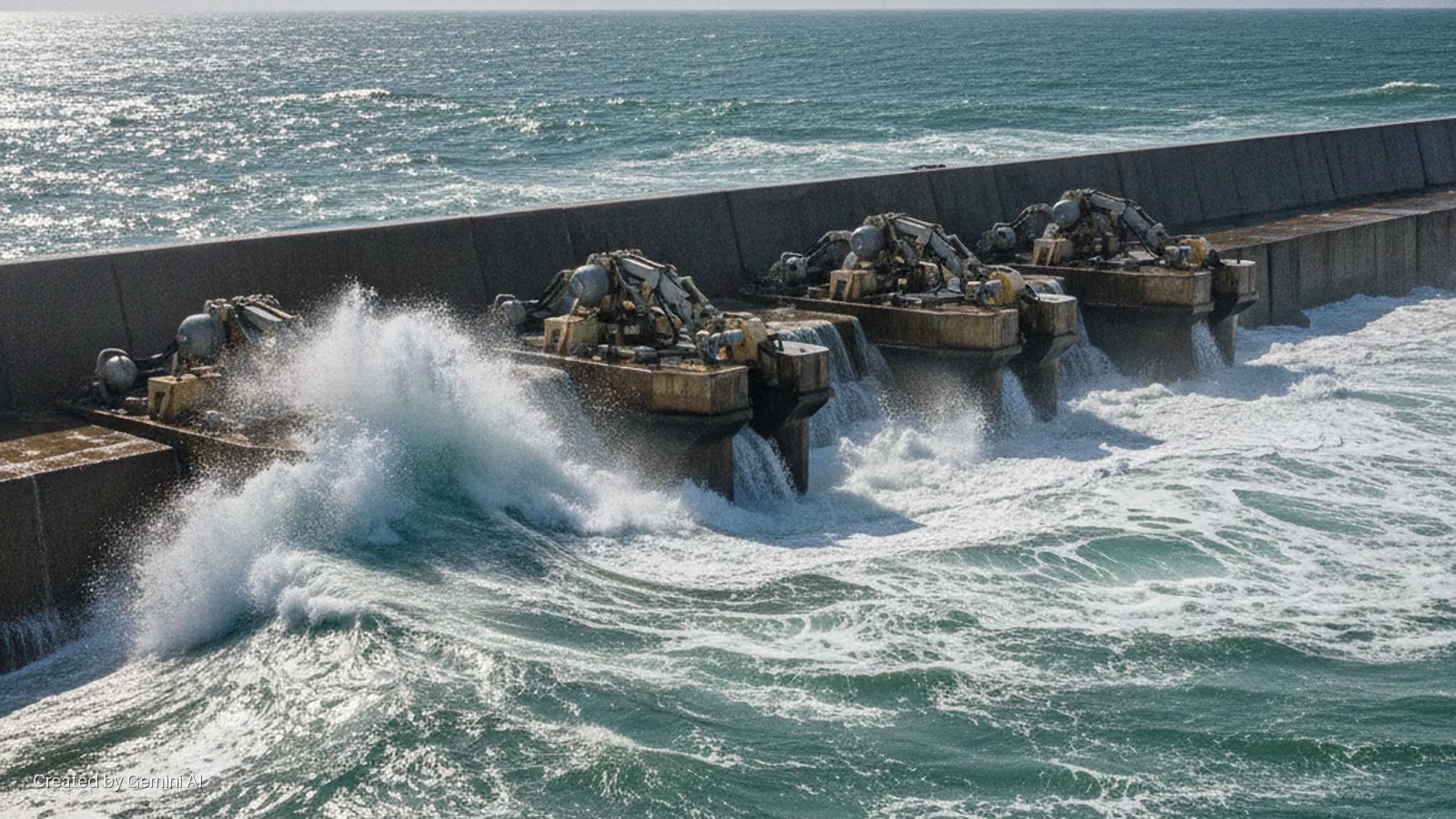
Eco Wave Power (Nasdaq: WAVE) has been featured in an NVIDIA corporate blog detailing how the company applies NVIDIA AI infrastructure and Omniverse-powered digital twins to optimise wave energy generation, infrastructure planning, and operational efficiency. The release says NVIDIA founder and chief executive Jensen Huang highlighted Eco Wave Power's digital twin during keynote presentations, lending the company a degree of visibility unusual for a small-cap renewable energy operator.
The company is running two grid-connected projects. The first is a wave energy power station at the Port of Jaffa, Israel, developed in collaboration with EDF Power Solutions and the Israeli Ministry of Energy. The second is a pilot project at the Port of Los Angeles, California, built with AltaSea and Shell Marine Renewable Energy. Neither project's installed capacity, generation output, or commercial revenue figures were disclosed in the release.
Technology application
Eco Wave Power says it uses NVIDIA's Omniverse platform to construct digital replicas of its wave energy installations. The claimed purpose is to model wave behaviour and equipment performance before physical deployment, reducing engineering risk and accelerating site iteration. AI-powered predictive analytics are said to feed into operational decision-making at live sites.
The company frames this stack as a response to a broader challenge: as AI-driven compute demand pushes global electricity consumption upward, data centre operators and hyperscalers are facing growing pressure to diversify their power sources. Wave energy, which the company describes as one of the world's largest untapped renewable resources, is positioned by Eco Wave Power as a candidate supply for future AI infrastructure. No capacity commitments from data centre customers were announced.
Market context
Wave energy remains one of the least commercially mature segments of the renewable energy sector. Unlike offshore wind and utility-scale solar, which have established supply chains, standardised project finance structures, and gigawatt-scale deployment records, wave energy has yet to produce a commercially operating project at meaningful scale anywhere in the world. Eco Wave Power's port-based, shoreline-mounted approach is distinct from offshore wave energy converter designs pursued by other developers, but the technology-readiness gap between pilot and utility-scale operation is substantial across the entire category.
The use of digital twins in energy infrastructure is itself an expanding application area for NVIDIA's Omniverse platform, which has been deployed across grid planning, wind farm design, and smart-city modelling. For NVIDIA, profiling clean energy applications aligns with an increasingly prominent narrative around sustainable AI infrastructure and demonstrates Omniverse's reach beyond gaming and industrial simulation.
Regulatory tailwinds for marine renewables are building in some jurisdictions. The UK's Crown Estate has included wave and tidal stream in recent offshore leasing rounds, and the US Department of Energy continues to fund wave energy converter demonstration programmes. Eco Wave Power's California project benefits from California's supportive renewable portfolio standard framework and AltaSea's status as a public maritime research hub.
The company has not provided a timeline for scaling beyond pilot status or disclosed any power purchase agreements with commercial offtakers. Investors and infrastructure buyers will be watching for capacity announcements and commercial offtake agreements as the clearest near-term signal of viability.