
Edortech eyes battery OEMs with tin-alloy anode claiming 340 Wh/kg
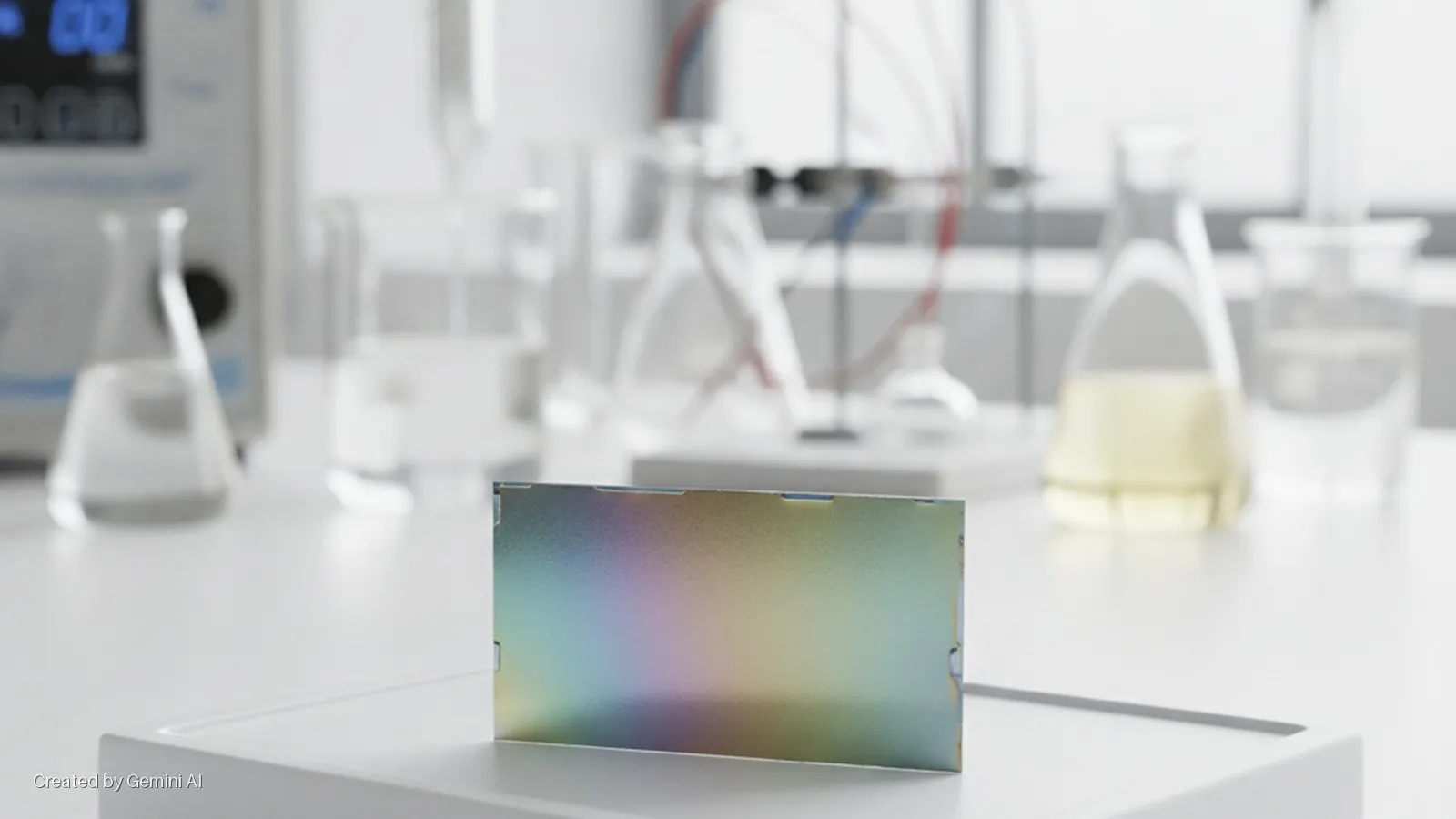
Hungarian deep-tech startup Edortech is pushing into the global battery market with ONLi, a patented tin-alloy anode platform it says can replace conventional graphite electrodes in both lithium-ion and sodium-ion cells. The company emerged from stealth after reaching Technology Readiness Level 6 (TRL 6) and is now conducting industrial validation with partners across Austria, the UK, the US and Turkey.
Chief executive Adam Vida, who also serves as R&D director at the state-funded Bay Zoltán Research Institute from which Edortech was spun out, told IntelliNews that the platform currently achieves up to 340 Wh/kg in certain cell formats and delivers up to twice the volumetric energy density of conventional graphite anodes. The company operates two pilot production machines with a combined annual capacity of around two tonnes of anode material and plans to commission a 100-tonne industrial module by 2028.
The technology
ONLi departs from the powder-based, binder-and-solvent construction of conventional graphite anodes. Instead, Edortech deposits a continuous metallic alloy layer directly onto copper foil, typically 6 to 20 micrometres thick compared with the 110 to 250 micrometres of standard graphite electrodes. The architecture eliminates slurry preparation, solvent drying and calendering from the manufacturing process, which the company argues lowers the barrier to adoption because cell producers can accept the finished anode roll at the same point in their production flow as a conventional electrode.
Vida says the operating potential of the ONLi anode sits measurably above the lithium-deposition threshold, providing a wider electrochemical safety margin during ultra-fast charging. The company is targeting 4C charging rates while maintaining cycle life, though Vida notes that full-cell electrolyte formulation, temperature management and charging protocols remain important co-variables.
On the historic weakness of tin-based anodes, namely volumetric swelling during lithiation, Vida says Edortech resolved the issue through optimisation of alloy composition, microstructure and deposition morphology rather than any single material substitution. He says ex-situ structural characterisation confirms mechanical stability after repeated charge-discharge cycles, and that the alloy's expansion is significantly lower than silicon-based anodes, though still above graphite.
Market context and competitive positioning
The anode materials market is currently contested between established graphite supply chains dominated by Chinese producers and a wave of next-generation chemistries, principally silicon-carbon composites backed by companies including Sila Nanotechnologies, Group14 Technologies and Nexeon. Silicon-carbon has attracted substantial venture capital on the strength of its energy-density gains, but producers have faced well-documented challenges around volume expansion, cycle life degradation at scale, and the cost of adapting existing cell lines. Edortech positions ONLi as offering comparable or superior volumetric gains to silicon-carbon with less disruptive integration requirements, a claim that independent validation partners will need to substantiate before major OEMs are likely to commit.
The European battery manufacturing landscape is relevant context. Gigafactory build-outs across Sweden, Germany, Hungary and Poland are creating a regional customer base eager to differentiate on cell chemistry ahead of the EU Battery Regulation's sustainability and supply-chain due-diligence requirements, which begin phasing in from 2027. Edortech's emphasis on European raw-material sourcing, recycled feedstocks and a closed manufacturing process with minimal solvent waste aligns directly with those compliance obligations and could strengthen its commercial argument with European cell producers.
Vida reports that Edortech has established more than two dozen strategic cooperation agreements, though no named cell-manufacturer customers or signed licensing deals were disclosed. Independent validation work with the Austrian Institute of Technology and commercial partners is ongoing. Investors and prospective licensees will look for named customer wins and published third-party cycle-life data as the 2028 industrial module commissioning date approaches.