
CVC DIF takes majority stake in German colocation firm firstcolo
CVC DIF, the infrastructure arm of private markets manager CVC, has agreed to acquire a significant majority stake in firstcolo GmbH from CUBE Infrastructure. The deal, structured through CVC DIF Value Add IV, is expected to complete by the end of September 2026, subject to customary closing conditions. firstcolo's founders, Jerome Evans and Nicolaj Kamensek, will retain an equity interest and remain active as CEO and COO respectively.
Founded in 2007, firstcolo operates two data centres in the Frankfurt metropolitan region, serves more than 350 customers across colocation, cloud, connectivity and managed services, and runs on certified renewable electricity. The company holds ISO/IEC 27001:2022 and ISO 9001:2015 certifications and operates its own IP backbone with more than 2,000 Gbit/s of capacity, guaranteeing 99.999 per cent uptime.
The FRA7 expansion
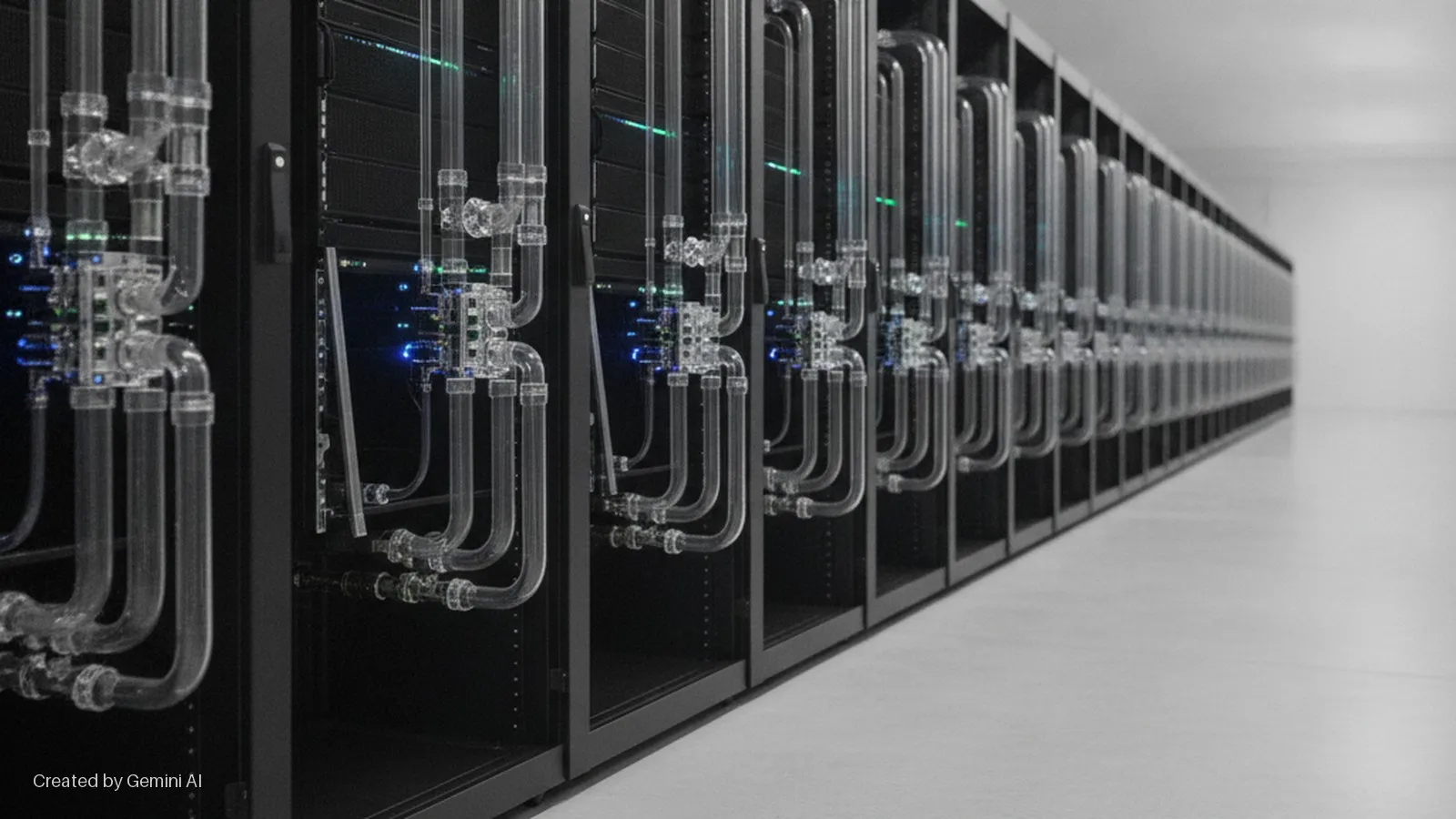
The primary use of CVC DIF's capital is a greenfield facility designated FRA7, located in Rosbach vor der Höhe within the broader Frankfurt metropolitan area. The site is designed for up to 24 MW of total capacity, equivalent to 16 MW of IT load, and is engineered from the outset for high-density AI and HPC workloads. Rack densities will reach up to 200 kW per rack, supported by advanced liquid cooling infrastructure. firstcolo is targeting a power usage effectiveness (PUE) of below 1.2 for the facility.
Site permits, power supply agreements and a turnkey construction model are already in place. firstcolo has also secured a partnership with regional energy provider OVAG, which will supply the site and enable data centre waste heat to feed into local district heating networks. Willem Jansonius, Managing Partner at CVC DIF, described firstcolo as "a rare opportunity to invest in a high-quality, founder-led colocation platform in an attractive and supply-constrained FLAP-D data centre market."
Market context
Frankfurt sits at the centre of the FLAP-D cluster (Frankfurt, London, Amsterdam, Paris, Dublin), which collectively accounts for the majority of European colocation demand. Frankfurt's position as continental Europe's primary internet exchange hub, anchored by DE-CIX, makes it structurally attractive for latency-sensitive workloads. Supply constraints across FLAP-D have intensified over the past two years as power availability tightened, pushing colocation rents upward and attracting infrastructure capital from a widening field of buyers.
The broader European data centre investment landscape has seen considerable activity from infrastructure funds seeking long-duration, inflation-linked assets. Competitors in the Frankfurt colocation market include global hyperscale operators, pan-European players such as Equinix and NTT and a tier of mid-market regional operators. firstcolo's differentiation is positioned around direct technical support, sovereign cloud suitability and flexibility for regulated enterprise customers, a positioning that aligns with rising interest from German financial services, healthcare and public-sector buyers seeking localised infrastructure.
Sustainability and regulatory positioning
FRA7's waste-heat integration and sub-1.2 PUE target are consistent with the direction of EU data centre sustainability regulation. The EU Energy Efficiency Directive (EED), which came into force in 2023, requires data centres above 500 kW to report energy and water usage to national registries. Germany has transposed these requirements into national law, and regulators are increasingly scrutinising new greenfield projects for sustainability credentials. firstcolo's OVAG partnership gives the facility a credible local renewable supply story and a waste-heat narrative that could prove commercially relevant as enterprise customers face their own scope-2 and scope-3 reporting obligations under the Corporate Sustainability Reporting Directive (CSRD).
The transaction also reflects broader momentum in sovereign cloud infrastructure. firstcolo explicitly targets sovereign cloud architectures and regulated industries, a market that has grown in strategic importance since the German government's cloud-first policies and ongoing debates around US hyperscaler data residency.