
Maris-Tech to demo edge AI and video systems at AUSA 2026
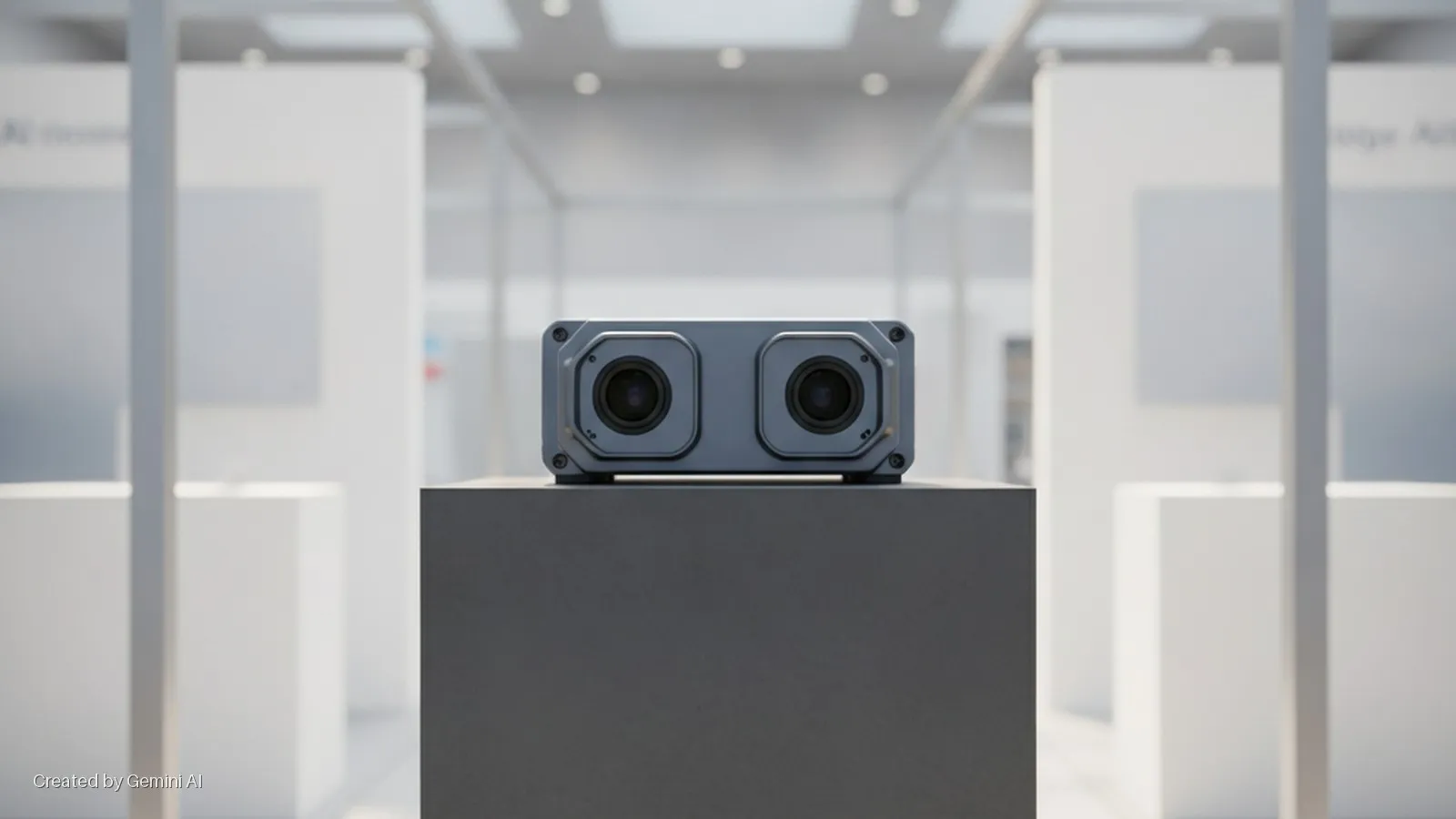
Maris-Tech Ltd (Nasdaq: MTEK) will exhibit and run live demonstrations at the AUSA 2026 Annual Meeting and Exposition in Washington D.C. from 12 to 14 October, presenting its edge video and AI product portfolio to a defence-sector audience at Booth 761. The Israeli company, headquartered in Rehovot, focuses on onboard video processing and AI analytics for platforms where low latency and bandwidth constraints rule out reliance on centralised compute.
The demonstrations are designed to illustrate two scenarios central to modern armoured vehicle operations: full-perimeter 360-degree situational awareness while the crew operates with hatches closed, and real-time video relay from an unmanned aerial vehicle extending the crew's line of sight beyond the vehicle's immediate surroundings. The company says its systems acquire data from multiple sensor feeds, perform AI inference onboard, and deliver low-latency video to operators without offloading processing to external infrastructure.
Product portfolio on show
The exhibit will span several named product families. Armoured vehicle situational awareness and thermal observation will be represented by the Diamond Ultra and Peridot lines. AI and video processing platforms from the Jupiter family will also be displayed, alongside drone and unmanned-platform solutions. Video encoding, recording and communications technologies under the Opal, Amethyst, Mars RF and Coral names complete the stand.
The AUSA appearance follows what the company describes as a period of meaningful commercial progress. In September 2026 Maris-Tech announced what it calls its largest-ever contract: a US$10 million order to develop and supply advanced video systems for multiple next-generation manned airborne platforms. The multi-year project carries additional purchase options that, if fully exercised, could bring the cumulative order value to approximately US$14.1 million. Separately, the company received a pilot order, sourced through a distributor, from an unnamed leading global defence company for an armoured vehicle situational awareness application using the Jupiter product line. The company said successful pilot completion could generate significant follow-on orders, though it did not provide a figure or timeline.
Chief executive Israel Bar said AUSA represented an opportunity to translate recent commercial progress into operational demonstrations: "From 360-degree situational awareness on armoured vehicles to airborne and unmanned applications, our focus is on delivering edge video and AI technologies that address real operational requirements."
Market context
Edge AI for defence platforms sits at the intersection of several accelerating trends: the shift toward autonomous and remotely operated military systems, growing demand for onboard inference rather than cloud-reliant processing, and the operational constraints of contested electromagnetic environments where connectivity is unreliable. Maris-Tech competes in a fragmented market that includes larger defence electronics primes and a number of specialist embedded-compute vendors. Its SWaP-optimised positioning (size, weight and power) is particularly relevant for unmanned platforms where payload capacity is limited.
AUSA itself is among the largest land-power expos in North America, drawing procurement officials, programme managers and prime contractors from NATO member states and partner nations. For a small-cap company with a Nasdaq listing and a primary market in Israel, the expo provides exposure to US Department of Defense supply-chain conversations that would otherwise be difficult to access independently. Investors will be watching for any announcement of named US customers or follow-on orders from the armoured vehicle pilot as the clearest near-term commercial signals beyond the airborne contract already disclosed.