
UAV Corp airship moves to company airport ahead of June flight tests
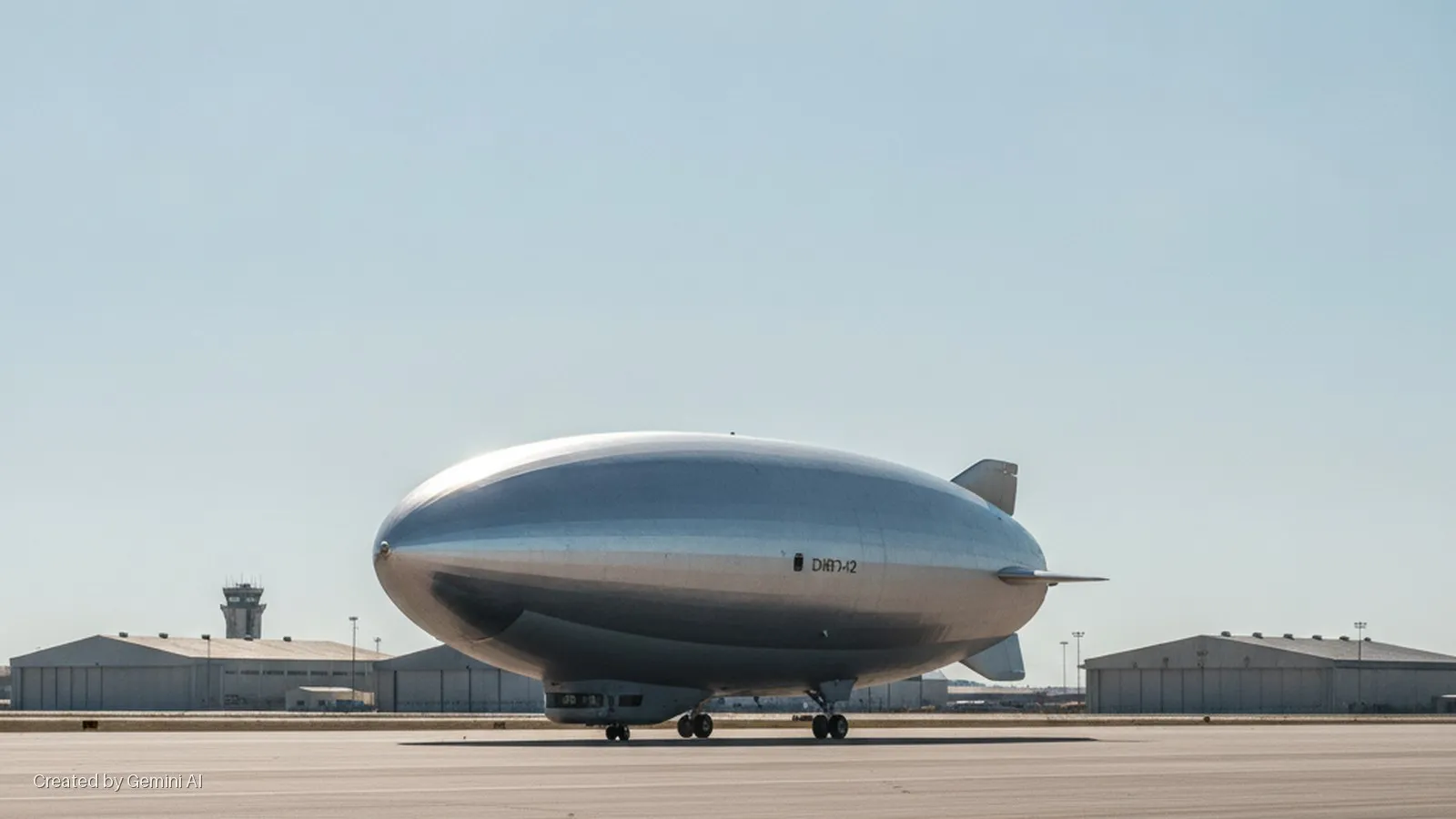
UAV Corp (OTC: UMAV) has announced that its subsidiary Skyborne Technology is completing final preparations at its company-owned airport in Florida ahead of scheduled weight-balance analysis and flight tests. Final subsystems for the DART SA 70-12 airship, including the flight deck, envelope assemblies and power plants, are due for delivery and integration between 7 and 19 June 2026, with weight-balance analysis targeted for the same month.
The company said issues relating to airship pilot certification have been resolved, though it did not elaborate on the nature of those issues or name the pilots engaged.
Partnership with WAIVTEC
Skyborne has also announced a partnership with WAIVTEC, a company the release describes as the developer of an AI-powered wide-area surveillance system capable of monitoring an area the size of a small city. The system is said to provide simultaneous reverse and fast-forward video access to an unlimited number of concurrent users, each viewing different sections of the surveilled area. UAV Corp says it expects to integrate the WAIVTEC payload onto Skyborne test flights later in 2026, though no formal integration timeline or contract terms were disclosed.
Separately, UAV Corp and Xeriant (OTC: XERI) have agreed to collaborate on nanotechnology development aimed at producing advanced fabrics and structural materials for aerial platforms. The release notes the two companies are also in "initial discussions" regarding a possible future merger, with no binding terms in place. UAV Corp says it is targeting near-term successful test flights to progress sales it describes as potentially exceeding $2 billion in pipeline value, though the release carries standard safe-harbour disclaimers and no customer names or signed contracts were cited.
Market context
The persistent unmanned aerial vehicle market, particularly for large-format airships and long-endurance surveillance platforms, has attracted interest from defence and border-security buyers in the United States and allied nations. However, it remains a fragmented and largely pre-revenue segment, with a number of small OTC-listed developers alongside larger primes such as Northrop Grumman and L3Harris competing for government contracts.
Wide-area persistent surveillance from lighter-than-air platforms is not a new concept. Programmes such as the US Army's JLENS were cancelled following operational incidents, and the sector carries reputational and regulatory baggage that new entrants must navigate carefully. Integration of AI-enabled sensors into such platforms also raises questions under emerging US Department of Defense AI assurance frameworks and Federal Aviation Administration airworthiness rules for unmanned systems operating in national airspace.
UAV Corp trades on the OTC market and has stated its intention to pursue a Nasdaq uplisting, a threshold that would require it to meet minimum revenue, shareholder equity and governance standards. Investors will be watching the June and subsequent test flights as the nearest verifiable milestones against those ambitions.