
Weecover urges insurers to adopt microservices to unlock AI at scale
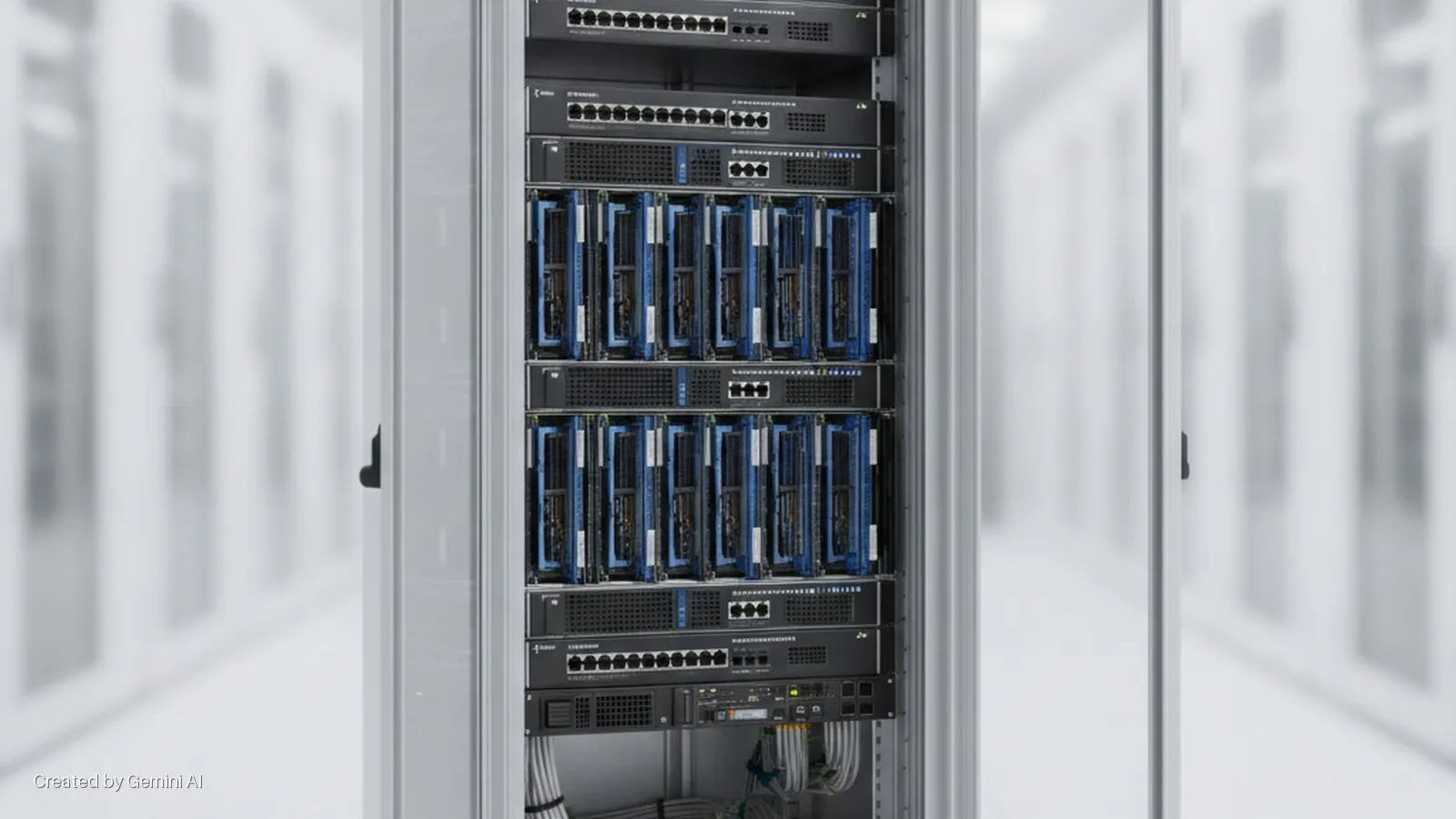
Weecover, a Barcelona-based insurtech specialising in modular insurance-core software, has published its position on why AI deployments in the insurance sector continue to stall at proof-of-concept stage. Chief executive and co-founder Jordi Pagès argues the bottleneck is not the AI itself but the rigid, siloed operational architectures that sit beneath it.
The company's argument draws on figures from Gallagher Re's Global InsurTech Report for the first quarter of 2026, which found that 95.2% of the $1.63 billion invested in the insurance sector during that period went to AI-focused companies. Despite that concentration of capital, Weecover says the industry is struggling to translate those investments into large-scale, profitable production deployments.
The microservices case
Rather than recommending a full-scale rip-and-replace of legacy core systems, Weecover advocates a gradual, modular approach built on API-first microservices and cloud-based components. The model allows insurers to connect new capabilities to existing platforms without rewriting underlying code, shortening the time to launch new products from years to weeks, the company says.
Rafael Gallardo, chief data officer and co-founder, illustrated the approach with a practical example: "A traditional core system that works does not need to be switched off. Thanks to modularity, we can connect a specific cloud-based module to launch a new product or pilot into the market within a matter of weeks to assess its viability, all while coexisting natively with the existing core platform."
Gallardo also framed the commercial risk of inaction. If an AI model requires two days to complete a risk assessment because a legacy system is blocking or fragmenting data flows, he argued, competitors operating in real time will capture the business and leave slower rivals exposed to adverse risk selection.
To bridge the data-fragmentation problem immediately, Weecover proposes deploying a modular middleware layer that acts as a translator between AI services and legacy systems, enabling consistent, real-time data access without modifying the underlying core.
Market context and competitive landscape
Weecover is not alone in this diagnosis. A growing set of insurtech infrastructure vendors, including legacy-modernisation specialists and cloud-native policy-administration providers, are positioning modular middleware and API orchestration as the pragmatic alternative to costly core migrations. The argument has gained traction with carriers that watched earlier generation digital-transformation programmes run over budget and over schedule.
The broader enterprise-software market has converged on similar patterns. The shift from monolithic architectures to microservices is well established in retail banking, telecoms and e-commerce, and insurers are increasingly under investor pressure to close the gap. Regulatory obligations under Solvency II and the EU's Digital Operational Resilience Act (DORA), which requires financial-sector entities including insurers to demonstrate operational resilience and third-party technology risk controls by January 2025, are adding further urgency to modernisation programmes.
Weecover's own platform has evolved from an embedded insurance distribution tool into a modular SaaS core system targeting managing general agents and insurers. The company positions itself at the intersection of distribution technology and operational infrastructure, a combination it says gives it visibility across both the front-end product launch cycle and the back-end data-processing layer.
Pagès closed with a strategic claim that points toward the company's longer-term pitch to the market: "AI will become accessible to everyone; however, operational excellence will be far more difficult to replicate. Insurers that invest today in modern, modular distribution platforms will be the ones shaping the future of the industry."
The release does not disclose Weecover's customer count, revenue, or the number of live production deployments running on its platform, leaving the commercial validation of its architectural thesis largely untested in the public domain.