
Core42 and UAE Cyber Security Council sign sovereign AI cloud MoU
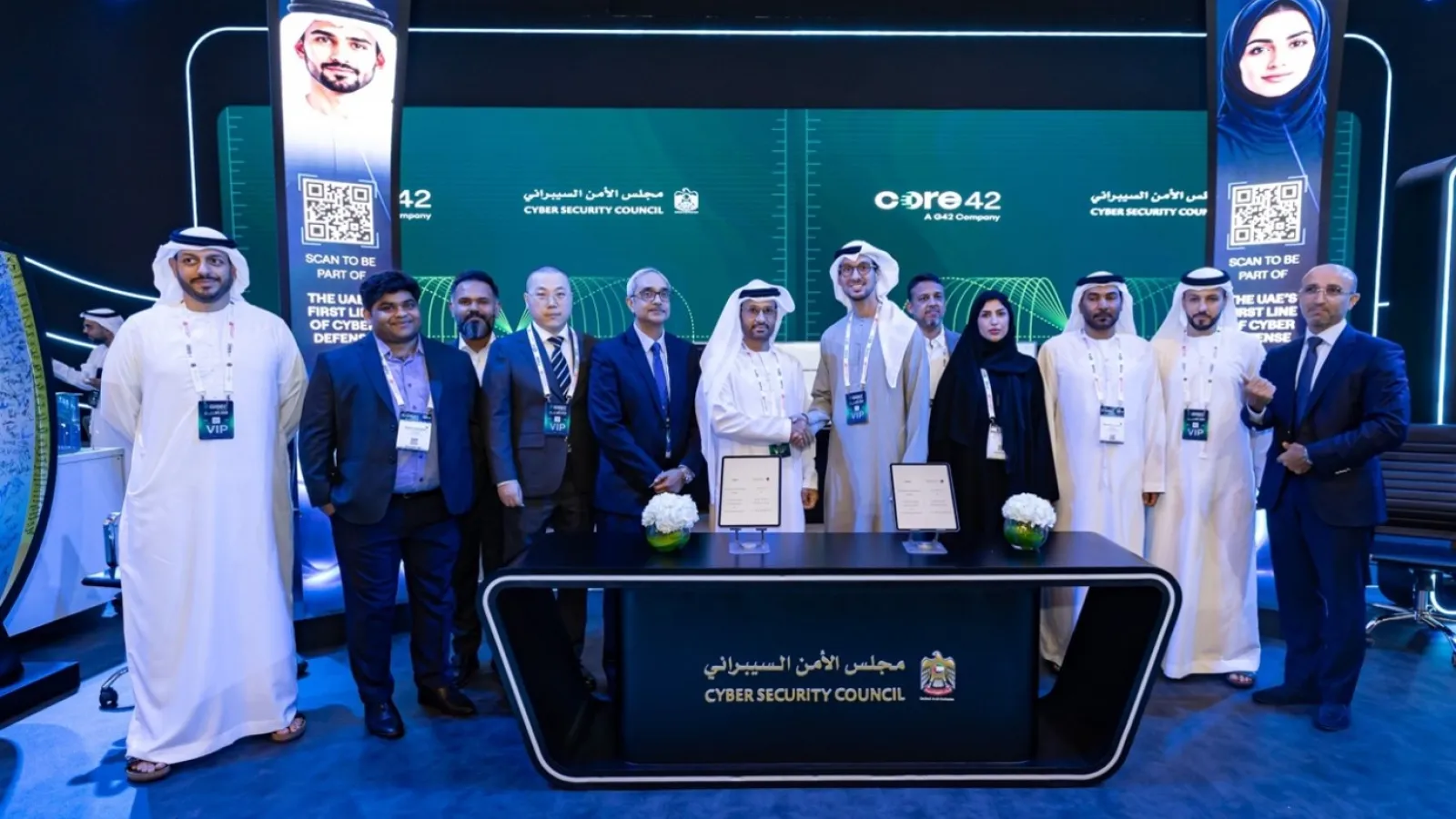
Core42, a subsidiary of Abu Dhabi-based G42, has signed a memorandum of understanding with the UAE Cyber Security Council (CSC) to develop and advance its Signature Sovereign AI Cloud platform. The agreement, signed at GISEC Global 2026 on 29 September, brings together Core42's existing Signature Private Cloud infrastructure and the CSC's national cybersecurity mandate to create an environment capable of handling Secret and Top-Secret government and AI workloads.
The signing took place in the presence of H.E. Dr. Mohamed Hamad Al Kuwaiti, Head of the UAE Cyber Security Council, and Talal M. Al Kaissi, Chief Executive Officer of Core42. Beyond the cloud platform itself, the MoU also covers cybersecurity knowledge exchange, threat awareness, technical collaboration and training programmes focused on emerging cyber risks and the resilience of sovereign cloud environments.
What the agreement covers
The Signature Sovereign AI Cloud platform is positioned by Core42 as a solution for government entities and regulated industries that require strict data sovereignty controls alongside modern AI capabilities. The two organisations will work together to define how the platform maps to the UAE's specific national security and sovereignty requirements, rather than applying a generic commercial cloud model.
Al Kaissi said: "For government and national security workloads, AI adoption is inseparable from the question of strict control. The data, infrastructure and operating environment must all meet clearly defined national requirements. This agreement gives us a practical route to translate those requirements into a clear plan for Signature Sovereign AI Cloud in the UAE."
The MoU does not disclose contract value, specific infrastructure specifications, named government customers, or a timeline for when the Signature Sovereign AI Cloud will reach operational readiness. Core42 and the CSC said they will define those parameters as part of the ongoing collaboration.
Market context and regional dynamics
Sovereign cloud has become one of the most actively contested segments in cloud infrastructure globally, as governments across the Middle East, Europe and Asia-Pacific move to insist that sensitive workloads run on nationally controlled infrastructure. In the Gulf region, the UAE has been among the most proactive in articulating a formal digital sovereignty framework, and G42's broad positioning across AI and cloud gives Core42 a structural advantage in competing for UAE public-sector mandates.
The broader competitive landscape includes hyperscalers such as AWS, Microsoft Azure and Google Cloud, all of which have launched dedicated sovereign cloud tiers targeting regulated sectors, alongside specialist sovereign-cloud vendors such as Thales and Outscale in Europe. The distinction Core42 is drawing rests on deep integration with the UAE's own cybersecurity governance bodies, which gives it a policy anchoring that foreign hyperscalers cannot easily replicate.
Regulatory read-across
The UAE Cyber Security Council was established in November 2020 to develop a national cybersecurity strategy and oversee the security of critical infrastructure. Its involvement in defining the Signature Sovereign AI Cloud's requirements effectively gives the platform a route to formal regulatory endorsement rather than mere commercial certification, a meaningful differentiator as AI workloads move from experimental to operational in government settings.
The EU AI Act's provisions around high-risk AI systems and the UK Government's Cyber Essentials framework provide a useful parallel: regulators globally are converging on the view that AI deployment in critical public-sector contexts must be governed from the infrastructure layer upward. Core42's approach of co-designing the platform with the national cybersecurity authority aligns with this regulatory direction of travel. The next milestone to watch is the publication of formal platform specifications and the announcement of a first named government customer.