
Kymeta wins DoD contract to add edge compute to Osprey u8 terminal
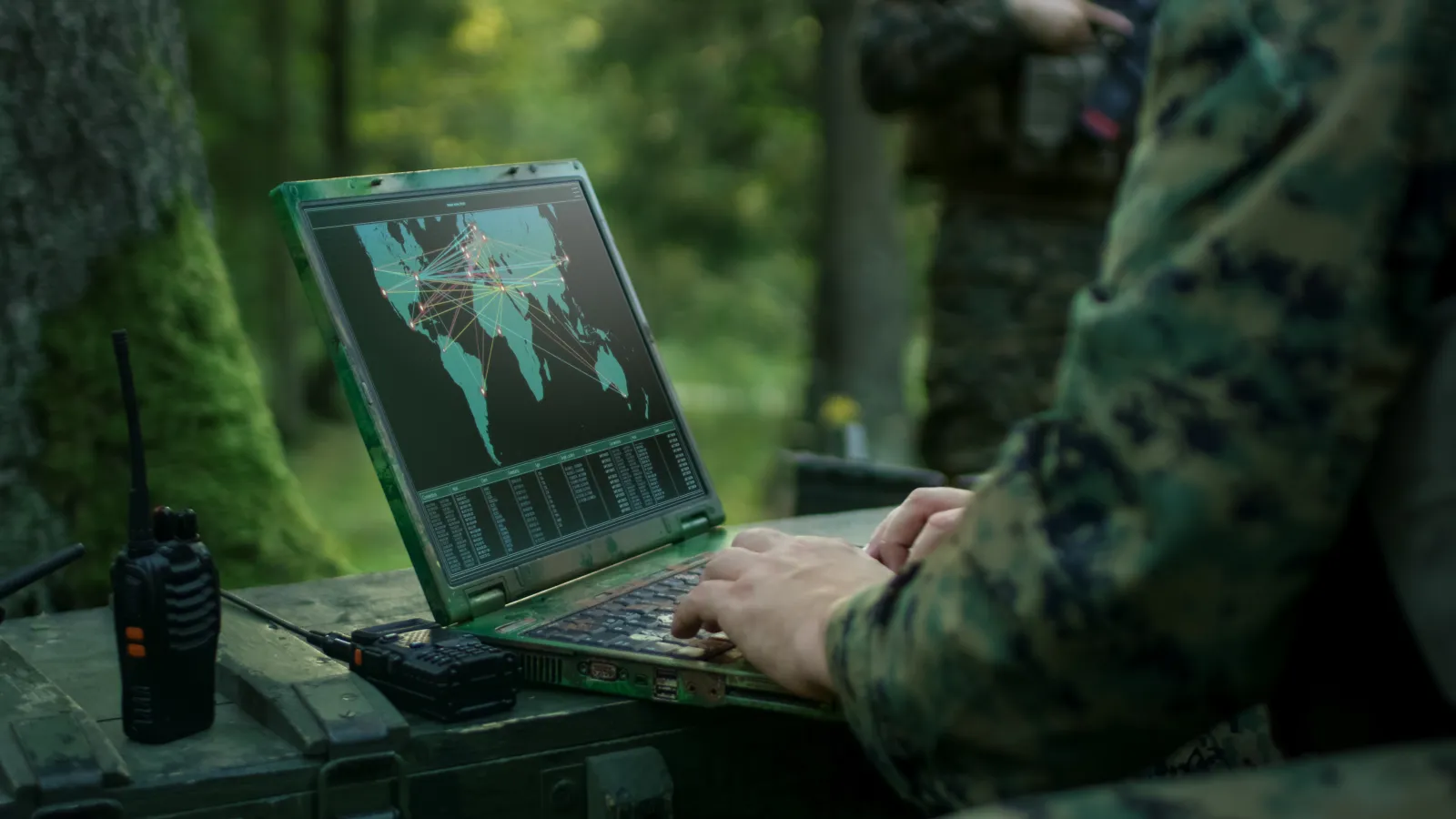
Kymeta, the Redmond, Washington-based satellite terminal manufacturer, has been awarded a contract by the US Department of Defense to develop an enhanced modular cartridge for its Osprey u8 antenna terminal. The cartridge will integrate edge compute, software-defined radio (SDR), and additional networking functions directly into the terminal's existing modular architecture, transforming what was a connectivity device into what the company describes as a multi-mission platform.
The contract value and period of performance were not disclosed in the announcement. Kymeta is a privately held company and does not publish revenue figures.
What the cartridge adds
The core engineering proposition is consolidation: by embedding compute and SDR within the Osprey u8 cartridge, Kymeta says users gain additional mission capabilities without bolting extra hardware onto vehicles or aircraft already carrying the terminal. The company highlighted RF Space Domain Awareness as an early application, which would allow operators to monitor the radio-frequency environment around satellite communications links, detect interference, and identify potentially anomalous signal activity.
Further software applications can be loaded onto the platform over time, which positions the cartridge as an upgradeable field asset rather than a fixed-specification unit. Manny Mora, chief executive of Kymeta, said the development "takes Kymeta beyond connectivity, allowing customers to process huge volumes of RF data quickly enough to identify signals, interference, patterns or potentially suspicious activity."
Market and competitive context
The contract sits within a broader US defence trend toward disaggregated, software-defined capabilities at the tactical edge. Programme offices across the Army, Marine Corps and Special Operations Command have been pushing suppliers to embed processing closer to the point of data collection, reducing latency and dependence on contested communications backhaul. Several defence-grade edge compute platforms from incumbents such as Curtiss-Wright, Mercury Systems and L3Harris already compete in adjacent ruggedised compute segments, though few combine ESA (electronically steered antenna) technology with embedded SDR in a single modular form factor.
Kymeta's metamaterial-based flat-panel antenna approach, backed by more than 150 patents the company cites, is differentiated from mechanically steered dishes and phased-array designs by its low-profile form factor and multi-orbit compatibility. The ability to serve LEO, MEO and GEO constellations from the same terminal has grown in strategic importance as the US military accelerates procurement from commercial LEO networks, including Starlink and planned government constellations.
The RF Space Domain Awareness application is particularly timely. Anti-satellite threats, GPS jamming and satellite communication spoofing have risen up the US military's priority list following activity in contested theatres. Embedding passive monitoring capability into terminals already deployed in the field is a cost-efficient way to expand situational awareness without a dedicated sensor procurement programme.
Standards and regulatory read-across
Defence edge compute programmes typically require compliance with US export-control regulations under ITAR and EAR, and Kymeta will need to ensure that any software-defined radio functions embedded in the cartridge do not create additional licensing or classification complications, particularly for international government customers the company also serves. The company's boilerplate notes it has US and international patents covering its electronically steered antenna designs, though international deployment of SDR-enabled terminals can trigger spectrum and cryptography certification requirements in each jurisdiction.
The next milestones to watch are a named delivery timeline for the enhanced cartridge, any follow-on production contract award, and whether the RF Space Domain Awareness capability is validated in a field demonstration or programme of record. Kymeta has not indicated when the upgraded cartridge will reach production readiness.