
Kyivstar and VEON sign MOU with Ukraine for sovereign AI data centre
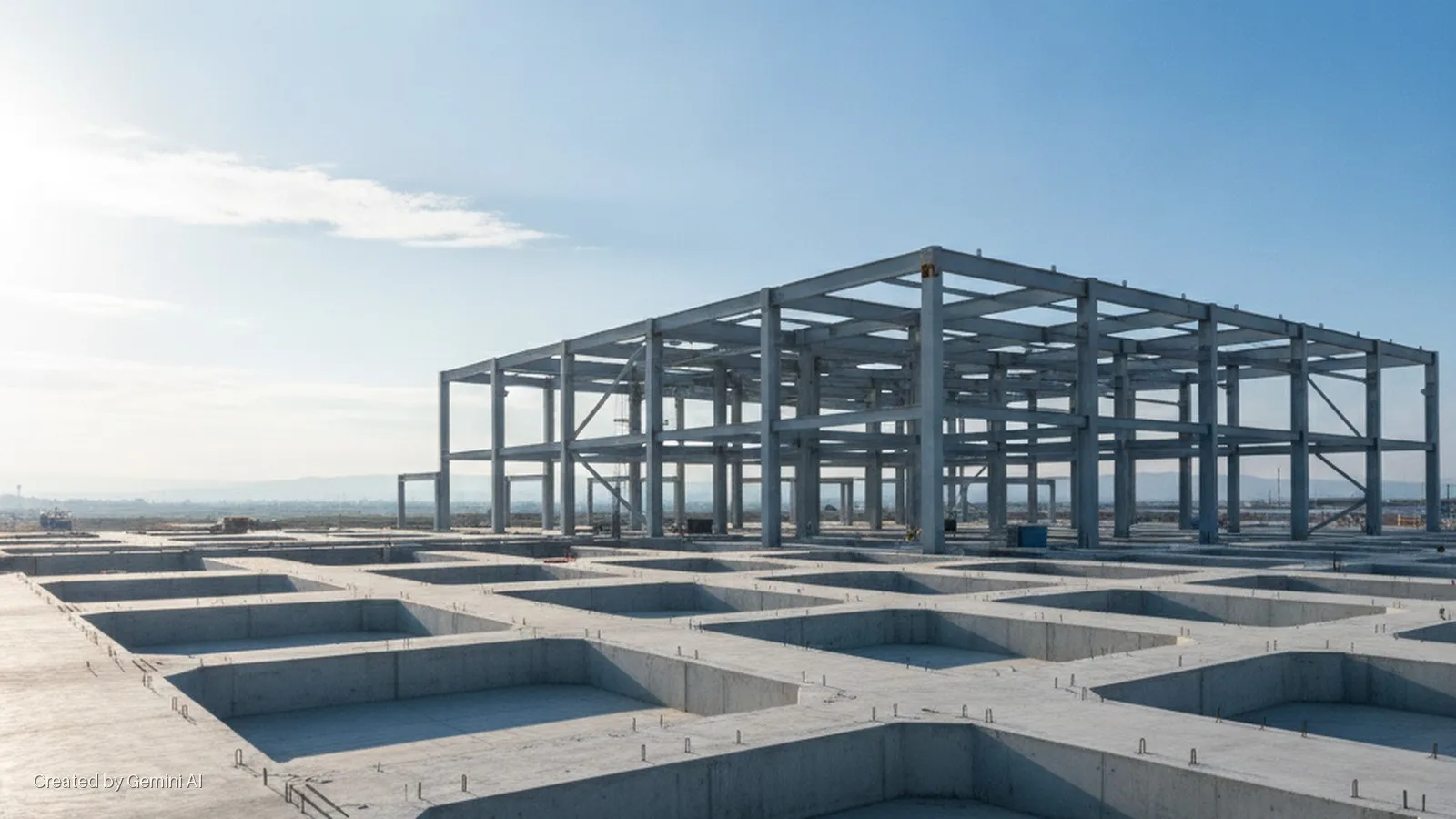
Kyivstar and its parent company VEON have signed a Memorandum of Understanding with Ukraine's Ministry of Economy to explore the development of a sovereign, AI-ready data centre on Ukrainian soil. The agreement was signed at the 2026 Ukraine Recovery Conference in Gdańsk, co-hosted by Poland and Ukraine, and signals both companies' commitment to the country's post-war digital reconstruction agenda.
The proposed facility would keep critical data processing and storage within Ukraine's borders, covering sectors including public administration, financial services, defence technology and research. Kyivstar's president, Oleksandr Komarov, said any investment would be phased within existing capital expenditure plans, offering some reassurance to investors watching the company's capital allocation. No construction timeline, capacity specifications, or financial commitment figures were disclosed in the MOU announcement.
The deal
Ukraine's Minister of Economy, Oleksii Sobolev, framed the initiative as central to the country's economic resilience. "We see strong potential in initiatives that enable secure, sovereign data processing capacity within the country, supporting both public sector modernisation and private sector innovation," he said.
VEON chief executive Kaan Terzioglu positioned the data centre as an extension of the group's AI1440 strategy, which aims to embed artificial intelligence across VEON's operations in five markets covering more than 150 million connectivity customers. Kyivstar itself serves more than 22 million mobile subscribers and over 1.2 million fixed broadband customers, giving it a substantial distribution base from which to monetise domestic AI compute capacity should the facility proceed.
The release acknowledged that the project will require long-term investment, advanced technical expertise, and a reliable energy supply. All three present meaningful constraints in the current Ukrainian context, given ongoing infrastructure challenges and grid instability associated with the conflict.
Market and regulatory context
The concept of sovereign AI infrastructure has gained considerable momentum across Europe and Central Asia as governments seek to limit dependence on US and Chinese hyperscaler capacity. The EU's European Cloud and AI Infrastructure strategy, alongside bilateral data-residency requirements in several Central and Eastern European markets, has accelerated demand for in-country compute. Ukraine's ambition to join the EU adds a further regulatory dimension: alignment with EU data-governance frameworks, including GDPR and the EU AI Act's general-purpose AI provisions, will be a prerequisite for any facility seeking to serve both public and private-sector clients across the bloc.
For VEON and Kyivstar, the strategic rationale is clear. Telecoms operators across emerging markets are increasingly pursuing data-centre and edge-compute assets as a hedge against declining average revenue per user in core connectivity. Establishing a sovereign AI data centre would position Kyivstar as infrastructure-layer provider in Ukraine's digital economy, a role with higher margins and longer contract durations than consumer mobile services.
What comes next
The MOU is exploratory rather than a binding commitment. Kyivstar has expressed an intention to investigate investment; no site, vendor partner, hyperscaler co-location arrangement, or government grant structure has been announced. The involvement of strategic investors alongside the government is cited as necessary, suggesting the company is not planning to fund the facility unilaterally from its balance sheet.
Observers will watch for a follow-on announcement naming anchor tenants, technology partners, or a capacity target, any of which would signal that the project has moved from political commitment to operational planning. Ukraine's inclusion in the 2026 recovery conference agenda, alongside continued international donor engagement, provides a supportive backdrop for attracting the foreign direct investment such a facility would require.