
Firefly and SSC Space advance Esrange orbital pad to 2028 launch
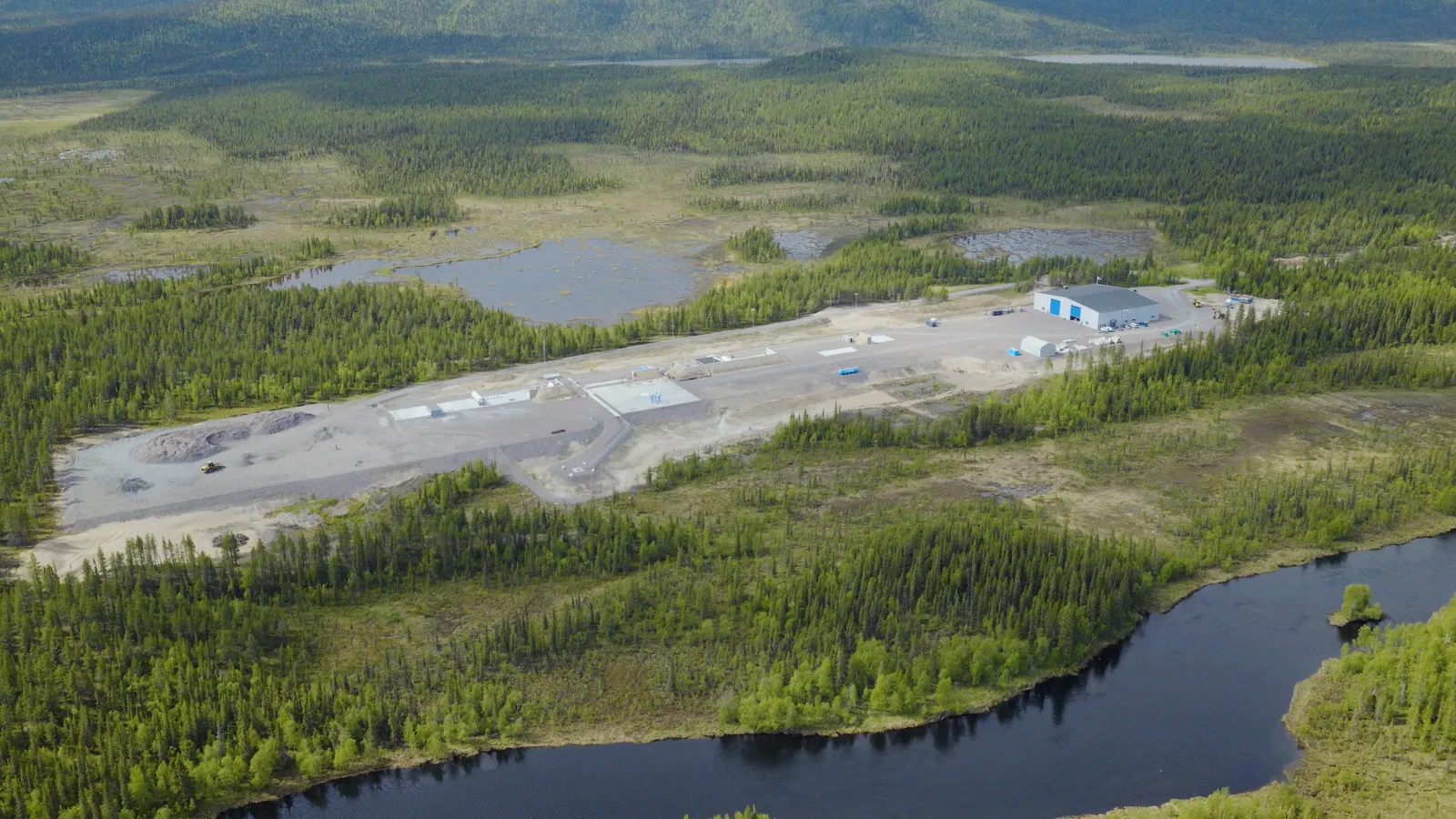
Firefly Aerospace and SSC Space have reached a series of construction and regulatory milestones at Launch Complex 3C, Esrange Space Center, Sweden, with first orbital launch now targeted for 2028. The companies said final pad construction is under way, following completion of a launch control centre, payload processing facility, launch vehicle integration building, tracking and control systems, and security and storage facilities.
The complex is built to support Firefly's Alpha rocket, a two-stage small-lift vehicle rated at 1,000 kg to low Earth orbit. Esrange's location roughly 200 kilometres north of the Arctic Circle gives the pad natural access to sun-synchronous and polar orbits, which are in high demand for both commercial Earth-observation constellations and national-security payloads.
The regulatory framework
Two significant transatlantic agreements underpin the launch programme. A Memorandum of Cooperation between the Swedish National Space Agency and the US Federal Aviation Administration, signed in April 2026, streamlines launch licensing and establishes a shared regulatory baseline for American rockets operating from Swedish soil. Sweden has also signed a Technology Safeguards Agreement with the United States, making it only the sixth country to do so. The TSA provides the legal framework for exporting controlled US space technology to Sweden while protecting sensitive technical data.
On the commercial side, SSC Space has signed a SEK 209 million contract with the Swedish Defence Materiel Administration (FMV), giving the Swedish Armed Forces the ability to launch their own satellites from Esrange using the Alpha vehicle.
Firefly chief executive Jason Kim framed the partnership in terms of the company's broader "launch as a franchise" model. "We're proud to partner with SSC Space and work collaboratively with US and Swedish agencies to provide European customers with a dedicated orbital launch capability using our flight-proven Alpha rocket," he said. SSC Space chief executive Charlotta Sund added that an orbital launch capability from mainland Europe would strengthen the continent's "resilience and strategic autonomy within the defence domain."
Market context
Europe's orbital launch market is at an inflection point. The retirement of Ariane 5 and the troubled development path of Ariane 6 created a window for new entrants, which a number of providers have moved to fill. Rocket Lab's Neutron vehicle and various sovereign micro-launcher programmes across the UK, Germany and Spain are all competing for the same pool of European institutional and commercial customers. Esrange's high-latitude advantage is a genuine differentiator for polar and sun-synchronous mission profiles, though the 2028 target means Firefly and SSC will face a more mature competitive field than exists today.
The FMV contract is meaningful as a validated anchor customer and provides revenue certainty for the pad build-out. Whether it generates sufficient margin to justify the full capital expenditure of establishing a new orbital launch site in northern Sweden will depend on follow-on commercial bookings that the companies have not yet disclosed.
The dual regulatory track, combining FAA licensing alignment with TSA controls, also signals that Esrange is being positioned partly as a NATO-aligned launch corridor, which could attract further defence-related demand from European allies seeking resilient, non-Russian launch options. That strategic dimension may prove as commercially significant as the civil satellite market.