
Quantinuum signs MOU with Aramco to explore quantum energy use cases
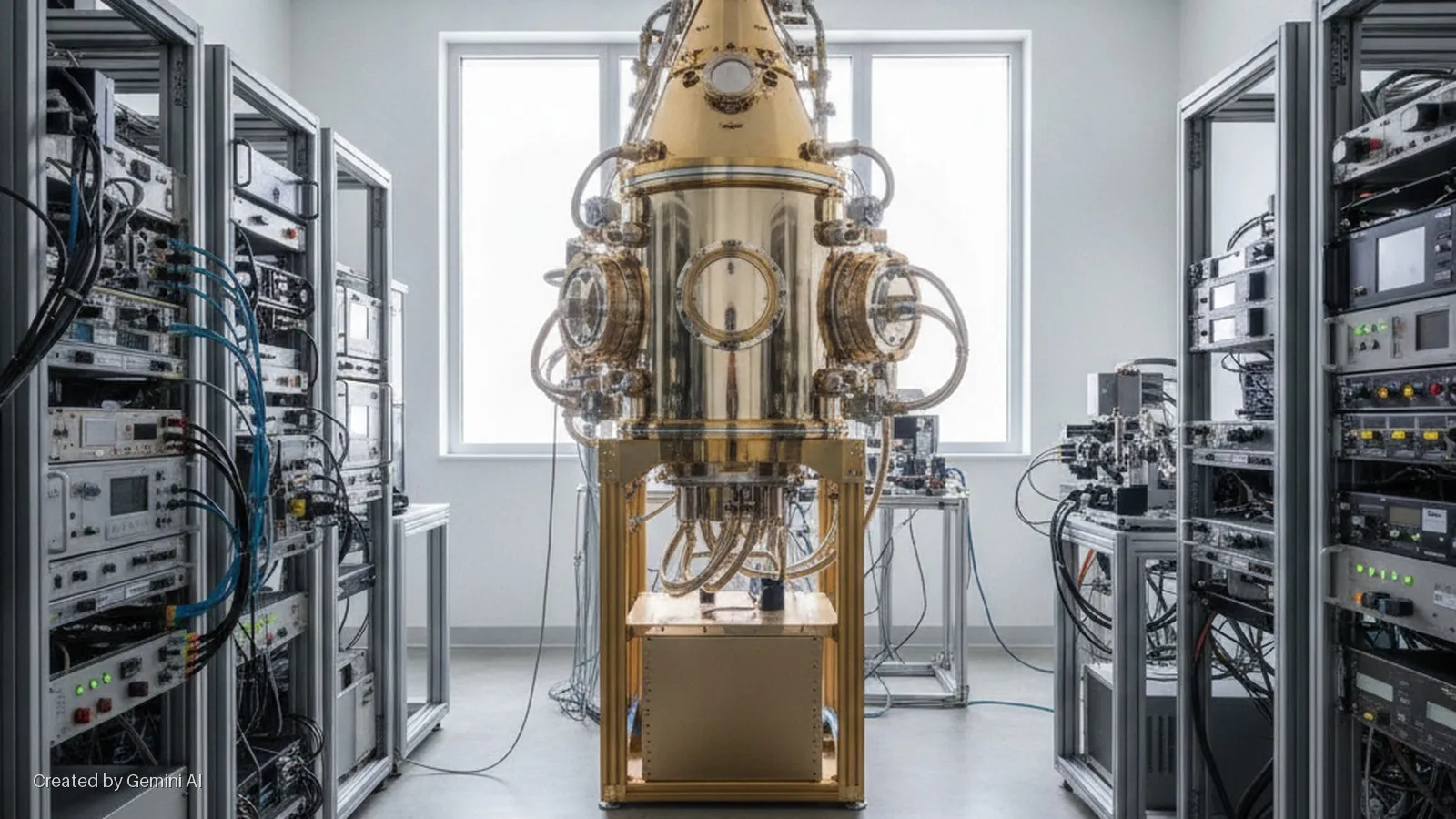
Quantinuum has signed a non-binding memorandum of understanding with Aramco to explore how quantum computing might address scientific and operational challenges in the energy industry. The agreement, announced on 3 September 2026, sets out a framework for technical onboarding, knowledge exchange, and the identification of Aramco use cases suitable for quantum research, with an eye towards a deeper fault-tolerant computing collaboration in later phases.
The MOU does not commit either party to a commercial contract, funding arrangement, or defined research programme. Under the terms as disclosed, the two organisations will benchmark different quantum computing modalities against Aramco challenges, with an emphasis on complex problems in energy operations and digital transformation.
What the collaboration covers
Quantinuum brings a full-stack trapped-ion platform built on what it describes as a QCCD architecture, and reports the highest average two-qubit gate fidelity in the sector as of December 2025, based on its own metrics. The company has not provided an independent third-party audit of that benchmark claim in this release. Aramco, one of the world's largest integrated energy and chemicals companies by production, has been publicly developing a quantum computing roadmap for the energy industry and positions this MOU as complementary to existing internal initiatives.
Rajeeb Hazra, President and CEO of Quantinuum, said: "Organisations that expect to benefit from quantum computing need to begin developing their expertise, algorithms and workflows today." He characterised the agreement as building "a strong foundation for research across future generations of quantum computing" by combining Aramco's domain knowledge with Quantinuum's hardware and software capabilities.
Market context and competitive landscape
Quantum computing partnerships with large industrial customers have accelerated over the past two years as vendors seek to establish early-adopter relationships ahead of fault-tolerant hardware maturity. Aramco joins a cohort of energy and chemicals majors, including ExxonMobil and BASF, that have disclosed quantum-exploration partnerships with a range of platform vendors.
Quantinuum competes principally in the trapped-ion segment alongside Quantinuum rival IonQ and the Quantinuum-adjacent Honeywell lineage, while the broader market includes superconducting-system vendors such as IBM and Google, and neutral-atom players including QuEra and Atom Computing. Each architecture presents distinct trade-offs in qubit count, gate fidelity, and operational temperature requirements. Energy sector use cases under active exploration across the industry include molecular simulation for materials discovery, portfolio optimisation for refinery scheduling, and quantum-enhanced sensing for reservoir characterisation.
Regulatory and standards read-across
The announcement is geographically significant: Quantinuum has existing facilities in the United States, United Kingdom, Germany, Japan, Qatar, and Singapore, and this MOU extends its presence into the Saudi Arabian market. Technology transfer involving quantum hardware and software in cross-border research contexts may be subject to US Bureau of Industry and Security export-control review, particularly as fault-tolerant quantum systems approach capabilities relevant to national security applications. Neither party addressed export-control compliance or data-sovereignty arrangements in the release.
The MOU framework will be tested by near-term milestones. Progress will be visible primarily through the identification and publication of specific Aramco use cases, results from modality benchmarking exercises, and any future announcement of a binding research agreement. Quantinuum has active engagements across pharmaceuticals, materials science, financial services, and government sectors, and an Aramco collaboration would represent one of its highest-profile industrial energy partnerships to date.