
Applied Materials adds UCLA Samueli as EPIC Center research partner
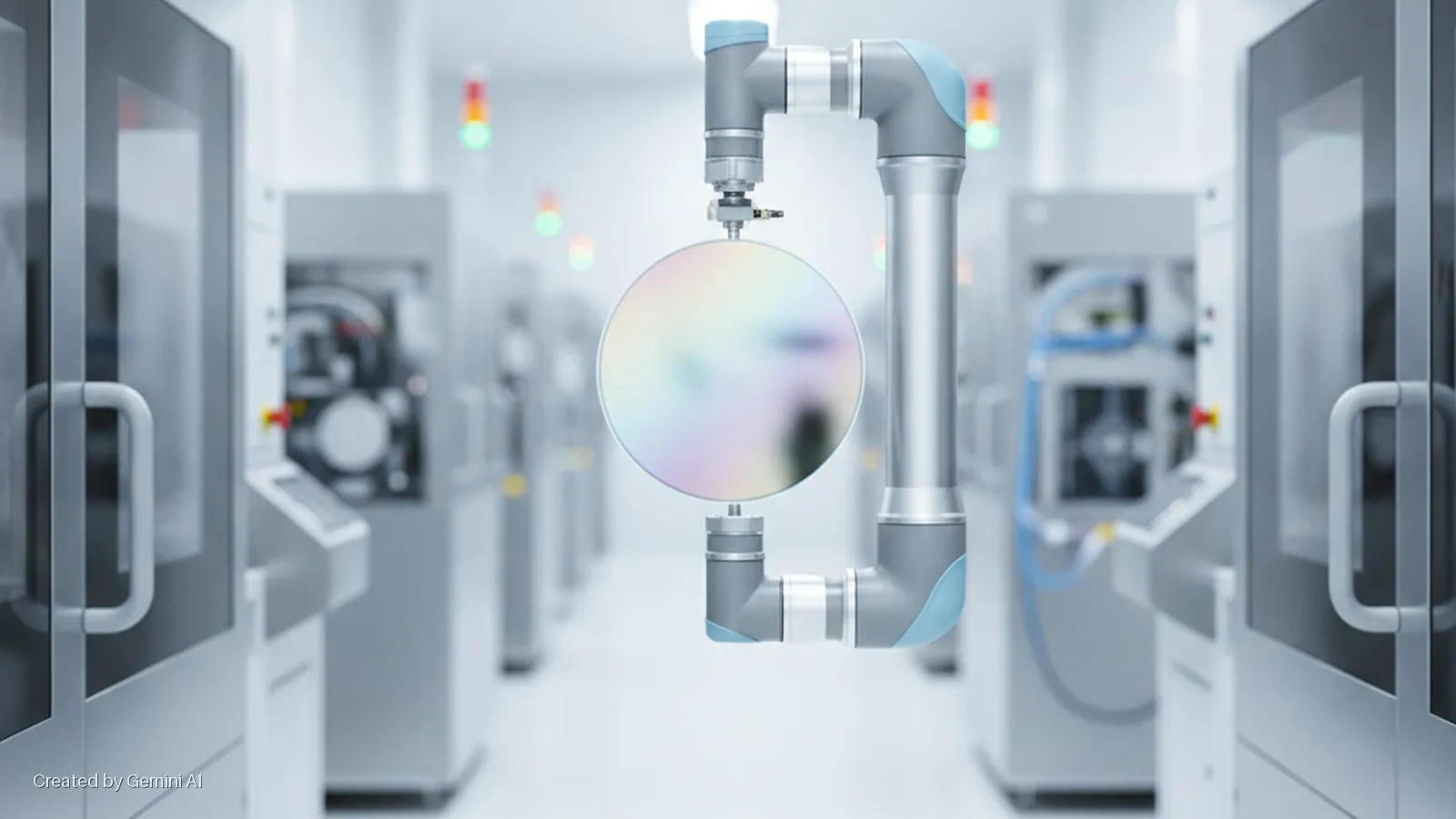
Applied Materials has announced that the UCLA Samueli School of Engineering will join its EPIC (Equipment and Process Innovation and Commercialization) Center in Silicon Valley as a formal research partner. The collaboration is designed to compress the timeline between early-stage semiconductor research and commercial-scale chip manufacturing, with joint programmes targeting 3D chip scaling, advanced packaging and new materials for energy-efficient AI compute.
UCLA researchers will gain hands-on access to Applied's advanced chipmaking equipment, allowing concepts developed in an academic setting to be validated in a near-commercial fab environment. The arrangement builds on an existing relationship: Applied joined UCLA's Semiconductor Hub as a co-founding member earlier in 2026.
The deal
Prabu Raja, President of the Semiconductor Products Group at Applied Materials, said the EPIC Center is intended to "convene the industry's top innovators in a collaborative environment designed to accelerate the path from breakthrough research to full-scale manufacturing." The statement did not disclose any financial terms, research funding commitments or target timelines for specific deliverables.
UCLA Samueli brings relevant institutional depth to the arrangement. The school hosts the Center for Heterogeneous Integration and Performance Scaling (CHIPS) Lab, which conducts cross-disciplinary research into chip design, manufacturing and integration. The school's historical ties to the semiconductor industry are well established: Broadcom co-founder Henry Samueli was a faculty member at UCLA when he launched the company in 1991.
Alissa Park, Dean of UCLA Samueli, framed the collaboration as a response to the intensifying pace of AI-driven chip development. "Accelerating semiconductor innovation in the new era of AI requires transformative collaboration between universities and industry partners more than ever before," she said.
Market context
The partnership reflects a broader shift in how leading chipmaking equipment vendors are engaging with academia. As AI workloads place mounting pressure on chip architects to deliver more performance per watt, the materials and process innovations required to maintain scaling trajectories have grown increasingly complex and capital-intensive. University research groups, which often operate with greater freedom to explore unconventional materials and device structures, have become attractive complements to in-house R&D.
Applied Materials describes the EPIC Center as the largest-ever US investment in advanced semiconductor equipment R&D. The facility is on track to become operational in 2026, according to the company, though it has not published a specific commissioning date or capacity figures. The centre is designed to host multiple external research partners alongside Applied's own scientists.
The competitive landscape for semiconductor R&D partnerships is active. TSMC, Intel and ASML each run collaborative research programmes with leading universities in the US, Europe and Asia. US government initiatives under the CHIPS and Science Act have also incentivised industry-academia tie-ups, with the NSTC (National Semiconductor Technology Center) explicitly designed to bridge the gap between academic discovery and commercial fabrication. Applied's EPIC model positions the company to capture talent pipelines and co-develop IP in areas such as gate-all-around transistor materials, back-side power delivery and heterogeneous integration, all of which are critical to next-generation node roadmaps.
The near-term milestones to watch are the EPIC Center's formal operational launch, the publication of any joint research outputs, and whether additional academic institutions are announced as partners in the coming months.