
Applied Materials unveils SENZ integrated optics for smart glasses
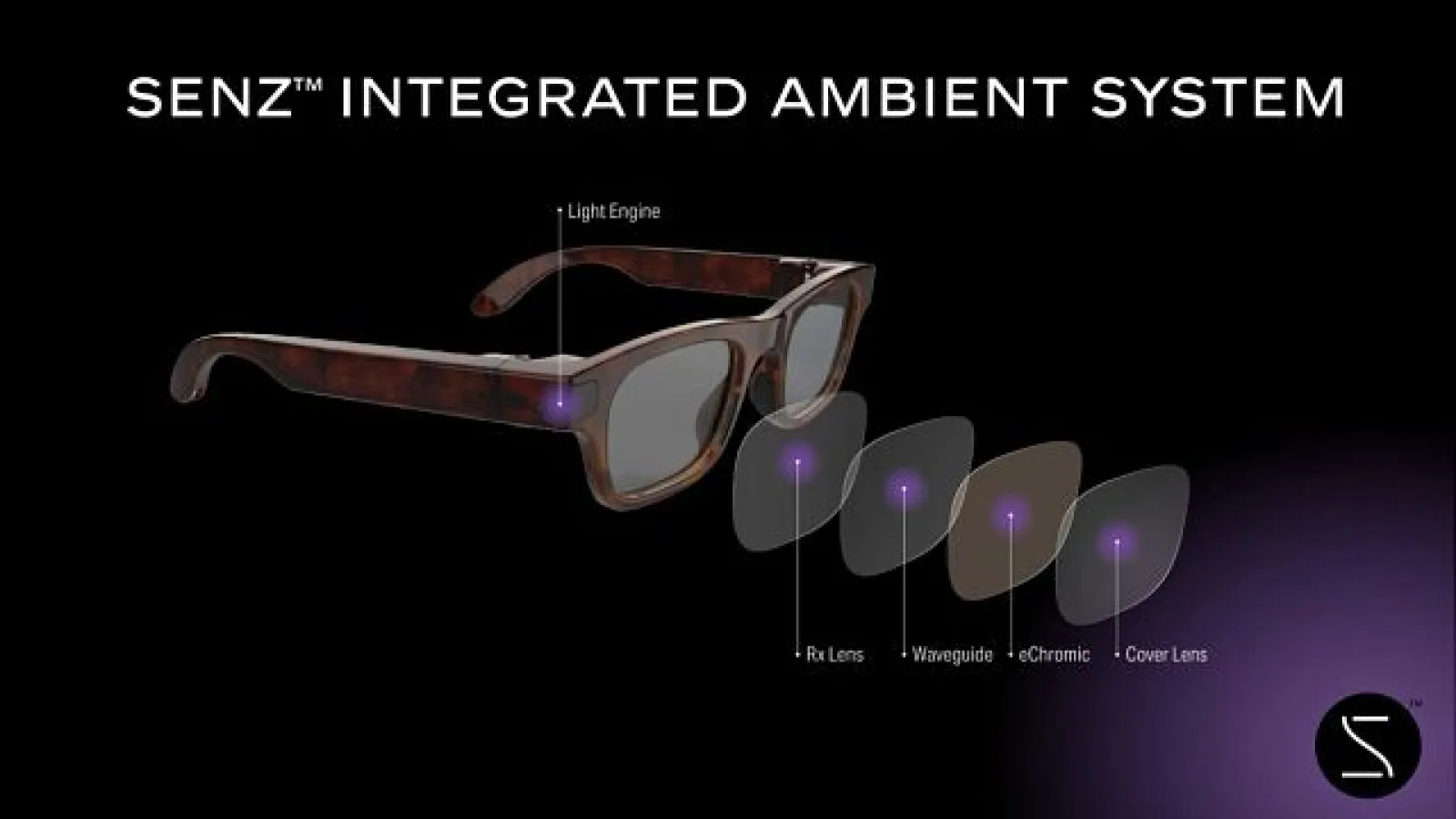
Applied Materials has unveiled SENZ, an integrated ambient visual platform designed to bring together waveguide optics, a light engine, sensing, vision correction and electronic dimming into a single system for AI-powered smart glasses. The Nasdaq-listed semiconductor equipment maker says the platform is intended to cut time-to-market and reduce manufacturing complexity for brand partners building next-generation augmented reality eyewear.
The release of SENZ marks a notable strategic extension for Applied Materials beyond its core materials engineering and chip-fabrication equipment business. The company is positioning SENZ as a co-optimised solution that eliminates what it describes as the fragmented supply chains that have historically held back the smart glasses market.
The platform and its partners
Three named partnerships underpin the commercial launch. Applied Materials has entered a strategic collaboration with GlobalFoundries to produce SENZ waveguides at scale using GF's high-volume fabrication facility in Singapore. A separate collaboration with Qualcomm Technologies, operating under the Snapdragon START programme, is intended to support AI-driven processing for next-generation eyewear designs. A joint development agreement with EssilorLuxottica, the world's largest optics and eyewear group, targets commercialisation of intelligent optical systems for augmented reality.
Paul Meissner, Vice President and General Manager of Applied Materials' Photonics Platforms Business, said the company was "building on Applied Materials' tradition of delivering advanced technology solutions at scale" to help customers "get to market faster with exciting experiences." No specific shipment volumes, pricing tiers or customer revenue commitments were disclosed in the release.
Market context and competitive landscape
The smart glasses and augmented reality display market has attracted substantial industrial investment over recent years, with Meta's Ray-Ban collaboration and several Asian consumer electronics manufacturers already shipping audio-first or camera-first form factors. The harder engineering challenge, delivering high-fidelity AR optics in a socially acceptable form factor at manufacturable cost, remains largely unsolved at volume. Applied Materials is entering as a platform supplier rather than a finished-goods brand, a model that parallels how Qualcomm positions its chipset reference designs in mobile.
The waveguide supply chain is a recognised bottleneck. Most AR waveguide production today relies on a small number of specialised fabs, and the GlobalFoundries Singapore agreement is a meaningful signal that Applied Materials intends to bring semiconductor-scale discipline to a process that has historically been closer to precision optics manufacturing. Whether that translates to genuine cost reductions for brand partners will depend on yield rates and volumes that Applied has not yet disclosed publicly.
Regulatory and standards read-across
Smart glasses carrying camera, sensing and AI inference capabilities face a growing body of regulatory scrutiny in both the EU and UK. The EU AI Act's obligations on real-time remote biometric identification and general-purpose AI components will be relevant to any SENZ-based product sold into European markets, and brand partners will need to navigate national privacy laws governing always-on sensing hardware. Applied Materials has not addressed regulatory compliance pathways in this release.
The EssilorLuxottica partnership adds a prescription optics dimension that may also attract CE-marking and medical-device classification questions in some jurisdictions, depending on how vision correction features are positioned commercially. These are risks the brand-partner community will need to factor into product development timelines alongside the technical promise of the SENZ platform.