
One Stop Systems wins $8.4m defence contract for AI edge servers
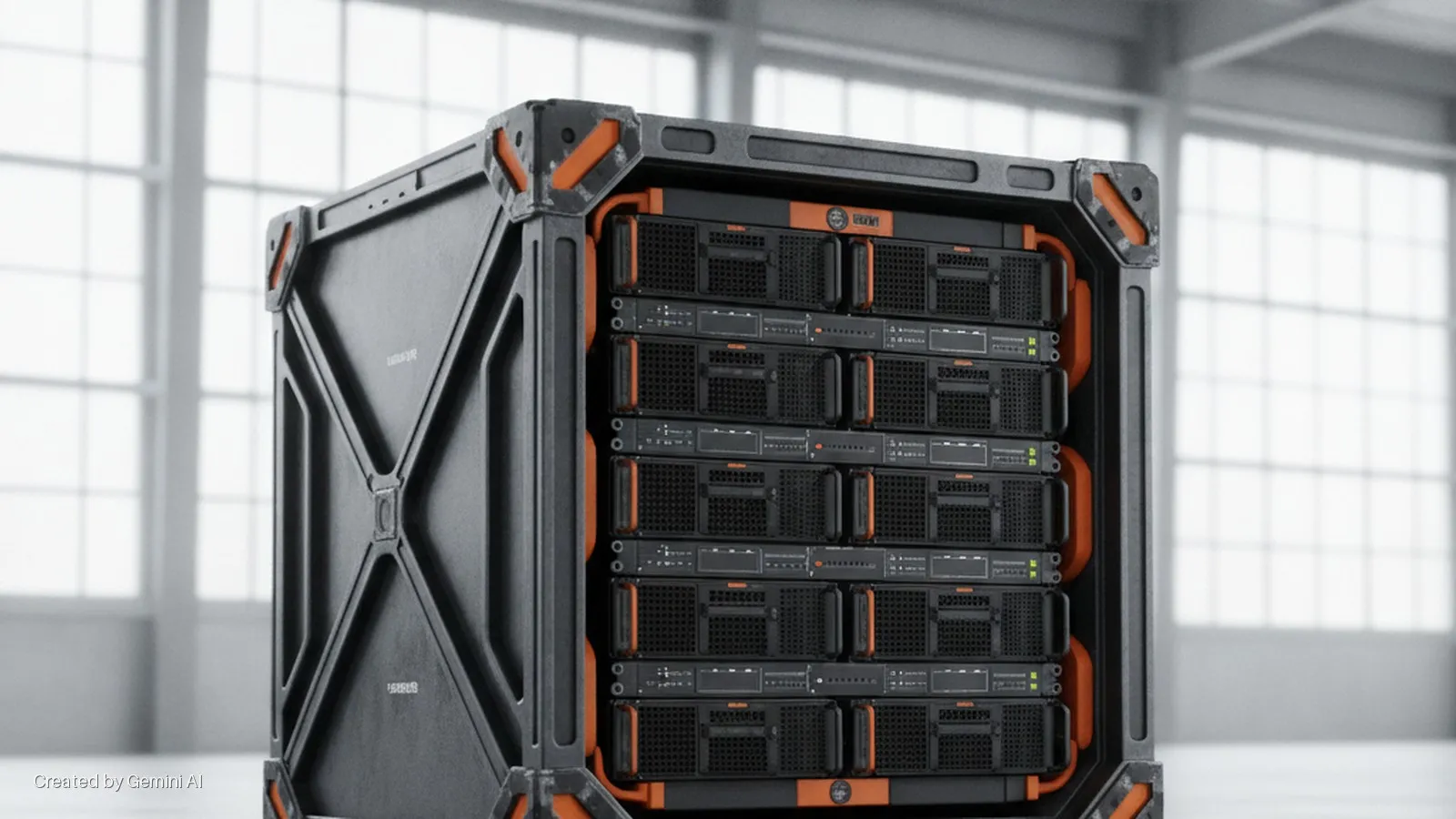
One Stop Systems (Nasdaq: OSS) has secured an $8.4 million initial contract from an unnamed prime defence and technology solutions company to supply 91 high-performance 3U short-depth servers (SDS). First shipments are expected to begin this year, with deliveries set to contribute to revenue across 2026. The Escondido, California-based hardware vendor says the broader platform programme could generate approximately $44 million in total revenue over the following four years, subject to customer orders, continued programme funding and government appropriations.
The 3U SDS units are purpose-built for processing large volumes of signal surveillance data at the edge, converting raw sensor inputs into real-time situational awareness for defence operators. The platform combines a compact 20-inch depth form factor with removable NVMe storage canisters and a secure single-command data-erase capability, features designed to meet the physical and security requirements of space-constrained, data-sensitive environments. OSS described the hardware as aimed at low-band signal surveillance, though the specific programme and end-operator were not disclosed in the release.
The deal
Mike Knowles, president and chief executive of OSS, said the award extends a relationship that has now produced multiple programme wins with the same prime contractor over the past two years. "Over the past two years we have added multiple new programs with this prime defense customer, which we believe reflects the value of our technology and engineering capabilities," Knowles said, pointing to the contract as evidence of OSS's strategy to deepen its presence in next-generation US Department of Defense initiatives.
The $44 million potential figure carries meaningful caveats. OSS's own forward-looking-statement language acknowledges risks including programme modification or termination, delays in orders, and the availability of congressional appropriations, all routine but real risks in defence hardware supply chains. The initial $8.4 million represents a fraction of that ceiling value, and the remainder is contingent on follow-on orders that have not yet been placed.
Market context
The rugged edge-compute market sits at the intersection of two durable defence spending trends: the push to move AI inference closer to sensor platforms (reducing latency and communications bandwidth requirements) and ongoing investment in signals intelligence infrastructure. OSS competes in a niche but growing segment alongside specialist vendors including Mercury Systems, Curtiss-Wright and a number of OEM-configured hyperscaler hardware derivatives adapted for mil-spec environments.
What distinguishes the pure-play rugged-compute vendors from adapted commercial hardware is typically the combination of shock, vibration and thermal tolerances, combined with secure data-handling features such as the rapid-erase capability OSS highlighted here. As AI workloads move further toward the tactical edge, whether on aircraft, ships or ground vehicles, demand for compact, high-density compute with those characteristics is expected to grow. Several US defence programmes tied to distributed sensing and signals analysis have seen multi-year budget lines protected in recent appropriations cycles, providing relative programme stability for qualified suppliers.
Regulatory and export read-across
Defence hardware of this type falls under International Traffic in Arms Regulations (ITAR) and, depending on component sourcing, the Export Administration Regulations administered by the US Bureau of Industry and Security. OSS's own risk disclosures reference compliance with applicable export-control requirements as a standing obligation. The company sells directly and through global distributors, which means export-classification discipline across the channel will be material to any future international programme wins beyond the US DoD customer base.
OSS reported it has delivered hardware for autonomous trucking, agricultural and airborne applications alongside its defence work, and the company positions its SDS platform as applicable across that full range. Investors will look for named follow-on orders and a programme update when OSS next reports quarterly results.