
SEALSQ wins EPO patent for hardware-anchored NFT provenance
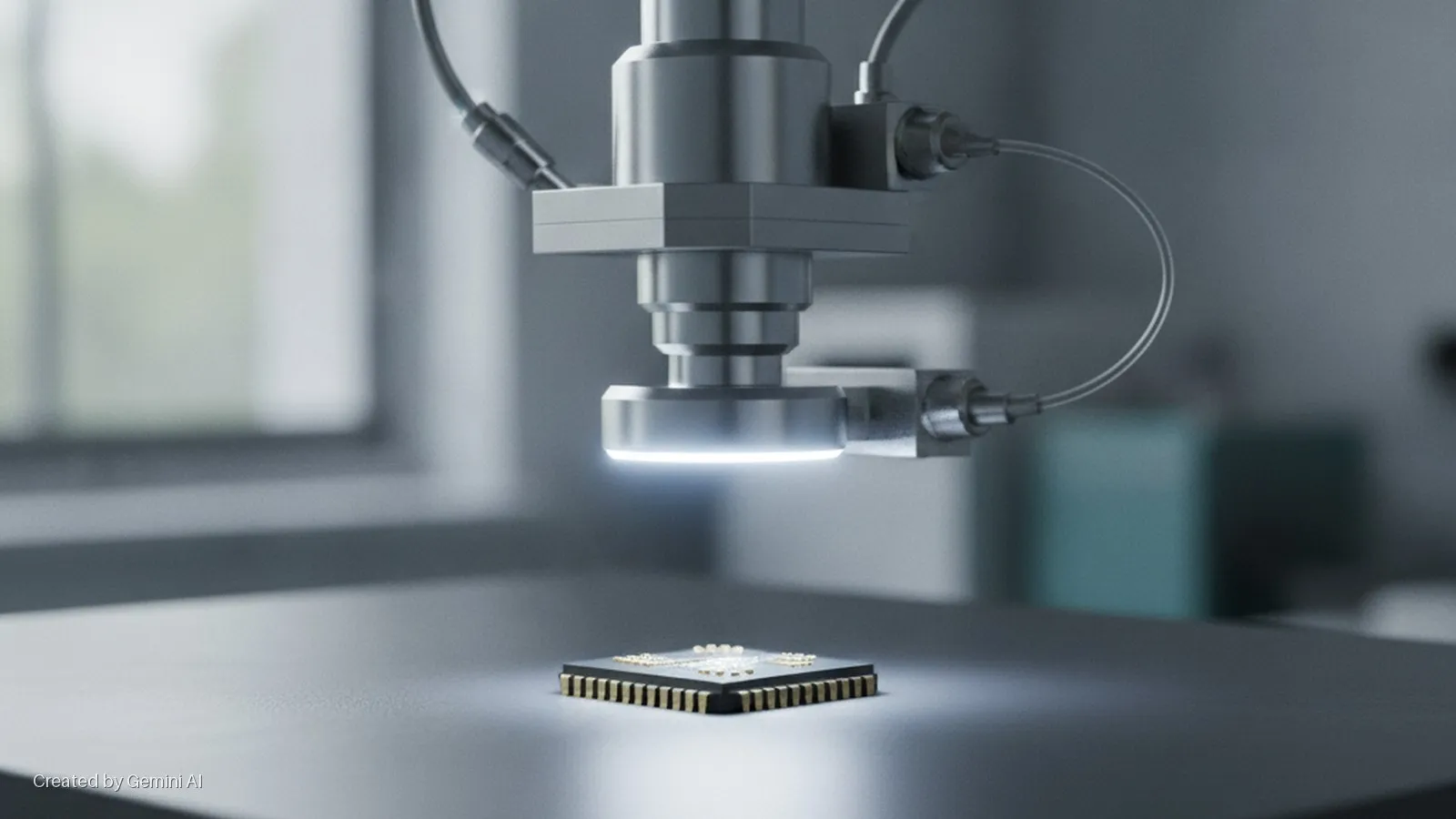
SEALSQ Corp (NASDAQ: LAES) has been granted a divisional patent by the European Patent Office covering its "Back-to-Physical" NFT technology, which provisions non-fungible tokens directly into tamper-proof semiconductor chips. The Geneva-based company says the grant underpins WISe.ART, a digital art marketplace operated within the WISeKey group, which the company now positions as the first art platform to offer provenance guarantees backed by a granted European patent.
The patent covers the method by which an NFT is cryptographically embedded into a SEALSQ secure microcontroller physically associated with an artwork. The company says this creates an ownership and authenticity record that is verifiable without relying on a centralised server or third-party database, and which it describes as resistant to quantum-era cryptographic attacks through the use of post-quantum algorithms. The portfolio now spans a Swiss priority filing from October 2021, the newly granted EPO patent (EP 4174706 A1), and a US application still pending at the USPTO.
What the technology does
Under the WISe.ART model, a certified artwork carries a SEALSQ microcontroller that serves as its physical certificate. Creation details, ownership history, exhibition records and valuation events are stored as a Digital Product Passport that travels with the piece through sales, estate transfers and institutional loans. The company says the architecture is secured using post-quantum cryptography, meaning authentication does not depend on RSA or elliptic-curve algorithms that future quantum computers could threaten.
Carlos Moreira, chairman and chief executive of SEALSQ, said: "For the first time, collectors, institutions, and artists have access to provenance that is not only blockchain-recorded but silicon-sealed, post-quantum secured, and independently verifiable without any centralised authority."
SEALSQ also cited a broader commercial licensing opportunity, pointing to the luxury goods, collectibles and cultural heritage markets as candidate categories for the Back-to-Physical NFT approach. The company claims the global art market transacts approximately $65 billion annually, though it did not disclose current WISe.ART transaction volumes, number of certified works, or named institutional customers.
Market and regulatory context
The art authentication market has attracted several technology approaches in recent years, from conventional blockchain certificates to radio-frequency identification tags and optical fingerprinting. The claim that a hardware-rooted approach is categorically more durable than software-only NFT platforms is technically coherent, but the commercial case depends on whether galleries, auction houses and collectors adopt the accompanying chip-embedding workflow at meaningful scale. SEALSQ has not disclosed any signed distribution partnerships with major auction houses or gallery groups.
On the regulatory side, the European Commission's Digital Product Passport initiative, which forms part of the Ecodesign for Sustainable Products Regulation, is expected to extend mandatory DPP requirements progressively across product categories. High-value goods and cultural assets are not yet in scope, but SEALSQ's framing of WISe.ART as "compliant by design" anticipates that trajectory. Separately, the EU AI Act and the broader digital identity framework under eIDAS 2.0 are shaping how trust and authenticity infrastructure is certified across the single market, creating a regulatory tailwind for vendors with certified root-of-trust credentials.
WISeKey, the parent group, reports more than 1.6 billion microchips deployed across IoT sectors and has operated its OISTE-anchored public key infrastructure for over two decades, giving SEALSQ a credible manufacturing and PKI baseline. Whether the art market, historically slow to adopt standardised authentication technology, will integrate silicon-level provenance at scale remains the central commercial question the company has yet to answer with customer evidence.