
XMax to acquire vertical GaN power semiconductor firm Hexa Creation
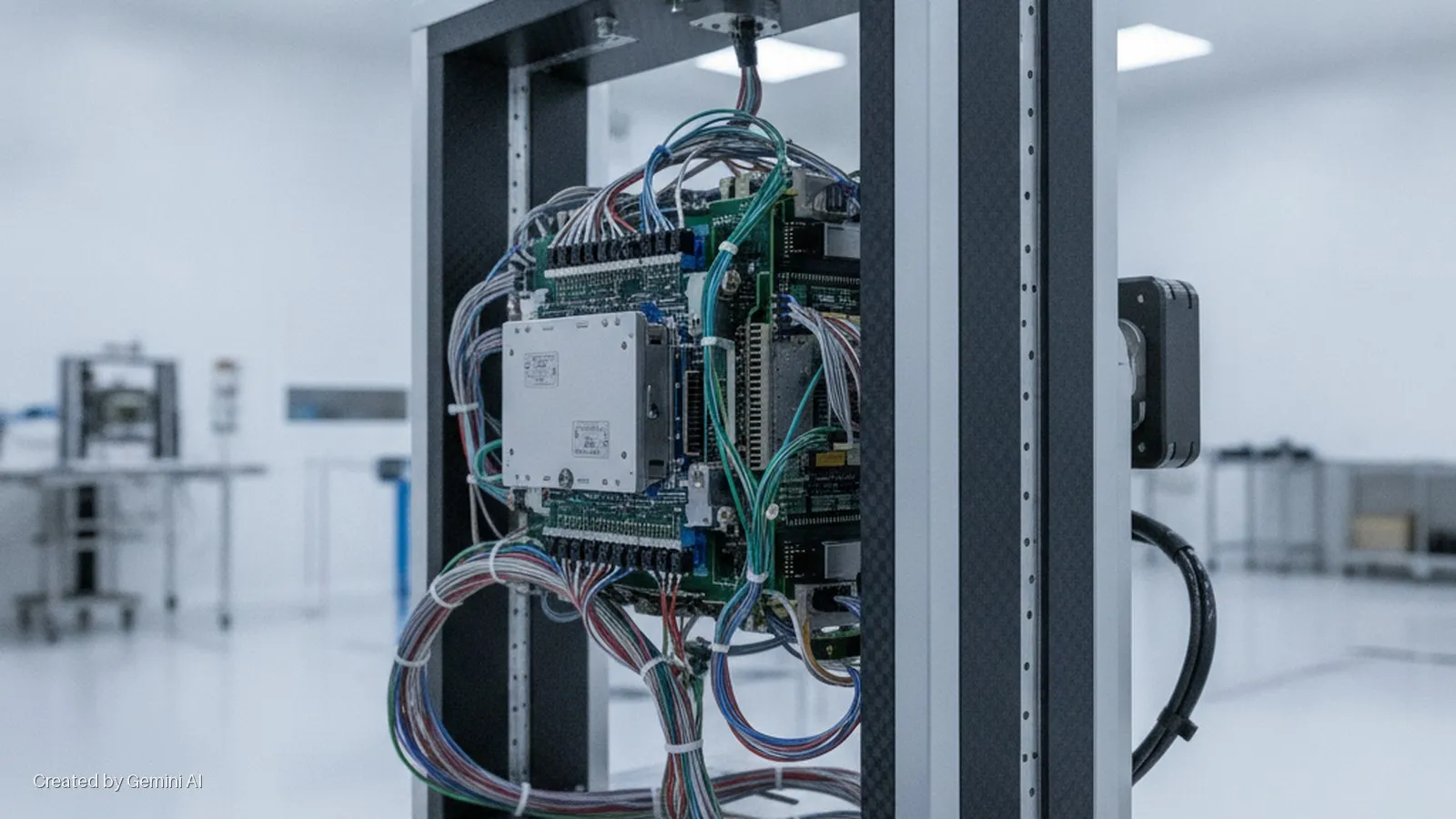
XMax Inc. (NASDAQ: XMAX), a California-based company that operates across furniture distribution and AI software, has signed a definitive agreement to acquire 100% of Hexa Creation Inc., a US-based developer of 1200V vertical gallium nitride power semiconductor technology. The deal is intended to extend XMax's footprint into power infrastructure for AI computing and other high-voltage applications. Full financial terms were not disclosed in the announcement but are being filed in a Form 8-K with the SEC.
Hexa Creation, also known as HexaGaN, holds an exclusive licence to patents and related intellectual property from one of the largest public universities in the United States. Its core product in development is a native 1200V vertical GaN trench MOSFET, which the company says is designed for voltage ranges above the 650V ceiling where most commercial GaN devices currently operate. Identified application markets include AI data centre power infrastructure, electric vehicles, energy storage and ultra-fast charging.
Andy Lu, chief executive of XMax, said the acquisition "diversifies our business opportunities and complements XMax's growing AI business," noting that the company is building out AI software, platform-based services and GPU capabilities through subsidiaries XMax AI Inc. and Elonx AI Holdings. Professor Yuji Zhao, founder and chief executive of Hexa Creation, said XMax's support would provide "a path toward commercialisation" for the vertical GaN work.
The technology context
Vertical GaN is a less mature but strategically important variant of gallium nitride power electronics. Most commercially shipped GaN devices today are lateral structures rated at 650V or below, used in consumer chargers, server power supplies and industrial motor drives. Vertical architectures promise better performance at higher voltages and power levels but have proved harder to manufacture at scale, partly because they require higher-quality GaN substrates.
The relevance to data centres is timely. Hyperscale operators and AI infrastructure builders are actively exploring 800VDC power distribution architectures as a way to reduce conversion losses and cooling overhead in GPU-dense racks. A 1200V-class device would sit comfortably within that range, and silicon carbide (SiC) currently dominates this voltage tier. If vertical GaN can match SiC on reliability and undercut it on cost or switching efficiency, it would address a genuine gap in the power semiconductor market.
Market backdrop and competitive context
Analyst firm Yole Group projected in October 2025 that the global GaN power device market would grow from approximately $355 million in 2024 to around $3 billion by 2030, a compound annual growth rate of roughly 42%. That figure relates to the broader GaN power market, which is currently dominated by lateral devices; the high-voltage vertical segment remains largely pre-commercial.
Established power semiconductor players including Infineon, ON Semiconductor, Wolfspeed and ROHM are all investing in next-generation wide-bandgap devices, with Wolfspeed focused almost exclusively on SiC. Several university spin-outs and early-stage companies are pursuing vertical GaN, making the competitive landscape for this specific technology segment still highly fragmented and largely pre-revenue.
The acquirer's profile warrants scrutiny. XMax was formerly known as Nova LifeStyle, a furniture company, and its pivot into AI and now power semiconductors represents an ambitious and relatively recent diversification. The company did not disclose deal consideration, a completion timeline, or a commercialisation schedule for Hexa Creation's technology. Investors and prospective customers will want to see technical milestones, manufacturing partnerships and named design wins before treating this as a near-term revenue opportunity. The semiconductor sector's capital requirements for moving from university-licensed IP to volume production are substantial, and XMax has not indicated how it intends to fund that transition.