
Microsoft brings Agent 365 AI governance platform to UAE data centres
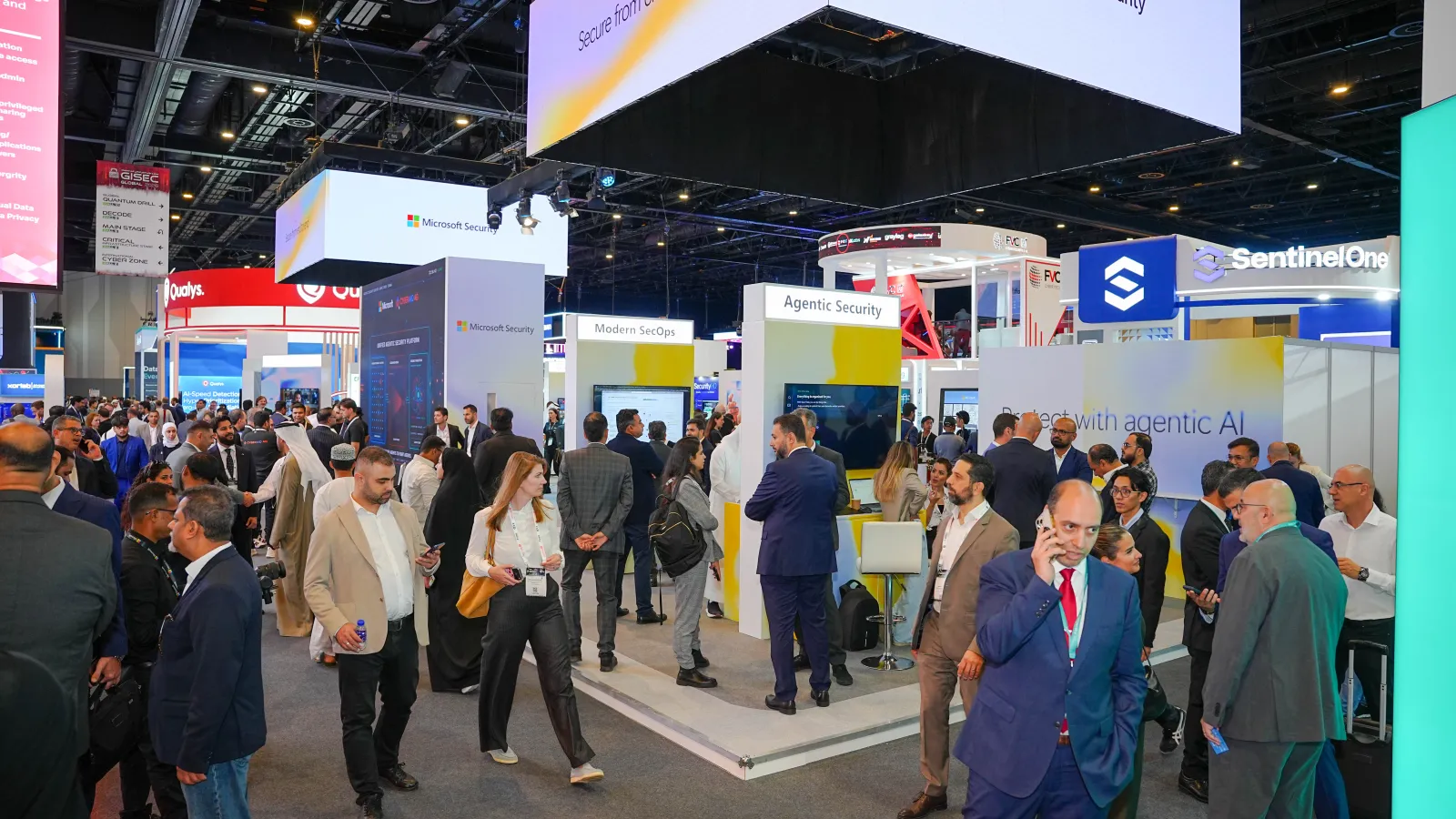
Microsoft has announced that Agent 365, its AI agent governance and security platform, will become available to customers through UAE-based data centres from October 2026. The company made the announcement at GISEC Global 2026 in Dubai, positioning the product as a response to rapidly accelerating agentic AI adoption across the region and the governance gaps that come with it.
Agent 365 is designed as a unified control plane giving IT and security teams consistent visibility over AI agents operating across an enterprise, whether built by Microsoft, procured from third parties, or developed in-house. The platform consolidates capabilities across three areas: observability, governance, and security. A central agent registry allows organisations to discover and map agents in their environment, while lifecycle management tools cover onboarding, access policies, and audit trails of agent actions.
Security architecture
On the security side, Agent 365 extends existing Microsoft product lines rather than introducing entirely new controls. Microsoft Entra handles agent identity management, Microsoft Purview covers data protection and sensitive information governance, and Microsoft Defender supplies threat detection and risky-behaviour monitoring. The integration approach means enterprises already invested in the Microsoft security stack can extend existing policies to agents without building separate control frameworks.
Amr Kamel, General Manager at Microsoft UAE, said: "Frontier organisations will be those that can bring people and AI agents together across their operations with trust built in from the start."
The UAE launch is partly shaped by national policy. The UAE government has set a target to transform 50 per cent of government sectors, services and operations to run on autonomous agentic AI within two years, a timeline that creates acute pressure on both adoption and governance readiness. Microsoft cited a gap between how quickly organisations are deploying agents and how well-prepared they are to manage them at scale.
Market context
Agent governance is an emerging but increasingly crowded category. As enterprises move beyond single-model chatbot deployments toward multi-agent orchestration, the challenge of managing agent identity, permissions, and auditability has become a credible enterprise concern. Competitors including ServiceNow, Salesforce and a range of cybersecurity specialists are developing comparable frameworks, while open standards efforts around agent interoperability and trust are still in early stages.
The UAE represents a strategically significant market for hyperscalers: Gulf sovereign investment funds are active technology backers, government digitalisation programmes create large public-sector contract opportunities, and the region's relatively light AI-specific regulatory environment allows faster product deployment than in the EU.
That regulatory contrast is worth noting. The EU AI Act imposes mandatory risk classification, transparency and human-oversight requirements for high-risk AI systems, many of which would cover autonomous agents operating in enterprise contexts. Organisations with UAE deployments that also serve European markets will need to ensure Agent 365's governance controls are configured to satisfy both regimes. Microsoft has not confirmed whether the UAE instance will offer region-specific compliance configurations aligned to EU or UK frameworks.
The October availability date gives Microsoft a foothold ahead of the UAE government's two-year autonomous AI deadline, and the company is likely to pursue public-sector contracts alongside the enterprise rollout. Buyers will be watching for pricing details, independent benchmark data on agent discovery accuracy, and clarity on cross-border data-residency obligations as the platform moves into general availability.