
Toptana breaks ground on Washington subsea cable landing station
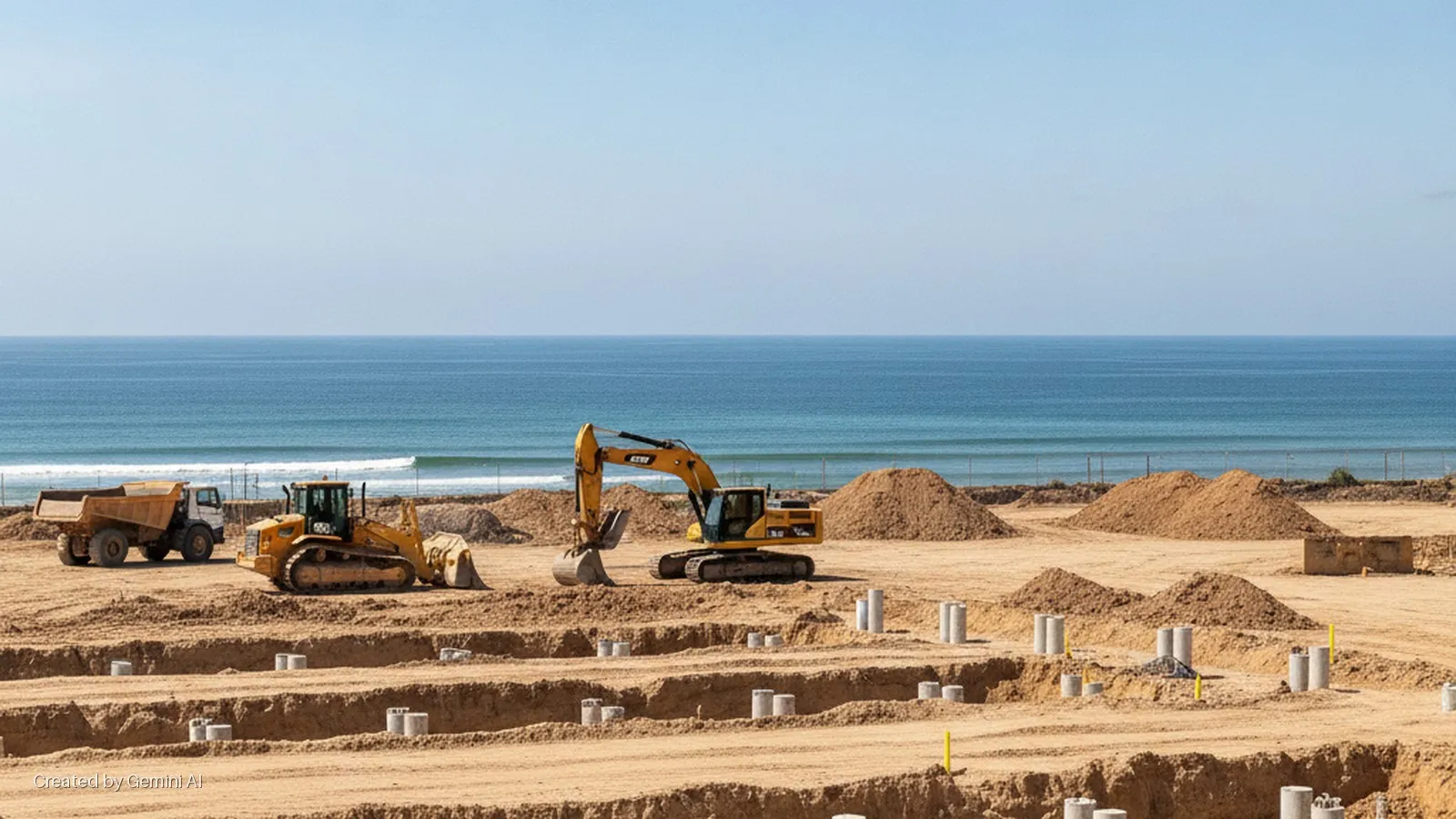
Toptana Technologies, an Indigenous-owned telecommunications infrastructure company established by the Quinault Indian Nation, broke ground on 2 September on a new cable landing station on Washington State's Pacific coast. The facility will serve as the primary Washington landing point for the Sta'O'Nuk subsea cable system, owned by Amazon Web Services, and is designed to accommodate up to four subsea cable systems in total.
The station is expected to be the first new cable landing facility developed in Washington State in more than 25 years, connecting transpacific subsea cables to terrestrial fibre networks along the I-5 corridor toward Seattle and Hillsboro, Oregon. Assured Communications is serving as Toptana's strategic partner, programme manager and long-term operations service provider across the project's full lifecycle.
The project
The Sta'O'Nuk cable takes its name from a Quinault word meaning "lightning serpent." The Quinault Indian Nation granted AWS permission to use the name, preserving its cultural and linguistic significance. David Selby, Director of Global Network Planning and Acquisition at Amazon, said the company was "pleased to partner with Toptana on the Sta'O'Nuk cable system and to see the Toptana cable landing station move toward construction."
Jeff Capoeman, Chairperson of the Board of Directors at Toptana, framed the project in economic terms: "This groundbreaking represents an investment in the future of the Quinault Indian Nation. Through Toptana, we're building infrastructure that creates long-term economic opportunity while strengthening Washington's role in the global digital economy."
The release does not disclose construction costs, the cable's designed capacity, expected completion date, or which operators, if any, have been contracted for the three remaining cable slots at the facility.
Market context
The Pacific Northwest has become one of the most strategically important corridors for transpacific subsea connectivity, with hyperscalers and content providers racing to secure diverse, high-capacity routes between North America and Asia-Pacific markets. Oregon's coast, particularly around Hillsboro, has historically hosted the dominant concentration of US West Coast cable landings, and a new Washington State facility diversifies routing options and reduces geographic concentration risk for operators whose traffic passes through that corridor.
AWS has been among the most active hyperscalers in building privately owned subsea cable infrastructure, alongside Google and Meta, as cloud and AI workload growth drives demand for dedicated, controllable capacity rather than consortium-shared systems. A four-system-capable landing station gives Toptana room to attract additional anchor tenants, which will be the key commercial metric to watch as the facility moves through construction.
The involvement of an Indigenous-owned entity in critical communications infrastructure is also notable from a regulatory and digital-equity perspective. US federal policy under the BEAD programme and FCC connectivity initiatives has emphasised closing digital divides for underserved and tribal communities; Toptana's dual role as infrastructure developer and mission-driven connectivity provider aligns with those policy objectives and may open access to complementary federal funding streams.
Standards and regulatory path
Cable landing stations in the United States require a licence from the Federal Communications Commission under the Cable Landing License Act, and projects involving foreign-owned cables are subject to review by the interagency Team Telecom process. The release does not confirm whether FCC licensing for the Sta'O'Nuk system is complete or still pending, which is a material variable for the construction timeline. Editors may wish to confirm licence status before publication.