
HID adds Seos key support and Samsung Wallet to mobile access app
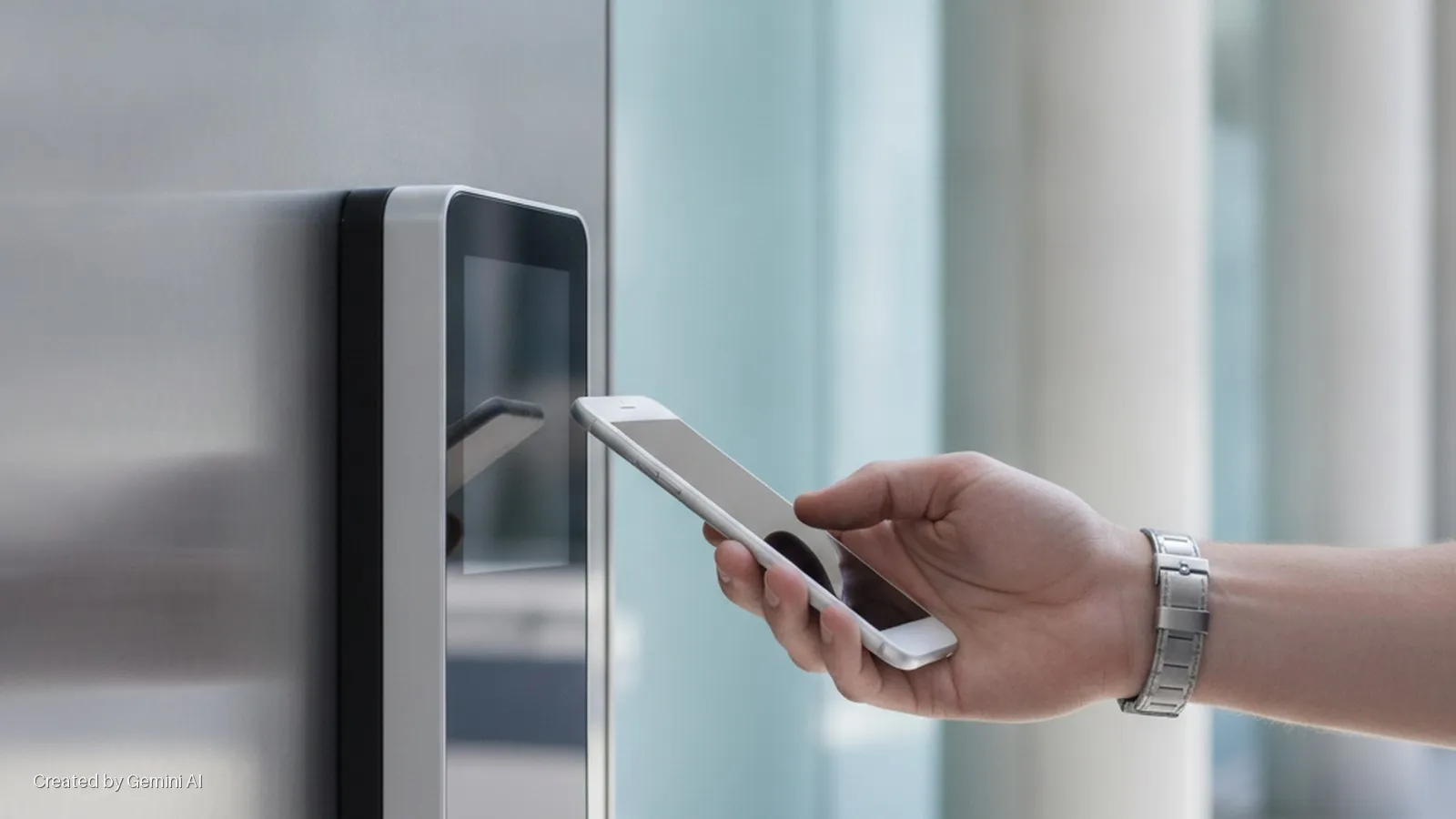
HID has released a set of updates to its Mobile Access platform aimed at reducing the infrastructure cost and on-site effort required when enterprises shift from card-based to mobile physical access control. The enhancements, announced on 2 September 2026, cover existing credential compatibility, remote reader management and expanded digital wallet support, and are framed by the company as a bridge for organisations that have invested heavily in legacy hardware.
The most operationally significant change is the extension of Seos key support within the HID Mobile Access App. Previously, migrating a facility to mobile credentials often required either replacing or reconfiguring HID-compatible readers such as the Signo and iCLASS SE lines. The updated app allows those readers to accept existing Seos keys over mobile without firmware updates or what the company describes as "truck rolls" - the costly practice of dispatching engineers to individual reader locations. HID says this removes one of the most common reasons large-scale mobile access projects stall.
The enhancements in detail
The release adds Samsung Wallet to the list of supported digital wallets, joining Apple Wallet and Google Wallet integrations already in place. HID positions the broader wallet support as a way to reduce the friction of credential issuance: if employees can receive an access credential directly into the wallet app already on their device, IT and facilities teams avoid managing a separate proprietary mobile app for each user.
A companion tool, HID Linq Mobile, is also being updated to allow administrators to configure readers, push firmware, and enable mobile credential acceptance from a mobile device using Bluetooth Low Energy and NFC. The company says this shifts a substantial portion of reader preparation work from on-site visits to remote or in-field mobile management, reducing deployment timelines.
Gustavo Gassman, Vice President of Emerging Markets for HID's Physical Access Control Solutions division, said organisations across the Middle East and Africa had "recognised the value of mobile access for years, but large-scale implementations have often required significant time, resources and coordination." The new features are, in his framing, intended to make deployments more practical for integration partners operating across that region's "fast-growing security landscape."
Market context
Physical access control is a sizeable and increasingly software-defined market, with incumbents such as HID, Allegion, Lenel (part of Carrier), and Genetec competing alongside a wave of cloud-native challengers including Brivo, Verkada and Openpath. The sector is undergoing a structural shift from proprietary plastic-card credentials toward mobile and biometric alternatives, driven partly by post-pandemic workplace redesigns and partly by enterprise security teams consolidating physical and logical identity into unified platforms.
HID's parent, ASSA ABLOY, gives it manufacturing scale and an installed reader base that is genuinely large; the Seos key compatibility play is a direct response to the typical enterprise objection that mobile access requires a costly rip-and-replace of existing hardware. Competitors offering cloud-managed access face the same objection, and backward-compatibility features of this kind have become a standard component of vendor migration narratives across the sector.
From a standards perspective, the use of BLE and NFC for reader management aligns with the broader ISO/IEC 18092 and Bluetooth SIG frameworks that underpin mobile credential interoperability. Enterprises in regulated industries, including financial services and healthcare, will also be assessing whether mobile credential flows satisfy relevant physical security requirements under frameworks such as NIST SP 800-116 for PIV-compatible deployments.
HID did not disclose adoption numbers, named customer deployments, or commercial pricing for the updated platform. The next milestone to watch is whether the company publishes interoperability certification data for the Seos-over-mobile path, which would give procurement teams independent validation of the claimed backward-compatibility.