
NuCube Energy and CNL begin heat-pipe reactor R&D collaboration
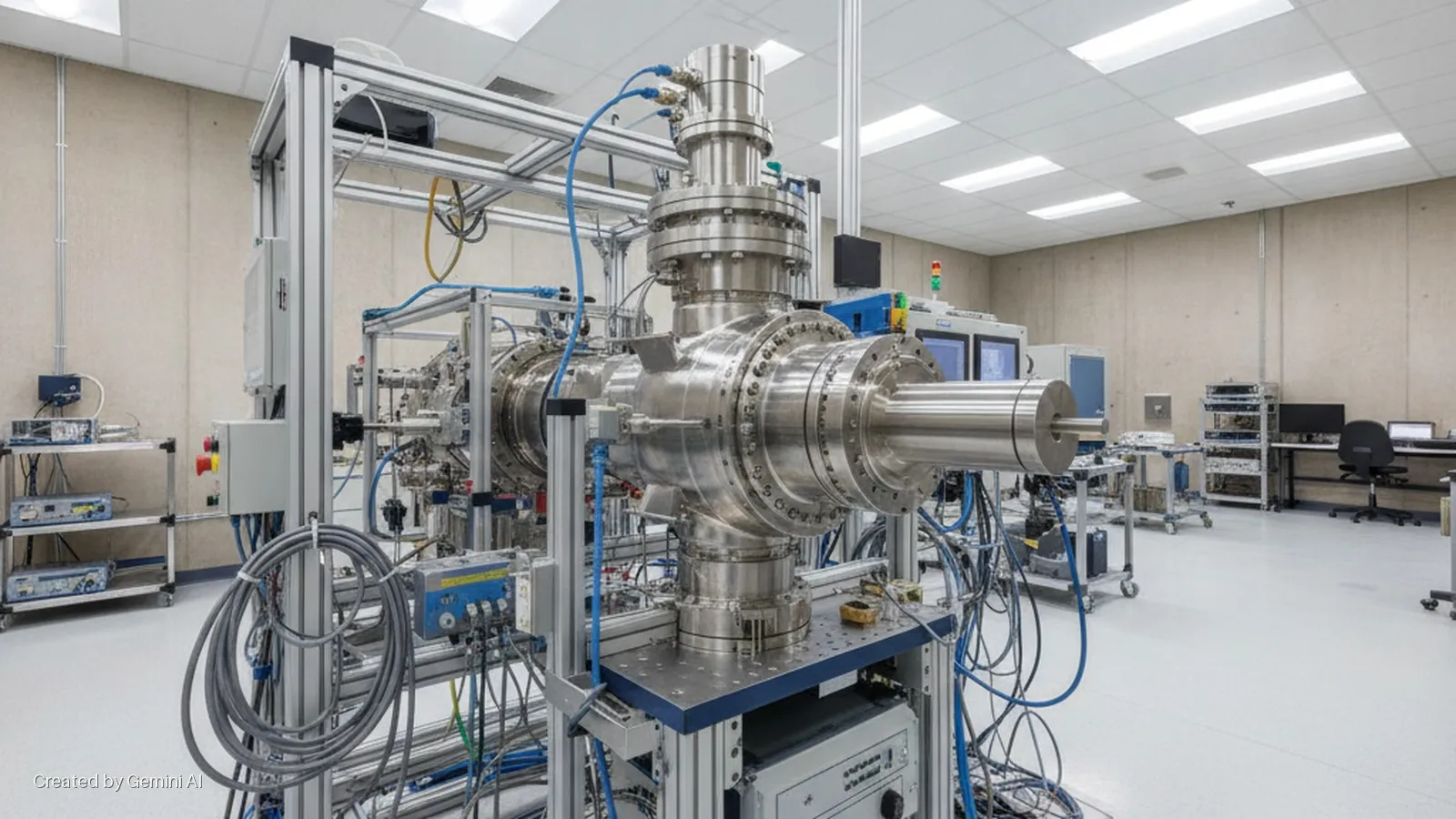
NuCube Energy and Canadian Nuclear Laboratories (CNL) have commenced a research and development programme aimed at advancing the design of NuCube's heat-pipe-cooled microreactor. Under the agreement, CNL will qualify existing experimental data and benchmark the computational models that predict heat-pipe performance at temperatures above 900 degrees Celsius.
The qualified data will expand the validation database underpinning NuCube's computational model, and the company says it is expected to play a material role in supporting its reactor licensing pathway. NuCube did not disclose the financial terms of the CNL arrangement, the duration of the research programme, or specific milestones tied to the collaboration.
The technology and its significance
NuCube's NuSun platform is built around a solid-state, heat-pipe-cooled reactor that the company says eliminates coolant pumps, complex heat exchangers, and large pressure vessels found in conventional designs. The result, according to NuCube, is a passively safe architecture intended to simplify regulatory approval, lower lifecycle costs, and accelerate factory-built deployment compared with other advanced reactor concepts.
Cristian Rabiti, chief executive of NuCube Energy, said the collaboration with CNL represents "an important opportunity to further validate NuCube Energy's heat pipe technology and advance the refinement of our high-temperature reactor design." Monica Regalbuto, Vice-President for Science and Technology at CNL, framed the partnership within the laboratory's broader mandate: "By making our research infrastructure, expertise, and scientific capabilities available, we help technology developers address important technical questions and generate the data needed to advance their work."
CNL operates under the direction of Atomic Energy of Canada Limited and functions as Canada's national nuclear laboratory, giving it recognised standing with regulators in both Canada and internationally.
Market context and regulatory path
NuCube sits within a growing cohort of microreactor developers targeting distributed power markets, including data centres, remote industrial sites, and defence installations. Competitors pursuing broadly similar heat-pipe or high-temperature gas reactor architectures include Oklo, which listed on the New York Stock Exchange in 2024, and Ultra Safe Nuclear Corporation. The sector has attracted renewed investor interest as technology companies seek firm, low-carbon baseload power to support large-scale AI data-centre build-outs, a market dynamic NuCube has cited explicitly in its forward-looking disclosures.
Licensing is the principal bottleneck for all advanced reactor developers. In the United States, the Nuclear Regulatory Commission's Part 53 rulemaking, intended to create a technology-inclusive licensing framework for advanced reactors, is still progressing. In Canada, the Canadian Nuclear Safety Commission has established a pre-licensing vendor design review process that CNL's validated data is likely intended to support. The cross-border nature of the collaboration, with CNL generating qualified experimental data that feeds a US-developed computational model, reflects a broader trend of regulatory co-operation between the US NRC and CNSC on advanced reactor design assessments.
Separately, NuCube announced in June 2026 that it had entered a business combination agreement with Launch Two Acquisition Corp (NASDAQ: LPBB), a special purpose acquisition company. The merged entity is expected to seek a listing on Nasdaq or the NYSE, subject to shareholder approval and standard closing conditions. Filing of a Form S-4 registration statement with the SEC is pending. The SPAC route to public markets has had a mixed record among advanced-energy companies, and investors will be watching closely for further technical milestones and a named anchor customer as indicators of commercial progress.