
Maris-Tech wins repeat order from unnamed intelligence customer
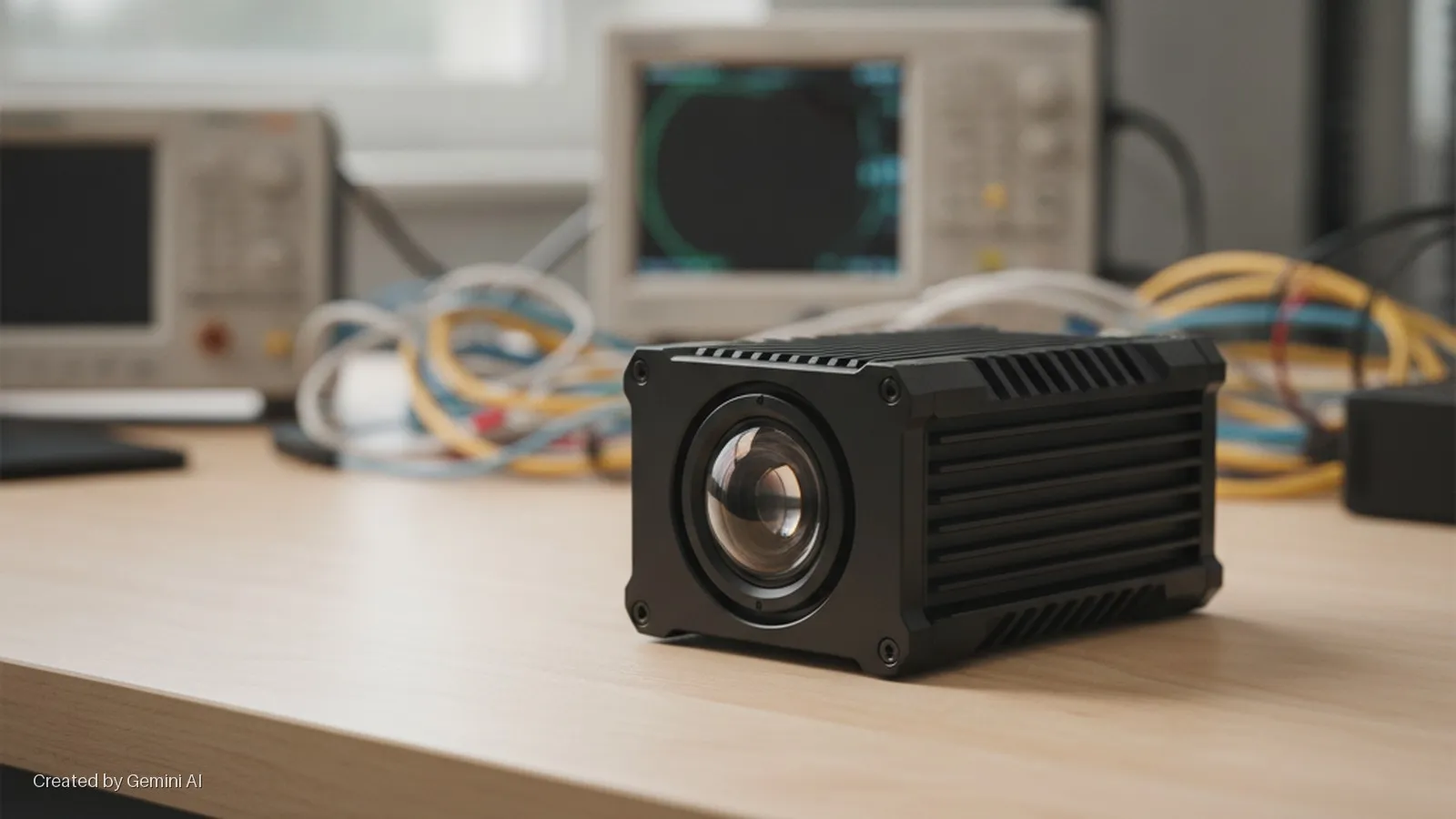
Maris-Tech Ltd., the Nasdaq-listed Israeli developer of edge video and AI systems for defence applications, has received another follow-on order from an existing governmental intelligence customer. The Rehovot-based company said the unnamed buyer is already running Maris-Tech systems in the field and that the latest contract continues a deployment pattern that has generated additional orders in March, April, and June 2026.
The company did not disclose the order value, the customer's country of operation, the number of units involved, or the delivery timeline. It described the engagement as covering real-time video capture, processing, and transmission in bandwidth-constrained environments, which aligns with its core product positioning around unmanned platforms, armoured vehicles, and dismounted soldier systems.
Chief executive Israel Bar said the repeat nature of the purchase offered validation of both the technology and the company's ability to support operational requirements over time. "We remain focused on delivering reliable edge video solutions that can be integrated into demanding intelligence gathering applications and support our customers as their needs evolve," he added.
Market context
Edge AI for defence surveillance is a crowded and rapidly expanding segment, drawing in dedicated vendors such as Palantir, Elbit Systems, and a growing number of NVIDIA-ecosystem partners building around Jetson and Orin modules. The competitive dynamic is shaped less by price than by SWaP (size, weight, and power) optimisation, certification for specific platform classes, and the security-clearance relationships that give vendors access to procurement pipelines in the first place.
Maris-Tech's recurring order pattern from a single customer is commercially meaningful for a small-cap company but also illustrates a concentration risk that investors watch closely. The company has not publicly named a diversified customer base or disclosed aggregate revenue contribution from its defence contracts.
Regulatory and export context
Israeli defence-technology exports sit under the oversight of Israel's Ministry of Defence export licensing regime. Any expansion into new governmental markets, particularly Five Eyes nations or NATO partners, would require export approvals and, where US-origin components are involved, compliance with US International Traffic in Arms Regulations (ITAR) or Export Administration Regulations (EAR). The company has acknowledged competition from US-market cybersecurity and telecom products in its SEC filings, suggesting at least partial exposure to US regulatory scrutiny.
The broader edge-AI defence market is expected to attract increased regulatory attention as autonomous and semi-autonomous video analytics become more central to intelligence collection. The EU AI Act's high-risk classification for biometric and law-enforcement AI systems will not directly govern Israeli vendors operating outside the bloc, but European governmental customers procuring such systems may impose their own conformity requirements as the Act's provisions mature.
Maris-Tech's four disclosed orders from a single customer in five months suggest an active operational deployment rather than a pilot. Investors will be watching for disclosure of a second named customer relationship, overall contract backlog figures, or revenue guidance to assess whether the company's order book is broadening.