
Mavenir and Neysa partner on sovereign AI infrastructure for telcos
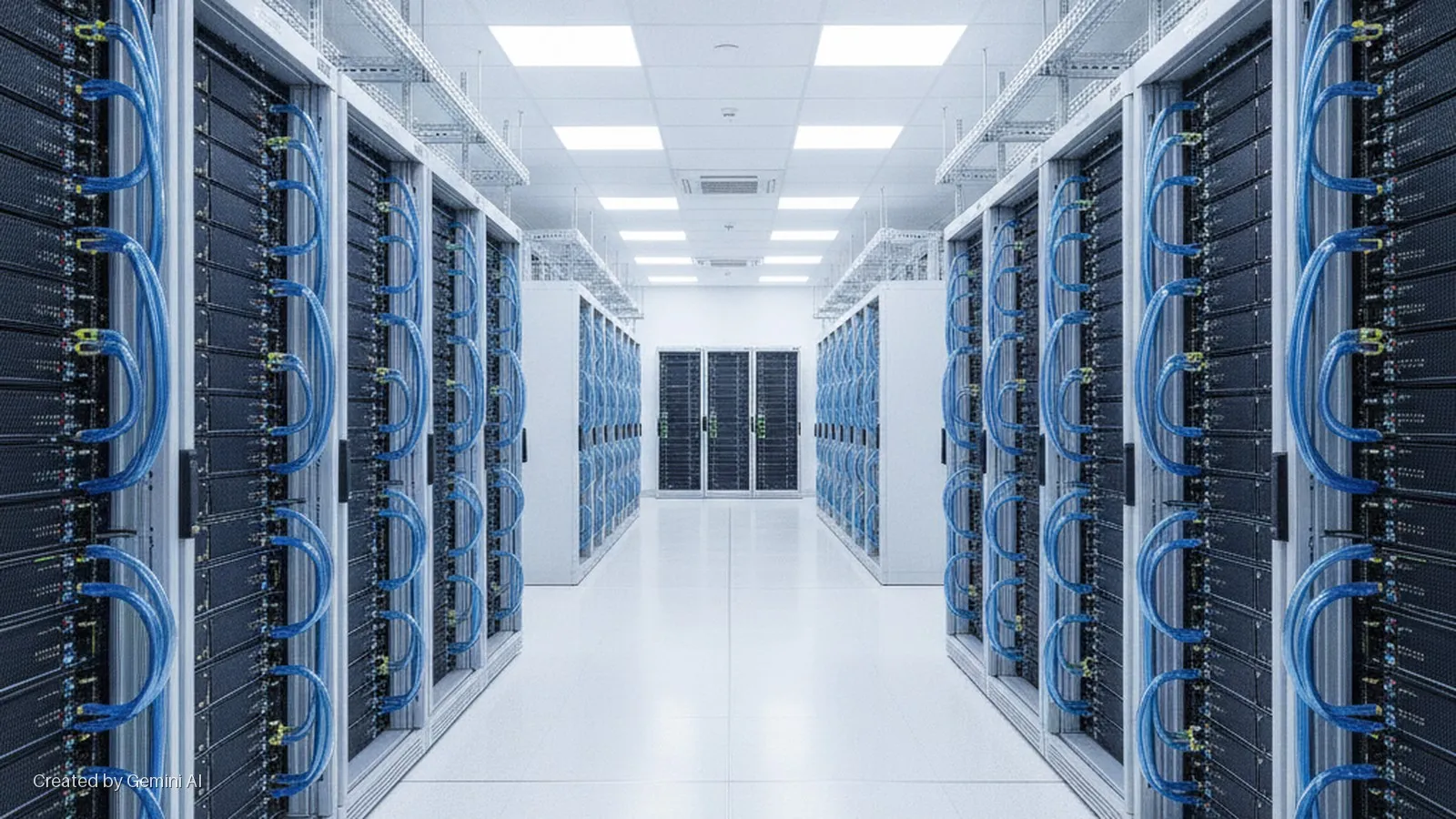
Mavenir, the cloud-native network software provider, has announced a strategic partnership with Mumbai-based AI cloud startup Neysa, pairing Mavenir's AI Integrated Platform with Neysa's GPU-backed infrastructure to create a combined stack targeting mobile network operators, enterprises, and neocloud providers.
The arrangement is aimed squarely at organisations that want to deploy AI services on infrastructure they own or control, without building the full software stack themselves. Mavenir contributes orchestration, agent workflows, policy control, and token-level metering and billing; Neysa supplies the GPU compute, deployment environment, and its flagship Velocis platform, which unifies inference, orchestration, and AI security in a single system.
What the partnership delivers
For neocloud providers, the joint offering is designed to convert raw GPU capacity into packaged, enterprise-ready AI services without the overhead of platform engineering. For mobile operators, it extends the path Mavenir has been developing this year: hosting models, running agents, and monetising token consumption on operator-owned infrastructure, now with an additional GPU-backed deployment option through Neysa.
Bejoy Pankajakshan, Mavenir's chief technology and strategy officer, said the combination addresses a common challenge from two directions. "Enterprises get a platform they can trust and control, and neocloud providers get a way to sell AI as a service, not just infrastructure," he said.
Mavenir also disclosed that it is running the same stack internally, using Neysa's cloud for AI-assisted software development and model selection, as well as for its own AI Service Assurance, AI Security Agents, and AI Voice Services products. The company said its token optimiser and model routing tools have reduced its own frontier model spend in practice, and that those savings will extend to customers running on the shared environment.
Market context and competitive positioning
The sovereign AI infrastructure market is attracting significant commercial and policy attention. Enterprises in regulated sectors are increasingly unwilling to route workloads through hyperscaler environments where data-residency guarantees are difficult to audit end to end. That pressure has created a commercial opening for telco-grade, on-premises or hybrid stacks of exactly the type Mavenir and Neysa are describing.
Mavenir competes in the broader telco software and AI orchestration space alongside vendors such as Ericsson, Nokia, and a growing tier of cloud-native challengers. Neysa, founded in 2023, announced a capital raise of up to $1.2 billion led by Blackstone in February 2026, giving it substantial runway to build out GPU capacity and compete with established GPU cloud providers. The Blackstone backing is a notable signal of institutional confidence in the sovereign AI infrastructure thesis, though the company remains young and has not disclosed revenue figures.
The neocloud segment itself is still forming, with providers ranging from well-capitalised GPU hyperscalers to regional players banking on data-sovereignty positioning. Mavenir's decision to use Neysa's infrastructure for its own product development is a meaningful, if self-reported, validation of the platform's enterprise readiness.
Regulatory read-across
Sovereign AI is not simply a marketing term. The EU AI Act, the UK Government's AI Opportunities Action Plan, and a range of national data-localisation frameworks are all pushing enterprises and operators toward infrastructure arrangements that offer clearer data governance and auditability. Token-level metering, as included in the Mavenir AI Integrated Platform, is increasingly relevant for compliance teams that need granular usage logs to satisfy internal controls and external audits.
For mobile operators deploying AI on their own network infrastructure, the partnership also intersects with spectrum-licensing and network-security obligations under frameworks such as the EU's NIS2 Directive and the UK's Telecommunications Security Act, which impose supply-chain due diligence requirements on network software providers. Mavenir serves more than 300 operators across 120 countries, a footprint that amplifies both the commercial opportunity and the compliance complexity of any AI platform rollout at scale.