
KAYTUS KR2166V3 targets petabyte AI data prep via single-socket
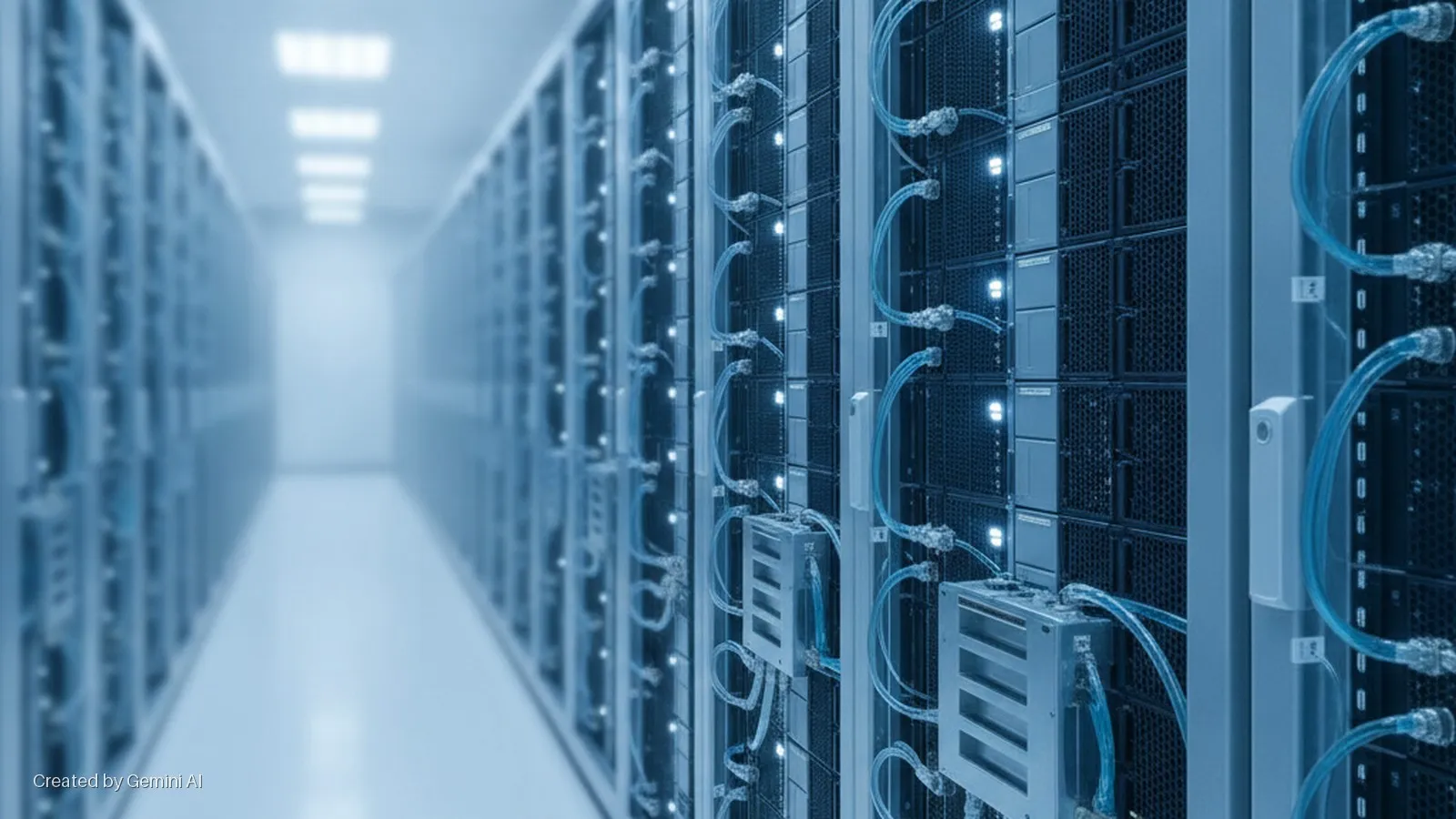
KAYTUS has launched the KR2166V3, a 2U storage server built for AI and HPC data preprocessing at petabyte scale. The system is powered by a single AMD EPYC 9005 processor and packs 24 bays for 3.5-inch drives into its chassis, yielding more than 700 TB of raw capacity per node. The company says the design avoids the inter-socket memory access overhead typical of dual-socket NUMA configurations, translating into measurable efficiency gains against conventional alternatives.
Compared with a representative dual-socket 2U system, KAYTUS claims the KR2166V3 delivers 12% higher MapReduce performance, reduces power consumption by more than 45%, and lowers three-year total cost of ownership by more than 19%. Hardware capital expenditure is reported at 11% below the baseline, while rack-space cost is cut by half, according to the company's own TCO comparison. KAYTUS did not name the comparator system or identify an independent auditor for those figures.
The case for single-socket density
Data preprocessing sits at an unglamorous but critical stage of the AI pipeline: raw text, images, sensor logs and other inputs must be cleansed, deduplicated, converted and aggregated before they can enter training or inference workflows. At petabyte scale, those operations impose sustained demands on storage throughput and memory bandwidth. The conventional response has been horizontal scaling, adding server nodes as data volumes grow, which compounds compute overhead, power draw, and network complexity.
KAYTUS positions the KR2166V3 as an alternative to that expansion pattern. By tying storage density and compute resources to a single socket, it argues customers can grow usable capacity without provisioning surplus CPU resources they do not need. Darren Cox, general manager for KAYTUS Europe, said customers "need platforms that continuously reduce cost per TB, improve rack efficiency, and simplify large-scale deployment," describing the KR2166V3 as part of a portfolio that pairs dense storage with decoupled JBOD expansion for sites that need capacity growth without additional compute nodes. The company's broader storage range includes the KR4176V3, which it says reaches 1.8 PB per node, and the KR4086V2 JBOD expansion shelf.
Market context
The market for high-density AI storage infrastructure has attracted sustained investment from hyperscaler-adjacent vendors, white-box integrators and established names including Dell Technologies, HPE and Lenovo. Single-socket server designs have gained renewed commercial attention as AMD's EPYC 9005 generation has closed the per-socket core-count gap that historically made dual-socket systems attractive for compute-heavy storage roles. For workloads that are predominantly I/O-bound rather than compute-bound, eliminating the second socket removes a cost and power centre that was rarely fully utilised.
KAYTUS, which has a significant manufacturing base in China and operates European sales through a dedicated regional team, competes in a segment where procurement teams weigh supply-chain provenance alongside technical specifications. Geopolitical scrutiny of server hardware with Chinese origins has intensified in several European and North American markets, and enterprise buyers increasingly request clarity on component sourcing and firmware provenance as part of their due-diligence process.
The company's liquid-cooling heritage is also relevant here: AI preprocessing clusters that run at high utilisation benefit from efficient thermal management, and KAYTUS has referenced liquid-cooling integration across its product portfolio. As rack power densities rise with denser GPU and storage configurations, the ability to combine high-capacity storage with low per-node power draw becomes a competitive differentiator rather than a secondary consideration.