
Keeta marks one year in UAE with 10,000-plus merchant brands
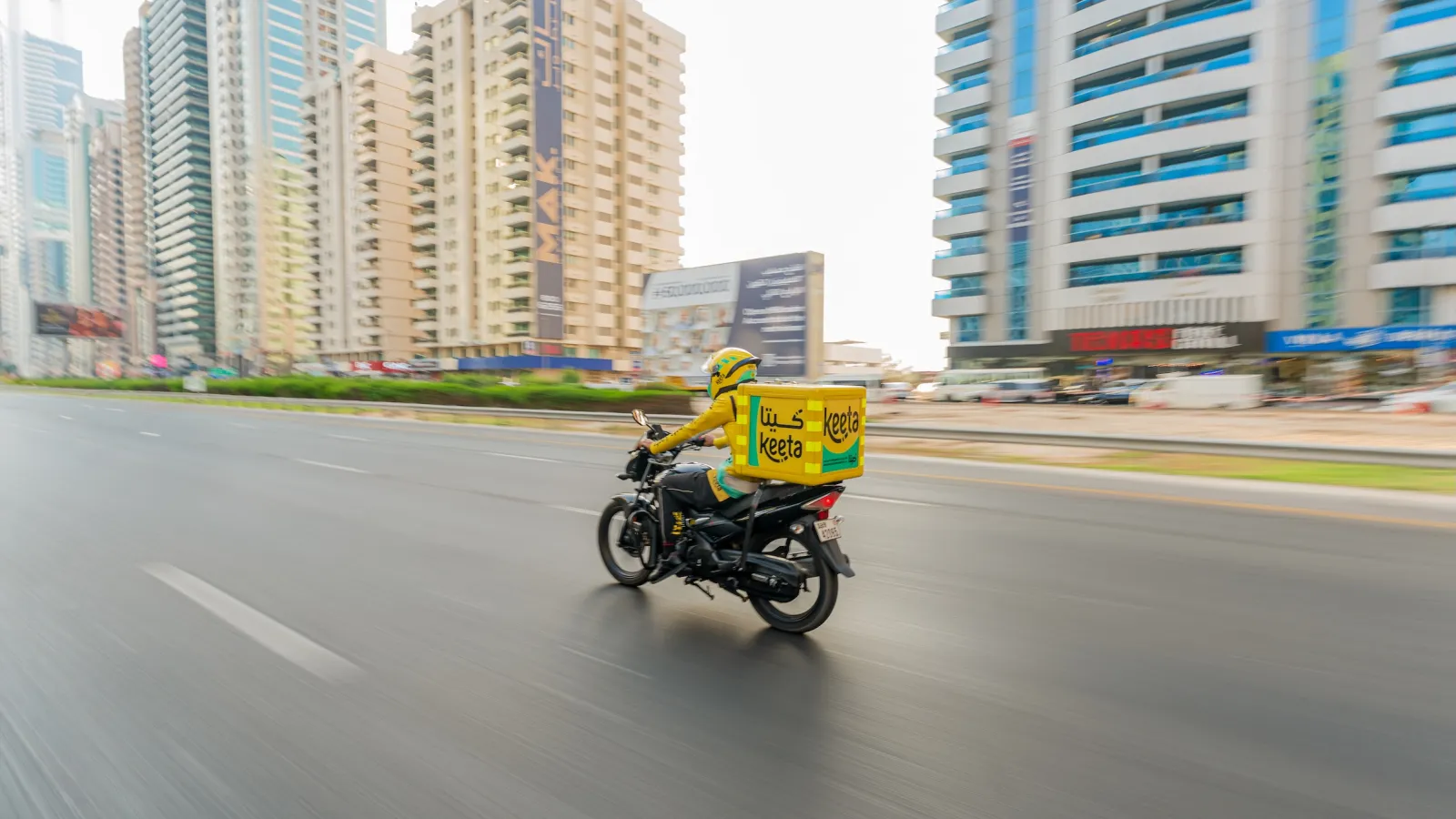
Keeta, the international on-demand delivery platform operated by Hong Kong-listed Meituan (3690.HK), has marked its first anniversary in the UAE with figures pointing to rapid geographic and commercial expansion since its Dubai launch in September 2025.
The platform says it extended coverage to all seven emirates within 90 days of launch, a timeline the company describes as central to its go-to-market thesis. It now works with more than 10,000 restaurant and merchant brands across more than 40,000 locations, spanning homegrown concepts such as Harees al fareej and Kuwaiti Cuisine alongside international chains including Dunkin, Nando's, WingStop and Papa Johns. The company says delivery partners collectively travelled approximately 200 million kilometres to fulfil tens of millions of orders over the year, though Keeta did not disclose gross merchandise value, revenue, or market-share figures.
"Reaching all seven emirates was an important early milestone, but what defines this year is how we built locally, responsibly and alongside the people who make every order possible," said Lucas Xie, General Manager of Keeta UAE. "As we enter our second year, our commitment to the UAE and its ecosystem only deepens."
SME programmes and community initiatives
Beyond scale metrics, Keeta has positioned several structured programmes as differentiators. Its Founding Vendor Programme offered zero setup costs and launch visibility to early merchant partners. In 2026, it introduced Programme ABAAD in the UAE, an initiative aimed at helping Emirati-owned food and beverage SMEs build capability for growth in the digital economy. The first phase was delivered in collaboration with the Khalifa Fund for Enterprise Development and Dubai Chambers, though Keeta has not yet disclosed how many businesses have completed the programme or what outcomes have been measured.
Welfare provisions for delivery riders have also featured. Keeta says it installed air-conditioned hubs and rider support spaces across the country to provide relief during the UAE's summer months, and worked with local authorities on safety and health initiatives. The platform also launched KeeShare during Ramadan 2026, an in-app feature allowing customers to add a meal for their delivery rider, with more than 1,200 restaurants participating. Most recently, Keeta signed a memorandum of understanding with Dubai's Awqaf and Minors Affairs Foundation to explore integrating donation options into the app in support of the "Bread for All" initiative, which provides fresh bread and hot meals to eligible beneficiaries via smart machines.
Market context
The UAE food delivery market is contested territory. Talabat, owned by Delivery Hero, holds the incumbent position built over more than a decade, while Noon Food and regional operators also compete for restaurant and consumer share. Keeta enters this landscape with the balance-sheet backing of Meituan, which operates China's dominant food delivery platform, and can apply logistics technology and operational playbooks developed at scale in a far larger home market.
That heritage is potentially significant. Meituan has spent years refining routing algorithms, batching economics and rider management tools in China's dense urban environment. Whether those advantages translate cleanly to UAE market conditions, which feature a different road network, regulatory environment and consumer mix, will be the operative question for Keeta's second year.
The UAE's broader smart-economy agenda, including digital transformation targets under the UAE Vision 2031 framework, creates a regulatory environment broadly supportive of platform-economy growth. However, labour regulation for gig workers is evolving across Gulf Cooperation Council states, and investor attention to rider classification and welfare is increasing. Keeta's welfare investments and government partnerships may reflect as much a regulatory anticipation strategy as a brand-building one.
The company has not disclosed a path to profitability or any financial targets for year two. Merchant density and retention rates, alongside order frequency per active user, will be the metrics worth watching as it seeks to convert first-mover momentum into durable market position.