
Nokia and NVIDIA expand AI-RAN trials with eight global operators
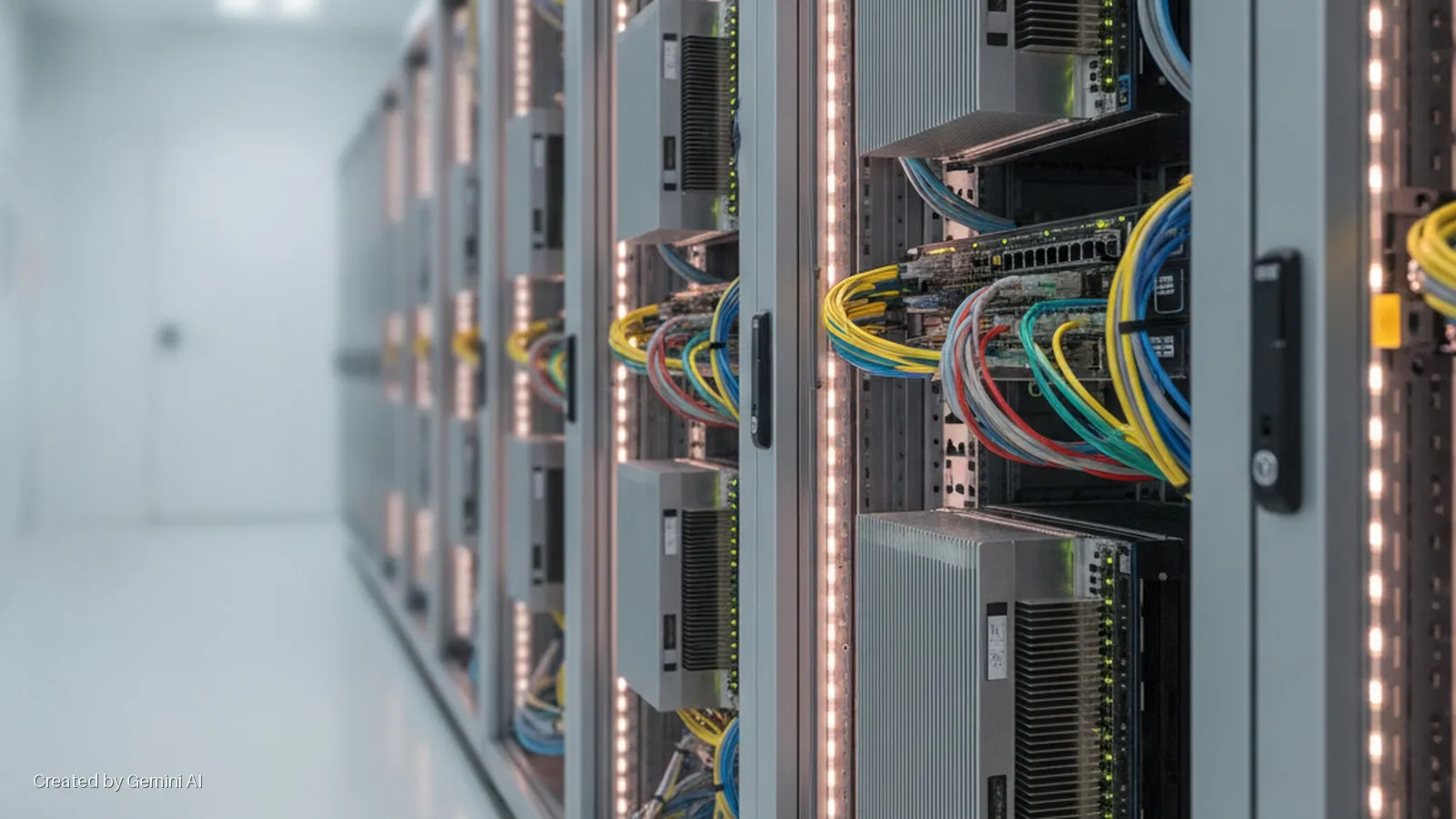
Nokia has announced a significant widening of its AI-RAN trial programme, naming eight operators currently running proofs of concept or live field trials on its platform: A1 Group, Chunghwa Telecom, du, e&, Mobily, stc, TPG Telecom and Zain Saudi. The trials span North America, Europe, Asia-Pacific and the Middle East, and run on NVIDIA's Aerial RAN Computer, a GPU-based baseband acceleration platform. Nokia says its AI-RAN software has already delivered spectral efficiency improvements of more than 20%, with further software-driven gains on the roadmap for 2027 and 2028.
The announcement adds to a previously disclosed set of evaluations with T-Mobile, SoftBank and Indosat Ooredoo Hutchison, and follows what Nokia describes as the launch of the first commercial AI-native RAN platform. Trials with NTT DOCOMO, announced earlier, are also said to be progressing. Nokia did not disclose the specific network configurations involved, the scale of spectrum assets under test, or the commercial terms attached to any of the engagements.
What AI-RAN actually means for operators
Traditional RAN hardware runs fixed, purpose-built signal processing on dedicated silicon. AI-RAN replaces that with software running on GPU-accelerated compute, allowing radio resource management and interference coordination to be updated continuously through software releases rather than physical hardware swaps. Nokia's platform combines its anyRAN software stack with NVIDIA's Aerial RAN Computer, which provides the GPU compute substrate.
The commercial pitch to operators rests on two levers. First, squeezing more capacity from existing spectrum holdings reduces the need for expensive new spectrum licences or hardware refresh cycles. Second, a GPU-based baseband opens the possibility of running edge AI workloads, such as inference for computer vision or private-network automation, on the same infrastructure as the radio access function. Emma Falck, President of Mobile Infrastructure at Nokia, said operators "need a new approach that helps them increase capacity, improve network economics and deliver the services for AI-native workloads."
Market context and competitive landscape
Nokia is not alone in pursuing GPU-accelerated RAN. Ericsson has published research into AI-assisted radio scheduling, and Samsung Networks, a significant supplier to US and South Korean carriers, has discussed AI-native baseband development. Qualcomm's X100 RAN platform targets open RAN disaggregation with on-device AI. The Open RAN Policy Coalition and the O-RAN Alliance are both developing interface standards that would allow operators to mix AI-RAN software from competing vendors on shared hardware, a dynamic that could either accelerate Nokia's ecosystem or erode its platform lock-in.
Analyst firm Omdia's Remy Pascal noted that the geographic breadth of the operator roster reflects "an emerging industry consensus that AI will be essential to continue improving network performance and operational efficiency, and to the evolution toward 6G." That framing aligns Nokia's current 5G Advanced deployments with a longer-term 6G software upgrade path, though no 6G timelines or commercial commitments have been disclosed.
Regulatory and standards read-across
AI-RAN development is proceeding against a backdrop of active standards work. The 3GPP Release 18 and Release 19 cycles include provisions for AI and machine learning in the RAN, covering channel estimation, beam management and energy saving. Separately, the EU's AI Act classifies network infrastructure AI under general-purpose provisions, which may require operators deploying AI-driven radio management to maintain documentation and human-oversight controls as the regulation's obligations phase in from 2026.
Nokia's NVIDIA partnership also has geopolitical dimensions. NVIDIA GPU exports to several markets remain subject to US Bureau of Industry and Security controls, and operators in some of the named geographies, particularly in the Middle East, will need to confirm export-licence compliance before commercial deployments proceed at scale. Nokia did not address this point in its release.