
SpaceXAI adopts NVIDIA Vera CPU for agentic AI and orbital computing
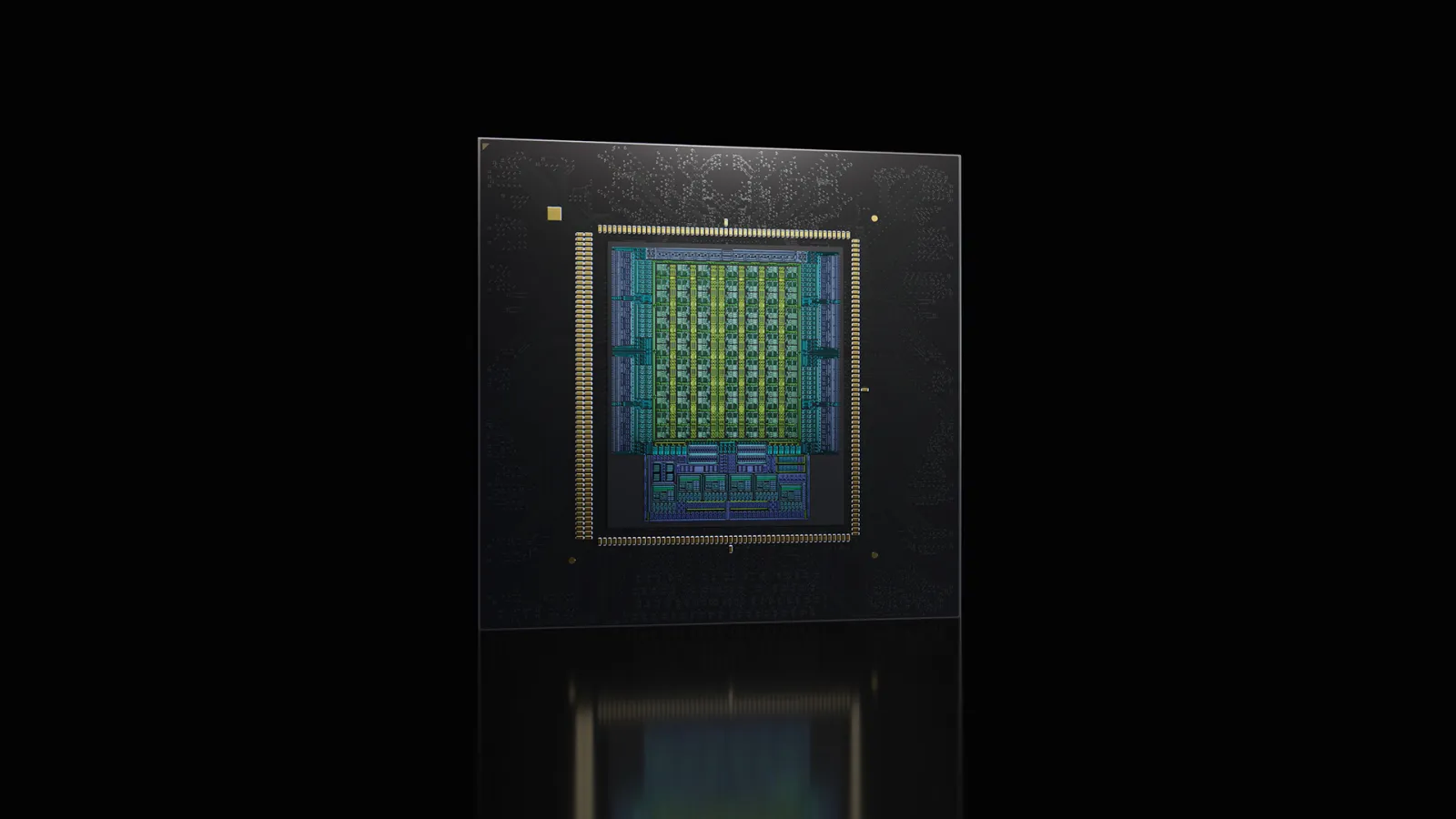
SpaceXAI has confirmed it will deploy NVIDIA's Vera CPU across its AI infrastructure, marking one of the first large-scale adoptions of NVIDIA's purpose-built agentic AI processor. The company also plans to expand its use of the NVIDIA Vera Rubin platform as it scales toward gigawatt-class computing capacity, and will base its planned Starmind orbital AI satellite on an optimised Vera Rubin NVL72 rack-scale system.
The announcement was made by NVIDIA, which framed the partnership as a demonstration of its accelerated computing stack spanning terrestrial AI factories and, eventually, space. SpaceXAI's infrastructure powers Grok, its large language model product, and the company said the Vera CPU will allow more sophisticated AI agent orchestration without diverting GPU cycles away from model inference.
The hardware case for agentic AI
NVIDIA positions Vera as the first CPU designed specifically around the orchestration workloads that agentic AI imposes: tool invocation, code execution, data processing and simulation that occur between model calls. The chip features 88 NVIDIA-designed Olympus cores, LPDDR5X memory with up to 1.2 TB/s of bandwidth, and what NVIDIA describes as Spatial Multithreading technology. NVIDIA's reported benchmarks show Vera delivering up to 1.8x faster task completion compared with x86 CPUs across agentic, reinforcement learning and data-processing workloads, though these figures are vendor-published and have not been independently verified.
Mike Nicolls, president of SpaceXAI, said Vera provides "the CPU performance and memory bandwidth to run enormous amounts of orchestration, code and data processing while keeping GPUs doing what they do best." The Vera Rubin platform integrates NVIDIA's NVLink interconnect, Spectrum-X Ethernet networking, BlueField data-processing units and NVIDIA's software stack into a single architecture intended to optimise cost per token at scale.
Market context and orbital ambition
The agentic AI infrastructure market is evolving rapidly as enterprises move from single-shot inference to multi-step agent pipelines that impose far greater demands on CPU and memory subsystems. AMD, Intel and a number of custom silicon startups are competing for the orchestration layer that sits around GPU-based model inference, making NVIDIA's move to build a dedicated agent CPU a significant architectural bet.
SpaceXAI's planned Starmind satellite adds a dimension that few AI infrastructure vendors have yet addressed publicly. Orbital computing introduces severe constraints around power budgets, thermal dissipation, radiation tolerance and communications bandwidth, all of which differ materially from conventional data centre deployments. NVIDIA and SpaceXAI said they are working to adapt the Vera Rubin architecture to those requirements while maintaining a common software ecosystem across earth and orbit, though neither party disclosed a launch date or detailed engineering specifications for the space variant.
The partnership also raises questions around export controls. NVIDIA's most advanced accelerators remain subject to US Bureau of Industry and Security licensing requirements in certain jurisdictions, and any space-based computing infrastructure built on leading-edge NVIDIA silicon will likely draw scrutiny from regulators as orbital AI capabilities mature. Neither company commented on export compliance in the release.
What comes next
For enterprise buyers and infrastructure architects, the near-term significance lies in the terrestrial side of this deal. SpaceXAI's scale, targeting gigawatts of compute capacity, will serve as a reference deployment for Vera CPU performance in production agentic workloads. Independent benchmark data and customer efficiency metrics, neither of which accompanied this announcement, will be the metrics to watch as the platform moves from launch into general availability. NVIDIA has not disclosed pricing or availability timelines for the Vera CPU beyond this partnership announcement.