
XTEND named Gauntlet II top performer in $1bn US drone programme
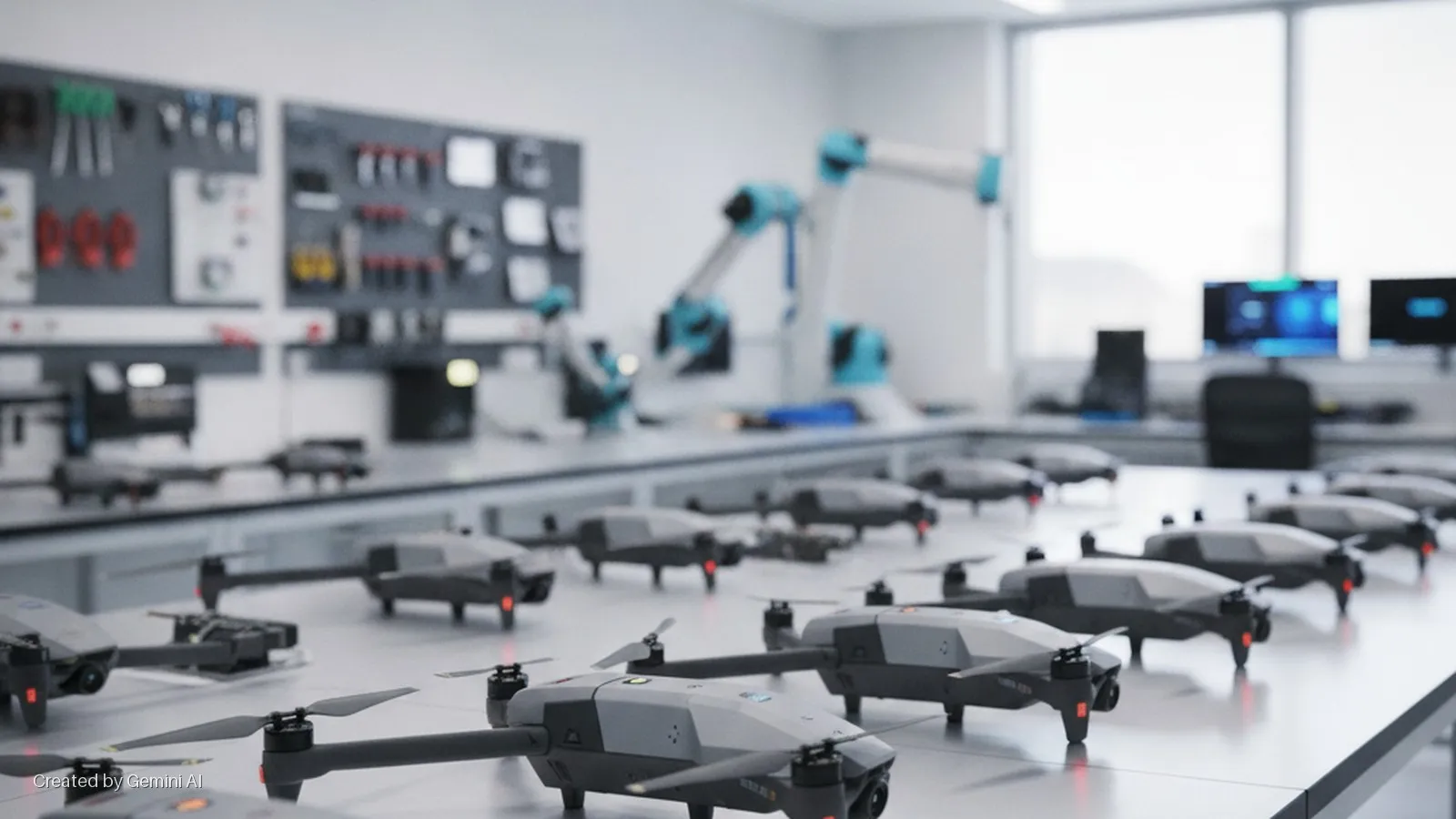
XTEND AI Robotics (NYSE: XTND) has been selected as a top performer in the close quarters battle segment of Gauntlet II, the second competitive phase of the US Department of War's Drone Dominance Programme (DDP). The $1 billion programme, managed jointly by the Defence Innovation Unit (DIU) and the Test Resource Management Center (TRMC) and contracted through Naval Surface Warfare Center, Crane Division, is designed to establish a resilient domestic supply chain for low-cost, one-way attack drone systems.
Selection followed XTEND's delivery and live demonstration of 120 STRIKER units in operationally realistic scenarios evaluated by active warfighters. The STRIKER platform runs on XTEND's proprietary XOS operating system and is built for confined, complex and GNSS-denied environments where satellite navigation is unavailable or actively jammed.
What the award means
Being named a Gauntlet II top performer places XTEND among the finalists eligible for prototype contracts under the DDP. The company's own forward-looking disclosures note that contract awards are not guaranteed, and the programme's phased structure means that further competitive evaluations are expected before production orders are issued.
Aviv Shapira, co-founder and chief executive, said: "We delivered, we competed, and we proved what STRIKER is capable of in the hands of US warfighters."
XTEND says it has deployed more than 12,500 systems across 30-plus countries, with operational use validated in five combat zones. Manufacturing is spread across NDAA-compliant facilities in the US, UK, Singapore, Israel, Mexico and Latvia, a geographic spread that is increasingly relevant as defence procurement rules tighten requirements around country-of-origin for hardware and software supply chains.
Market context and competitive landscape
The DDP sits within a broader and rapidly accelerating push by the US military to source affordable, scalable uncrewed systems domestically. The programme echoes the structure of the Replicator initiative announced by the Department of Defence in 2023, which aimed to field thousands of small autonomous systems at speed. That strategic backdrop has opened procurement pipelines for a cohort of drone and robotics vendors, several of which are competing directly against XTEND in the close quarters and indoor-navigation segments.
Competitors in the tactical indoor drone space include Shield AI, which has attracted significant venture and government backing for its autonomy stack, and a number of smaller defence-focused startups developing GPS-denied navigation for similar confined-environment use cases. Larger primes have also moved into the category through acquisition and partnership.
The DDP's emphasis on a US-based supply chain reflects ongoing export-control and NDAA compliance pressures, particularly given the controversy around Chinese-manufactured drone components in earlier procurement cycles. XTEND's distributed manufacturing footprint and its NYSE listing position it to navigate those requirements, though the Israeli origins of its founding team and original R&D base may attract additional scrutiny as congressional oversight of foreign-linked defence contractors has intensified.
Regulatory read-across
Gauntlet II awards, once finalised, would fall under Federal Acquisition Regulation requirements and NDAA Section 848 restrictions on covered foreign entities in defence supply chains. The DDP's DIU management structure allows for other transaction authority (OTA) agreements, which typically move faster than traditional procurement but carry less long-term contract certainty. Buyers and investors should note that the transition from OTA prototype awards to programme-of-record production contracts remains a well-documented attrition point in US defence acquisition.