
CIRA Canadian Shield expands to Windows and macOS
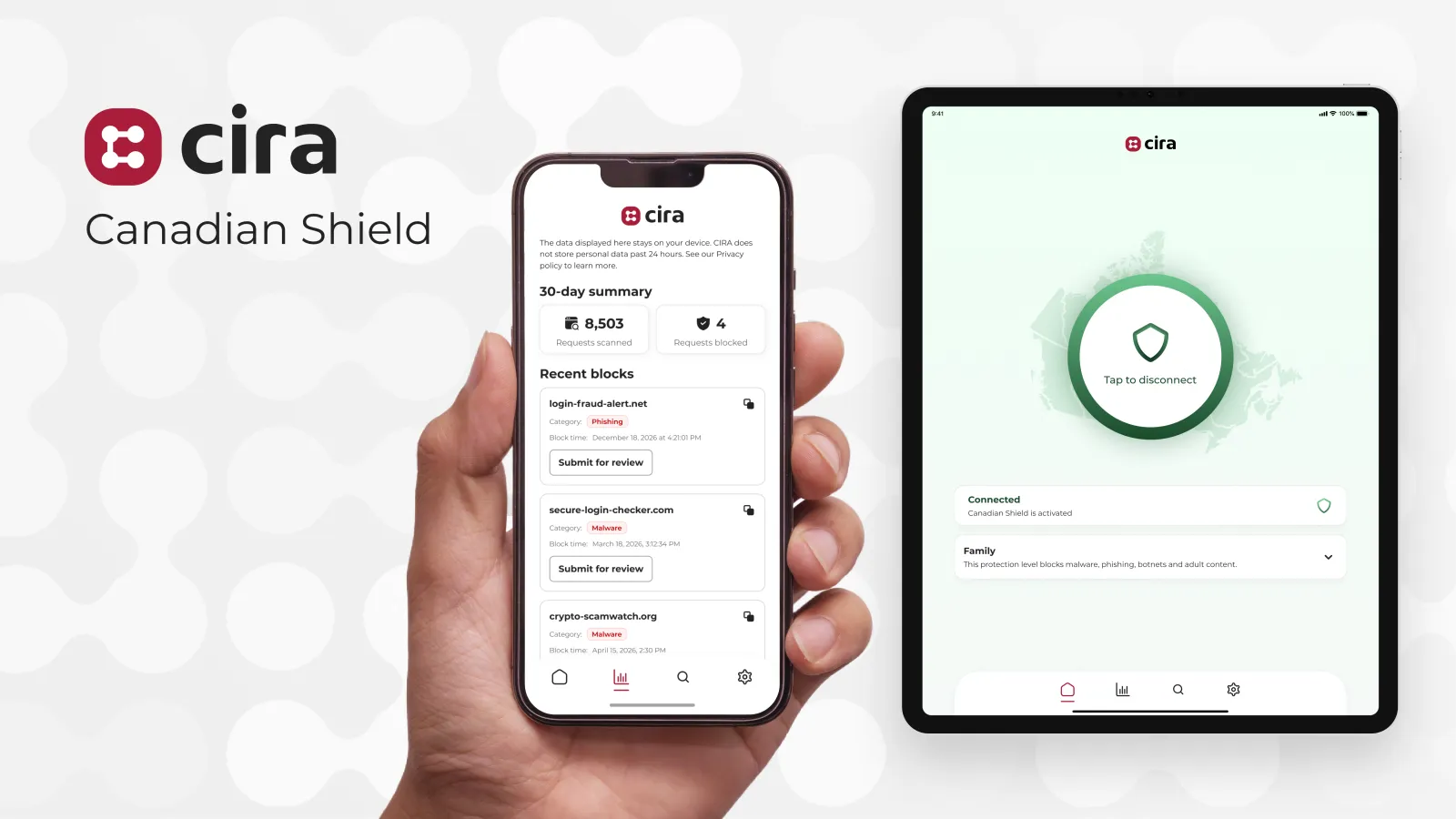
CIRA, the not-for-profit organisation that manages Canada's .CA domain registry, has expanded its Canadian Shield cybersecurity service to Windows and macOS, bringing its DNS-based threat-blocking to desktop and laptop computers for the first time. Previously limited to home routers and mobile apps on iOS and Android, the service now follows the device across networks, covering home broadband, public Wi-Fi and campus or corporate connections alike.
The expansion is the most significant update to Canadian Shield since the service launched as a free consumer offering. CIRA says the platform already blocks more than 300 million malicious domain requests per month across its installed base of routers, phones and tablets. The new desktop clients extend that perimeter to a class of device that employees and students routinely use outside controlled network environments.
What the new version does
Canadian Shield operates at the DNS layer, intercepting lookups to domains flagged as malicious before a connection is established. The service offers two modes: "Protected", which blocks malware, phishing and botnet domains; and "Family", which adds filtering of adult content. Both modes are free of charge and require no subscription.
Alongside the desktop release, CIRA is adding a suite of user-facing features. A 30-day protection dashboard surfaces the volume of requests scanned and domains blocked, broken down by URL, frequency and threat category. A domain-lookup tool lets users check a specific address before visiting it, and a "Submit for Review" function allows reports of suspected false positives. Push notifications alert users when protection status changes.
Jon Ferguson, Vice President for Cybersecurity and DNS at CIRA, said the goal was to make protection follow the computer rather than stop at the home network. "Whether it's parents, students, teachers, seniors or the home CTO, Canadians now have a simple, free way to add another layer of protection using the same technology CIRA relies on to secure millions of commercial customers and safeguard Canada's .CA registry 24/7."
Market context and digital sovereignty positioning
DNS-layer filtering is an established, low-friction method of reducing consumer and SME exposure to commodity threats. Commercially, the approach is used by vendors including Cisco Umbrella, Cloudflare Gateway and NextDNS, all of which process query data on infrastructure that may reside outside Canada. CIRA's differentiating argument is explicitly territorial: Canadian Shield is operated on Canadian infrastructure, keeping query logs away from foreign advertisers and intelligence jurisdictions.
That positioning is increasingly resonant in the context of Canada's evolving digital-sovereignty policy environment. The federal government has signalled heightened attention to data localisation in public-sector procurement, and provincial regulators have tightened rules on cross-border transfers of personal data in health and education settings. A free, domestically operated threat-intelligence service carries credibility with institutional buyers that commercial hyperscaler alternatives cannot easily replicate.
CIRA funds Canadian Shield through its Net Good programme, which reinvests revenues from .CA domain registrations into internet-safety and infrastructure initiatives. The service does not carry advertising, and CIRA states it does not sell user data, a combination that distinguishes it from ad-supported security tools in the consumer market.
The next test for Canadian Shield will be enterprise and institutional uptake. CIRA already sells managed DNS security to commercial customers; whether the free desktop client serves as an effective top-of-funnel for that business, or remains a standalone public-interest offering, will shape how the organisation positions the product over the next year.