
Cyble signs UAE cybersecurity MOU to supply national threat intelligence
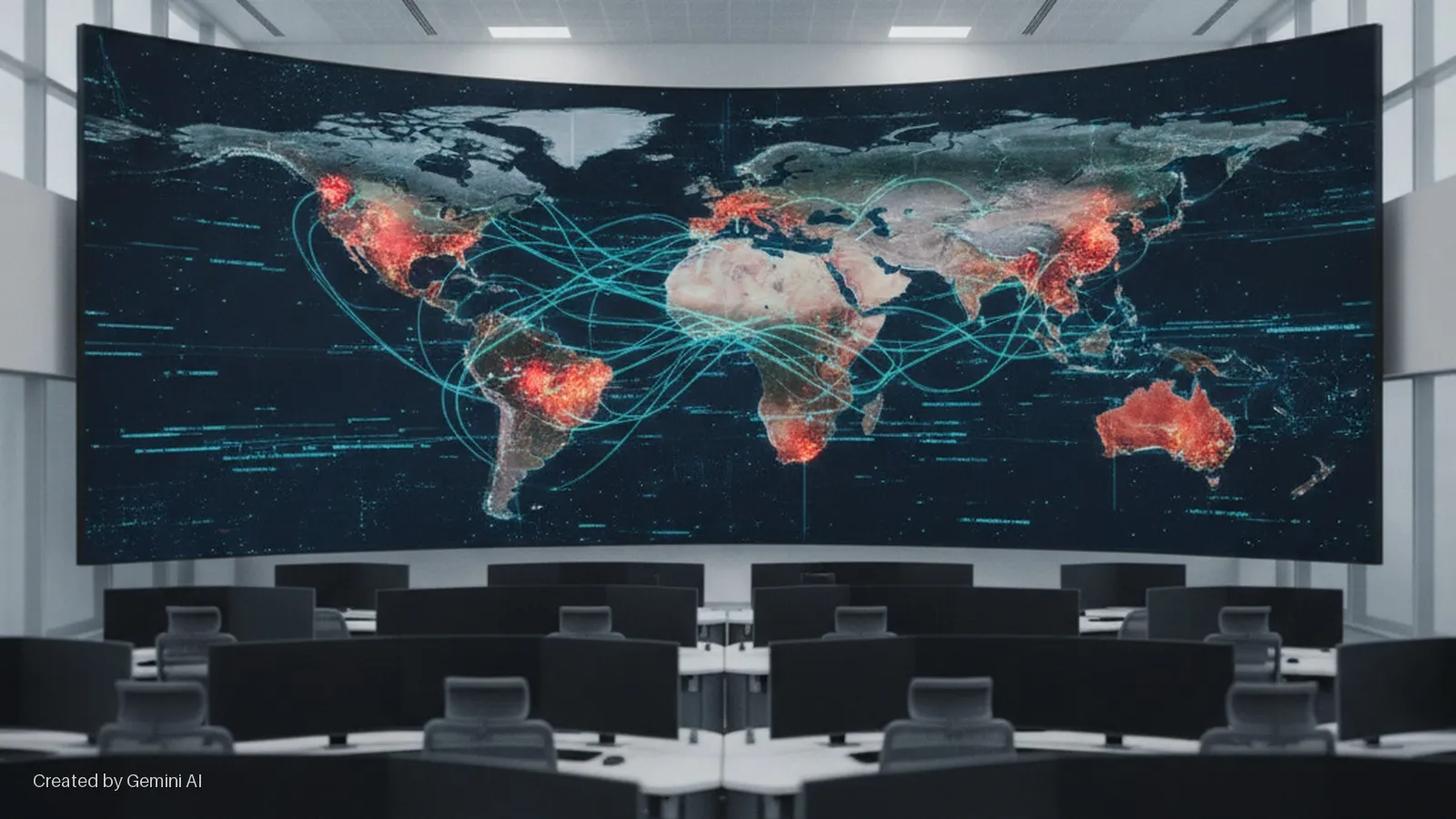
Cyble, the AI-native cybersecurity company, has signed a Memorandum of Understanding with the Cyber Security Council of the United Arab Emirates, formalising a collaboration centred on threat intelligence and early-warning capabilities for government and critical-infrastructure operators across the country.
The agreement, announced on 17 September 2026 in Abu Dhabi, gives the Council access to Cyble's flagship platform, Cyble Vision, which the company says is powered by its Blaze AI engine. The platform is positioned by Cyble as delivering automated detection and contextual analysis of ransomware, phishing, fraud, and other threat-actor activity relevant to national security priorities. The MOU does not carry a disclosed contract value or a defined performance framework, and the release does not specify which government agencies or critical-infrastructure sectors will be onboarded first.
Beenu Arora, chief executive and co-founder of Cyble, described the agreement as "a strategic validation of Cyble's capabilities at the national cybersecurity level and potentially a gateway to the UAE government and critical-infrastructure ecosystem." H.E. Dr. Mohamed Al Kuwaiti, Head of Cyber Security for the UAE, said the partnership reflected a shared commitment to "safeguarding the nation's digital infrastructure through advanced threat intelligence and proactive, intelligence-led defence."
Market context
The Middle East has become one of the most active regions for national-level cybersecurity investment. Saudi Arabia's National Cybersecurity Authority, Qatar's National Cyber Security Agency, and Bahrain's National Cyber Security Centre have all expanded threat-sharing frameworks and vendor partnerships over the past two years, driven by accelerating digitalisation of government services and rising frequency of state-linked intrusion campaigns against Gulf infrastructure.
For commercial threat-intelligence vendors, national-government MOUs carry significant strategic value beyond revenue: they confer credibility in competitive procurement cycles and can serve as references for adjacent public-sector opportunities. Cyble's primary competition in this segment includes established players such as Recorded Future, Mandiant (now part of Google Cloud) and Flashpoint, as well as regionally oriented firms pursuing similar government relationships in the Gulf Cooperation Council market.
Regulatory and standards read-across
The UAE has articulated a formal National Cybersecurity Strategy and in 2023 published updated Critical Information Infrastructure protection requirements that mandate continuous threat monitoring for designated operators. An MOU structured around early-warning and threat-actor visibility maps directly onto those obligations, which creates a plausible commercial pathway beyond the initial framework agreement.
From a data-sovereignty standpoint, threat intelligence shared between a US-headquartered vendor and a UAE federal authority will be subject to both UAE data-protection regulations and, depending on the classification of the information exchanged, potential US export-control considerations under the Bureau of Industry and Security's emerging-technology controls. Cyble has not stated whether Cyble Vision data processing occurs in-country or offshore.
The agreement marks a continuation of Cyble's stated strategy of deepening ties with government and regulatory bodies across the Middle East. Investors and analysts will look for a follow-on announcement that converts the MOU into a named contract, confirms deployment scope, and provides performance metrics for the Blaze AI detection pipeline.