
Exascale and Compal to build native 800 VDC data-centre validation rig
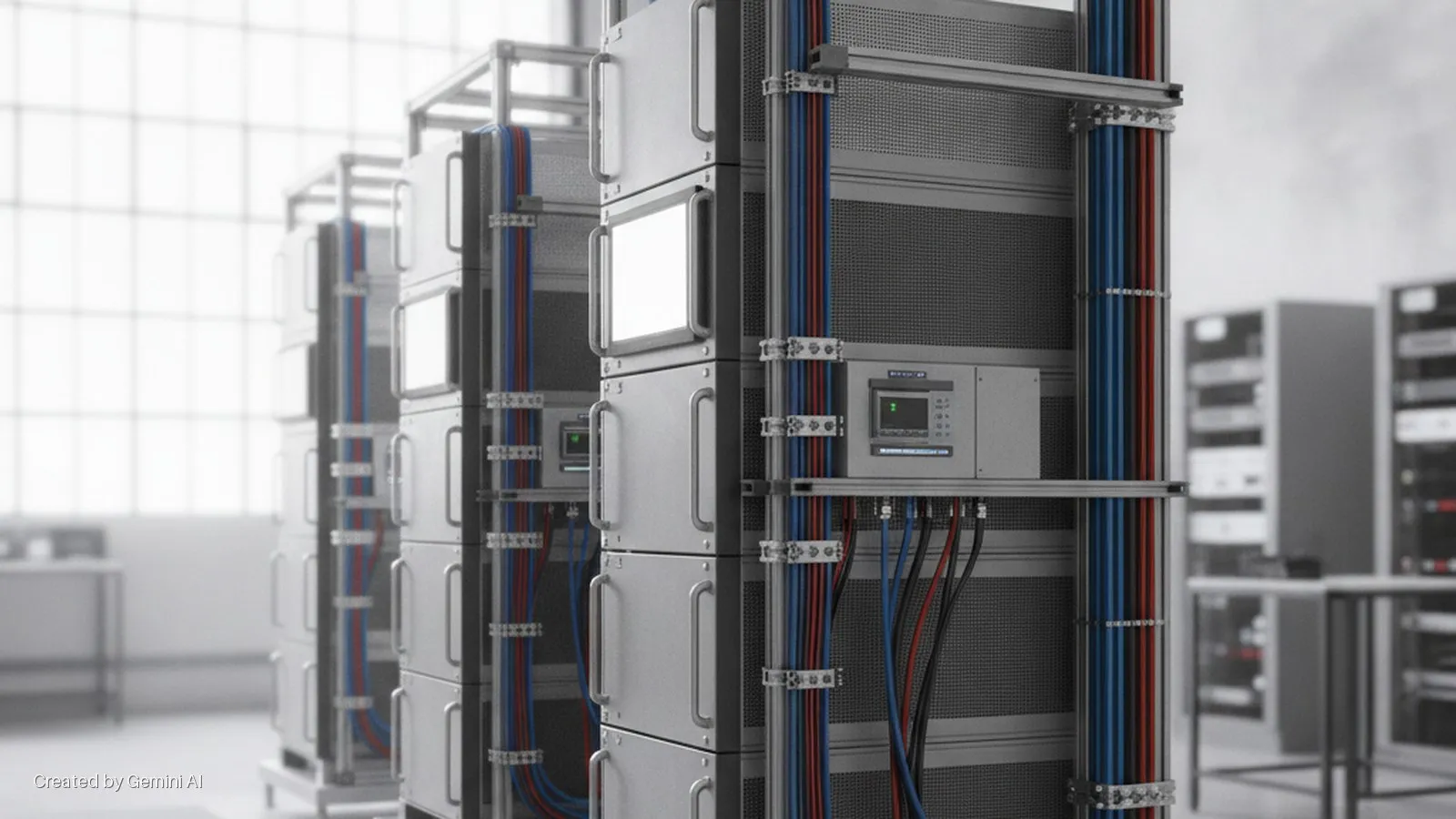
Exascale Labs Holdings (Nasdaq: XLAB) and Compal Electronics (TWSE: 2324) have signed a non-binding letter of intent to develop a production-grade validation platform built on a native 800-volt direct current (VDC) architecture, using Exascale's solid-state transformer (SST) technology. The platform, to be sited in the United States, is intended to test GPU compute systems across power, cooling, and software controls as a fully integrated stack.
Under the anticipated division of work, Compal will supply the US project site, GPU servers, and liquid cooling systems. Exascale will design the modular data centre (MDC) enclosure, the SST-based power architecture, and associated software, and will lead end-to-end deployment, commissioning, and testing. If acceptance testing is completed to both parties' satisfaction, Compal intends to acquire the Exascale-built portions of the platform, including SST systems, power distribution equipment, modular data centre facilities, and software licences. Final purchase price and closing conditions have not been set; those terms are subject to a definitive agreement that has not yet been signed.
Why 800 VDC matters
The data centre power architecture debate has intensified as GPU rack densities climb. Conventional AC-coupled power trains require multiple conversion stages, each adding loss, heat, and physical bulk. Native high-voltage DC distribution, sometimes called HVDC or, in this context, 800 VDC, eliminates several of those conversion steps and reduces cabling complexity, potentially improving power usage effectiveness at the rack and row level.
Chief executive Hoansoo Lee said the goal was to validate native 800 VDC "across a complete data center system," and that integrating Compal's servers and cooling alongside Exascale's SST power was "an important step toward commercial deployment." Alan Chang, VP and GM of Compal's Intelligent System Business Group, described 800 VDC as a system-level challenge rather than a simple input change: "Power, compute, and cooling all have to work as one system."
The platform is also intended to support the UL certification process for SST operational availability in a data-centre-grade environment, and to provide a shared testing environment for upstream and downstream ecosystem partners.
Market and standards context
The push toward higher-voltage DC distribution is gaining momentum across the hyperscaler and co-location sectors, driven by the power demands of GPU clusters used for AI training and inference. Several industry bodies, including the Open Compute Project and IEC technical committees, have active working groups on HVDC data centre architectures, though a single dominant standard has not yet emerged.
Compal is a Forbes Global 2000 contract manufacturer with existing cloud-server and liquid-cooling capabilities, making it a credible integration partner for this kind of end-to-end validation work. For Exascale, a smaller Nasdaq-listed infrastructure provider, a strategic relationship with a Taiwanese ODM of Compal's scale offers both component access and commercial credibility as the company pursues GPU-as-a-service and modular data centre revenues.
The letter of intent is explicitly non-binding. No timeline for completing the validation platform, no purchase price, and no committed customer deployments were disclosed in the release. Investors will be watching for a definitive agreement, a UL certification milestone, and the first named customer deploying 800 VDC infrastructure as the key signals that the partnership is translating from validation into commercial revenue.