
MN8, Google and Eos Energy deploy 256 MWh storage in West Virginia
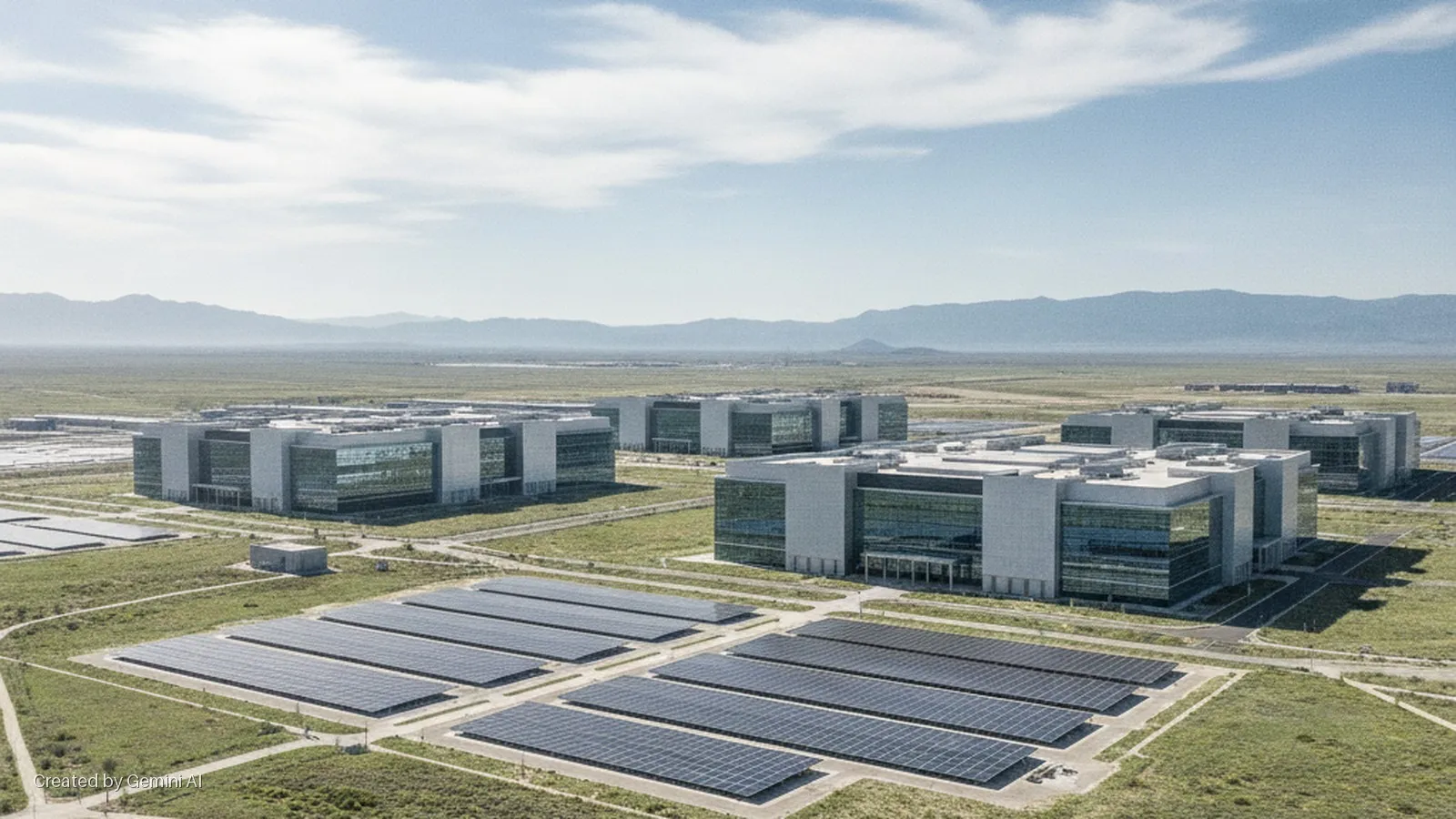
MN8 Energy, Google and Eos Energy Enterprises have announced a collaboration to deliver a mixed-technology clean energy portfolio to the PJM interconnection in West Virginia, targeting around-the-clock dispatchable power for Google's data centre operations in the region.
The project, owned and operated by MN8, combines 86 MW of utility-scale solar, 70 MW/280 MWh of lithium-ion battery storage, and 10 MW/100 MWh of Eos' Z3 zinc-based long-duration energy storage (LDES). The solar component is expected to reach commercial operation in 2028, with lithium-ion storage following in 2029 and the LDES system operational by 2030. Under the power purchase agreement, Google will buy the energy output, capacity, and clean energy certificates from the full portfolio.
The project is sited on a reclaimed coal mine in Kanawha County and, according to MN8's estimates, represents up to $350 million in capital investment. The company projects approximately $4 million in property tax revenue for the county and local schools over the first 20 years of operation, and expects construction to support around 200 jobs.
The deal
The announcement marks two firsts: the first commercial-scale LDES deployment in West Virginia, and the first project under the previously disclosed MN8-Eos Master Supply Agreement. It is also Google's first deployment of Eos' Z3 technology.
The Z3 system is designed to provide ten hours of storage using an aqueous zinc chemistry that Eos positions as non-flammable and built from widely available materials, in contrast to lithium-ion chemistries. Nathan Kroeker, Chief Commercial Officer at Eos, said the technology "extends the value of clean generation across more hours" and strengthens dispatchability for the combined portfolio.
Jon Yoder, President and CEO of MN8 Energy, said the project demonstrated the ability to "engineer proven and emerging technologies into one dispatchable resource." Google Director for Advanced Energy Technologies Lucia Tian framed the collaboration as serving both the company's data centre capacity needs and its broader commitment to advancing LDES commercialisation.
Market context
The deal is a concrete example of the accelerating intersection between hyperscaler power procurement and grid-scale storage deployment. Google, Microsoft and Amazon have each announced multi-gigawatt clean energy commitments tied to data centre growth, and all three are increasingly moving beyond standard power purchase agreements toward bespoke, mixed-technology solutions that can match the continuous, high-density load profiles of AI infrastructure.
Long-duration energy storage remains an early-commercial category. Most deployed capacity globally is lithium-ion, which typically offers two to four hours of storage. Technologies targeting eight hours and beyond, including zinc-based, iron-air and flow-battery chemistries, are competing for offtake agreements that can demonstrate bankability at commercial scale. A ten-hour, 100 MWh zinc system backed by a Google offtake is a meaningful reference for the sector, even if the project does not reach commercial operation until 2030.
The PJM interconnection, which serves thirteen US states and Washington DC, has faced capacity tightening as older thermal generation retires faster than new resources are added. Regulators and grid operators have signalled that new dispatchable capacity, whether from storage or firm generation, will attract a premium in capacity markets. Projects that can offer both energy and capacity value are better positioned to clear PJM's capacity auctions, which adds a commercial incentive layer beyond the corporate renewable energy procurement rationale.
Eos is a NASDAQ-listed company (EOSE) and has not disclosed revenue or backlog figures in this release. Investors will watch for confirmation of construction financing and interconnection approvals as the project progresses toward its 2028 solar commercial operation date.