
Kratos delivers turbomachinery for Lockheed Martin ramjet programme
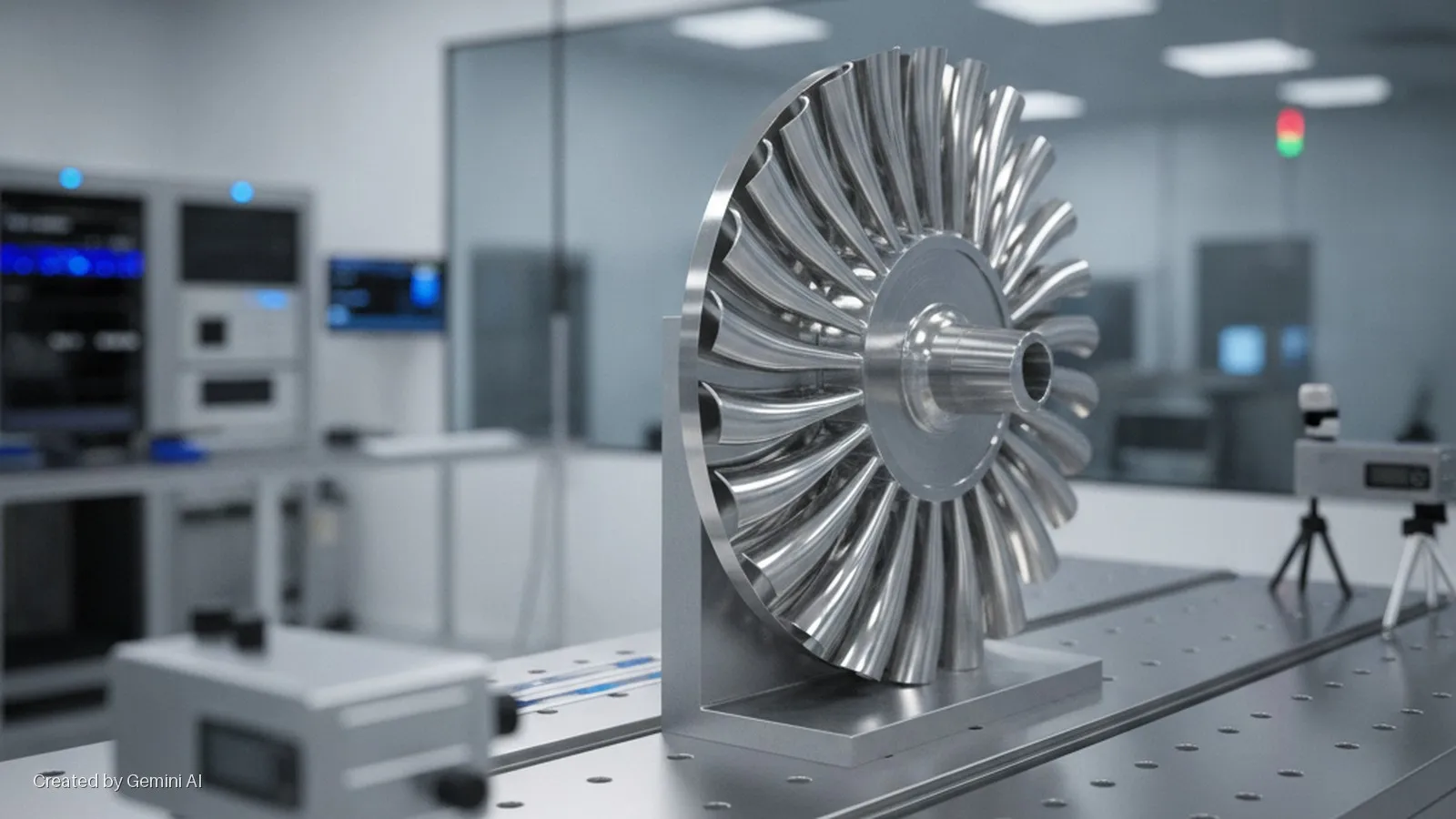
Kratos Defense & Security Solutions has announced the successful development, testing and delivery of a turbomachinery component supporting Lockheed Martin's advanced ramjet propulsion programme. The San Diego-based defence technology company said the component was validated through a standalone test campaign before integration, with representatives from Lockheed Martin and the US Army's Aviation and Missile Center witnessing the integrated propulsion system test.
The component is described by Kratos as a compact, self-regulating design that harvests ram air energy to support propulsion system operations. The company says the solution offers a superior size-to-weight ratio compared with alternative approaches, contributing to what the programme characterises as affordability and performance objectives. The validated propulsion system is now reported to be ready to advance toward flight testing and to support near-term fielding plans, though no specific timeline or programme name was disclosed.
Programme significance
Stacey Rock, president of Kratos Turbine Technologies, said the work "represents a cornerstone of our long-term strategic initiatives" and reflects the company's stated philosophy of rapid development in partnership with prime integrators. Kratos positions affordability as a core engineering discipline rather than an afterthought, funding much of its propulsion research internally rather than relying solely on government development contracts. That model is increasingly attractive to the US Department of Defense, which has signalled a preference for commercially funded innovation to compress acquisition timelines.
The ramjet technology context matters here. Ramjet and scramjet propulsion have moved from niche research into active procurement competition as the US military pursues hypersonic and extended-range strike capabilities. Several allied nations are pursuing comparable programmes, and the US Army's Aviation and Missile Center has multiple concurrent advanced propulsion efforts. Kratos sits in the sub-system supplier tier for this class of work, partnering with large primes rather than competing for prime contracts directly, which limits its programme revenue exposure but provides a measure of pipeline stability.
Market and competitive context
Kratos is one of a small group of US independent turbomachinery and propulsion specialists with internally funded capability development. Competitors in the defence propulsion sub-system space include Williams International, Aerojet Rocketdyne (now part of L3Harris) and a handful of smaller engineering firms. The broader advanced propulsion market is consolidating as prime contractors seek to lock in validated sub-system suppliers earlier in development cycles, partly in response to supply-chain vulnerabilities exposed during recent conflict resupply demands.
Export-control considerations are relevant for any hypersonic or advanced missile propulsion technology. Components validated for US Army missile programmes are subject to International Traffic in Arms Regulations (ITAR) controls, which constrain both the international commercial opportunity and any future partner-nation transfer arrangements. Kratos did not address export or foreign military sales potential in its release.
The company continues to invest in infrastructure and product development across its turbomachinery family, signalling an intent to build a broader catalogue of propulsion sub-systems rather than treating this programme as a one-off. Investors will be watching for further named programme wins and for any indication of production contract value as the missile advances toward fielding.