
RS South Africa to stock NVIDIA Jetson Orin Nano 2 edge AI module
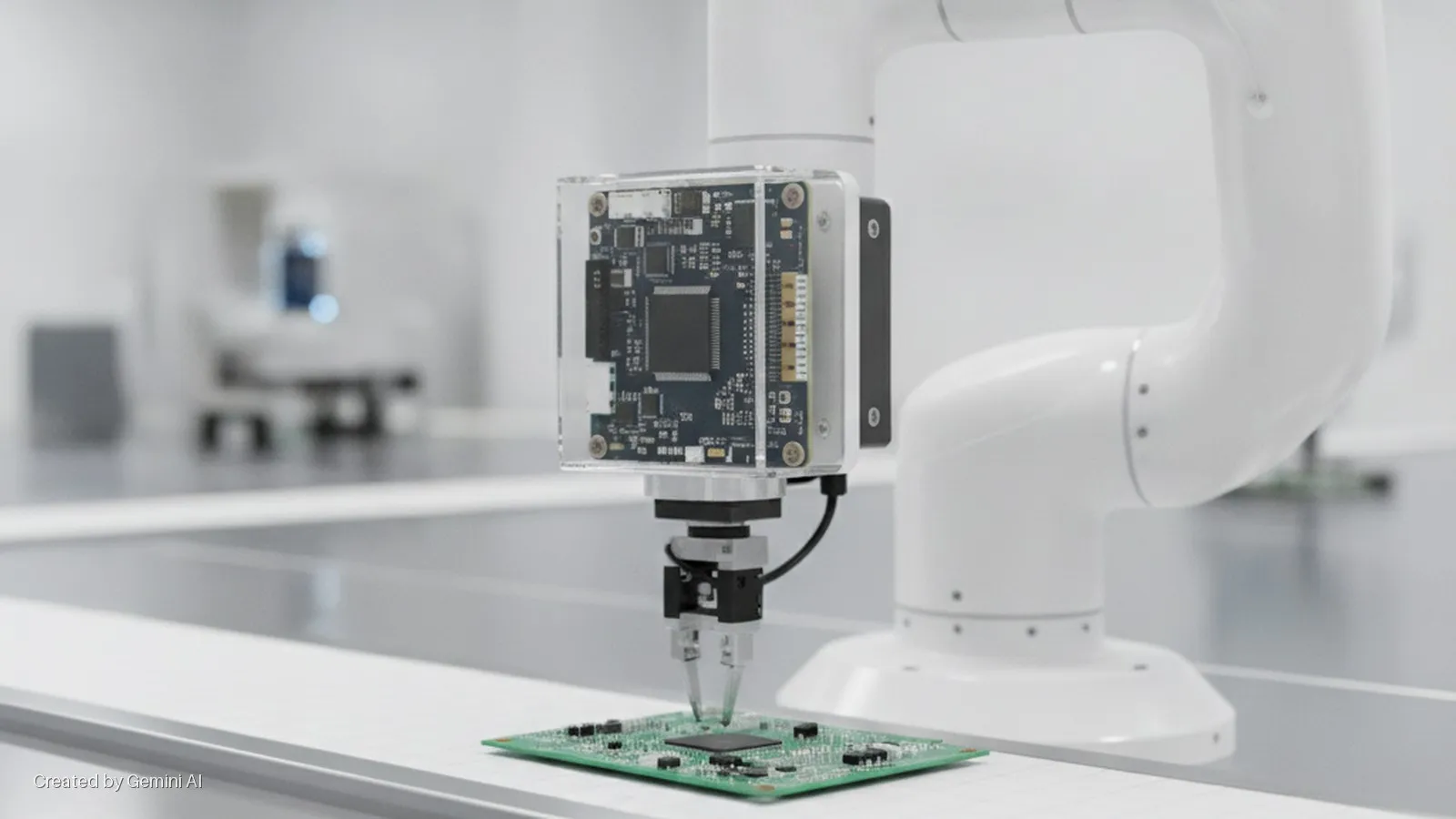
RS South Africa has confirmed it will support and distribute the NVIDIA Jetson Orin Nano 2, an entry-level edge AI compute module designed for robotics, inspection drones and vision AI workloads. The module is expected to become available in the first half of 2027, with early ordering details to follow through RS and its DesignSpark developer platform.
The Jetson Orin Nano 2 is rated at 78 TOPS of AI compute and packs 8 GB of memory alongside an eight-core Arm CPU, all within a 40 W power envelope. NVIDIA claims the module delivers twice the inference throughput of its predecessor, the Jetson Orin Nano Super, while consuming 40% less power at equivalent workloads. The figures have not been independently benchmarked in the source materials, though they are consistent with the incremental generational improvements typical of this product line. The module runs NVIDIA's Jetson software stack and is compatible with the broader NVIDIA AI ecosystem, meaning developers can port existing Jetson applications without a full rewrite.
The distribution play
RS is a global industrial distributor listed on the London Stock Exchange, reporting revenue of £2,881 million for the year ended March 2026. Its South African operation forms part of a wider 33-market footprint, and its relationship with NVIDIA on the Jetson line dates to the original Orin Nano launch in 2023. The distributor's role here is logistics and local technical support rather than integration or software development, a distinction worth noting for enterprise buyers deciding between distribution channels and direct hyperscaler routes.
Erick Wessels, Sales Director at RS South Africa, said: "As South African businesses increasingly explore how AI, robotics and automation can improve the way industrial systems operate, access to capable edge computing platforms will become increasingly important."
The company has not published pricing for the South African market, nor named any industrial customer expected to pilot the module ahead of its commercial availability.
Market and regulatory context
The wider edge AI module market is growing quickly, with Qualcomm's Robotics RB series, Intel's OpenVINO-compatible hardware, and Raspberry Pi's AI-accelerated compute boards all competing for developer attention at price points below dedicated server-class GPU hardware. NVIDIA's Jetson line retains a strong incumbent position in robotics and industrial vision owing to its CUDA ecosystem and extensive third-party model library, but buyers are increasingly sensitive to per-unit cost and supply-chain resilience.
South Africa's National Development Plan and associated digital economy strategies have drawn attention to automation in mining, agriculture and logistics as priority sectors, which maps to the stated industrial and engineering use cases in this announcement. There is no specific national certification or regulatory requirement governing edge AI hardware in South Africa at present, though multinational customers deploying across Europe will need to consider the EU AI Act's obligations for AI systems embedded in physical machinery, which are phased in from 2026 onwards.
For developers in the region, the 2027 availability window is a practical consideration. The global supply of advanced-node SoCs remains constrained in some configurations, and NVIDIA's allocation policies for distribution partners have historically affected in-region launch timing. RS has not disclosed its initial stock commitment or lead times.