
Kaleris acquires Newport Systems to unify intermodal M&R software
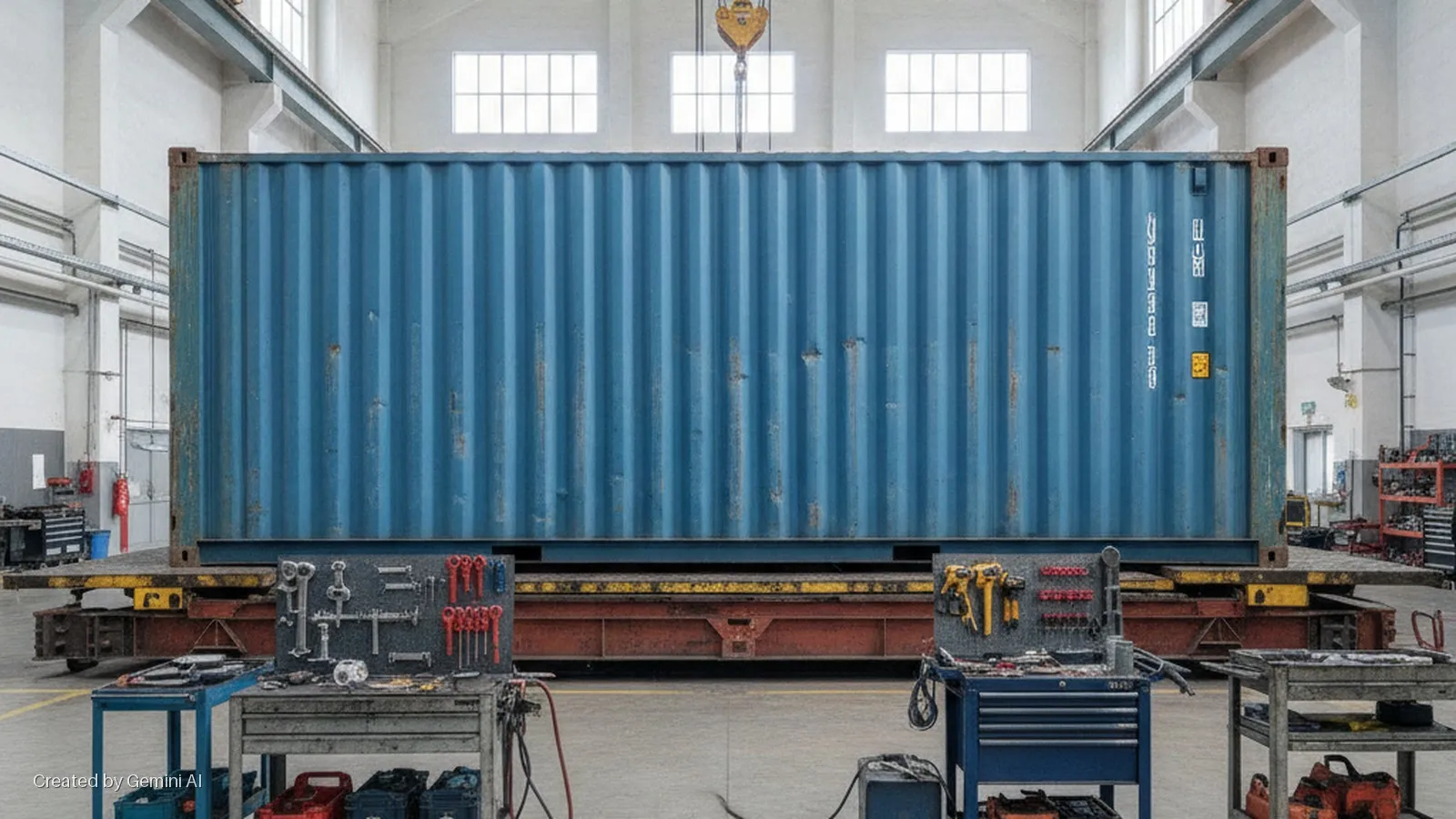
Kaleris, an Atlanta-based supply chain execution software vendor, has acquired Newport Systems Inc. (NSI), a specialist in maintenance and repair (M&R) and depot management software for marine terminals and container depots. The deal, announced on 3 September 2026, is intended to close the automation gap in one of logistics' most manual workflows: the multi-party exchange of estimates, approvals and invoices between equipment owners and repair providers.
Newport brings 25 live EDI integrations with shipping lines, leasing companies and equipment owners, built over more than two decades of industry relationships. Kaleris said the combined platform will cover the full intermodal asset range, including containers, chassis, reefers, gensets and railcars, under a single M&R operating model. No acquisition price was disclosed.
The deal
Kirk Knauff, President and CEO of Kaleris, framed the acquisition as a structural fix for value leakage across every node in global trade. "Newport lets us close that gap. We are automating the connection between the people who own the equipment and the people who repair it, replacing manual processes with work the system can carry," he said.
Bob Morton, President of Newport Systems, added that customers had long asked for broader ecosystem connectivity. "Kaleris gives us the reach and the platform to do that across more equipment types, more sites and more of the supply chain than we could have reached on our own."
Beyond workflow automation, Kaleris highlighted the dataset the combined platform will generate: cross-network visibility of asset condition, repair history, cost and cycle time. The company says this operational data layer will eventually support predictive maintenance, automated routing to repair providers and rules-based approval management, with AI acting as a "copilot" to guide users through complex decisions.
Market context
The intermodal software market has been consolidating steadily, driven by shipper demand for fewer integration points and greater visibility across terminal, yard and depot operations. Kaleris already serves more than 680 customers across 105 countries with yard and transportation management, terminal operations and ocean shipping software. Adding M&R closes a gap that competitors in the adjacent transportation management system (TMS) and terminal operating system (TOS) categories have largely addressed through point integrations rather than a native platform.
Newport's proprietary EDI network is the key strategic asset here. Replicating 25 live carrier and equipment-owner integrations built over 20 years represents a meaningful barrier to entry for any rival attempting to assemble a comparable M&R capability organically. That structural moat, rather than the software functionality alone, is likely what justified the acquisition premium, even if Kaleris has not disclosed the financial terms.
Standards and regulatory read-across
Global supply chain software is increasingly subject to data-sharing mandates from port authorities and customs agencies, particularly in the EU under the Maritime Single Window regulation, which requires standardised vessel and cargo reporting. An integrated M&R dataset covering asset condition and repair history could also intersect with emerging sustainability reporting obligations: the EU's Corporate Sustainability Reporting Directive (CSRD) requires large companies to disclose Scope 3 emissions data, and equipment utilisation and idle-time metrics are relevant inputs to freight-related emissions calculations.
Kaleris will need to demonstrate that its combined platform meets the data-residency and security requirements of its global customer base, many of whom operate in regulated port environments. No detail on compliance certifications was included in the release.
The next milestones to watch are a named customer win on the integrated platform and the publication of concrete automation metrics, such as reduction in asset idle time or cycle-time improvements, that would validate the predictive intelligence ambitions Knauff outlined.